 18 citations
,
May 2016 in “Aesthetic Surgery Journal”
18 citations
,
May 2016 in “Aesthetic Surgery Journal” Body hair transplantation is an effective method for restoring hair in people with severe baldness and limited scalp donor hair.

Managing oxidative stress and inflammation is crucial for better hair transplant results.
 21 citations
,
September 1979 in “Archives of Otolaryngology-head & Neck Surgery”
21 citations
,
September 1979 in “Archives of Otolaryngology-head & Neck Surgery” The Juri flap procedure is effective for hair transplantation but requires careful patient selection and skilled surgeons.
 June 2020 in “Applied sciences”
 A new semi-automatic hair implanter could make hair transplants easier, more successful, and more accessible.
 9 citations
,
November 2013 in “Dermatologic Surgery”
9 citations
,
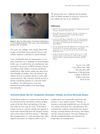
November 2013 in “Dermatologic Surgery” Hair transplant complications were likely due to deep graft placement and rough handling.
January 2017 in “Revista Brasileira de Cirurgia Plástica” Beard transplantation boosts self-esteem by improving beard appearance.
 1 citations
,
May 2018 in “Hair transplant forum international”
1 citations
,
May 2018 in “Hair transplant forum international” Hair transplant techniques and scalp micropigmentation can effectively hide scars and hair loss after cranial surgery.
 18 citations
,
December 2014 in “Plastic surgery”
18 citations
,
December 2014 in “Plastic surgery” Follicular Unit Transplantation is an effective and safe treatment for hair loss due to scarring.
2 citations
,
December 2024 in “JPRAS Open” Scalp skin is a good option for skin grafts, healing well with proper care.
January 2003 in “Jiepouxue zazhi” HHK can help restore skin structure.
 15 citations
,
January 2016 in “Journal of cell science & therapy”
15 citations
,
January 2016 in “Journal of cell science & therapy” Using a patient's own tissue for micro-grafts may effectively treat non-healing leg ulcers and relieve pain.
September 2018 in “Dermatologic Surgery” 
New techniques make hair transplants look more natural.
 8 citations
,
February 2016 in “The American Journal of Dermatopathology”
8 citations
,
February 2016 in “The American Journal of Dermatopathology” Hair transplants can make hair follicles larger and hair shafts thicker.
 January 1994 in “Hair transplant forum international”
 Scalp-reduction surgery can improve the area for hair transplants.
October 2025 in “Dermatologic Surgery” Twisted hair follicles can survive transplantation as well as intact ones.
 August 2004 in “Journal of the American College of Surgeons”
 Dermagraft and Dermalogen had a lot of granulation, while Alloderm, Integra, and ADM had good blood vessel growth for skin healing.
 5 citations
,
March 1985 in “Head & Neck Surgery”
5 citations
,
March 1985 in “Head & Neck Surgery” Combining scalp reduction and hair transplants improves coverage and appearance for male baldness.
September 2023 in “Journal of the American Academy of Dermatology” Combining robotic and specialized tools improves hair transplant results.
55 citations
,
July 2020 in “International Wound Journal” Fat grafting and PRP are safe for diabetic foot ulcers, but no significant healing differences were found.
2 citations
,
March 2006 in “International Society of Hair Restoration Surgery” Transplanted hair keeps growing like the donor hair, even in bald areas.
 2 citations
,
June 2020 in “Dermatologic Surgery”
2 citations
,
June 2020 in “Dermatologic Surgery” Fat grafting before hair transplant may improve hair growth in scarring alopecia.
3 citations
,
April 2017 in “Zahedan Journal of Research in Medical Sciences” Almost all kidney transplant patients had complications from immunosuppressive therapy, with excessive hair growth being the most common.
September 2025 in “PubMed” Regenerative hair transplant improves hair growth and quality using stem cells.
 May 2018 in “European Journal of Dermatology”
 Adjusting the medication tacrolimus resolved a boy's red nail beds after a stem cell transplant.
1 citations
,
December 2024 in “Journal of Maxillofacial and Oral Surgery” FUE is better than FUT for mustache reconstruction in cleft lip patients.
 April 2023 in “Authorea (Authorea)”
 Hair transplantation can improve scars after removing a rare skin cancer.
 June 2026 in “Journal of Cutaneous and Aesthetic Surgery”
 Recipient site scalp necrosis in hair transplantation is linked to microvascular injury and regional vascular vulnerability, especially in the frontal and mid-scalp areas.

Local flaps are effective for covering small to large scalp and forehead defects with good cosmetic results.
 September 2021 in “PubMed”
 Hair transplantation is effective for treating scar-related hair loss on the head and neck.