August 2025 in “International Journal of Molecular Sciences” AVT is highly conserved and may have antimicrobial properties.
May 2018 in “Dermatologic Surgery”  40 citations
,
March 2018 in “Aesthetic Surgery Journal”
40 citations
,
March 2018 in “Aesthetic Surgery Journal” New treatment combining PRP and SVF increases hair density in 6-12 weeks for androgenetic alopecia patients.
 8 citations
,
December 1996 in “Dermatologic Surgery”
8 citations
,
December 1996 in “Dermatologic Surgery” Both ASR I and ASR II are effective scalp reduction techniques, with ASR I creating finer scars and ASR II removing more bald area and reducing stretch-back.
 1 citations
,
January 2017 in “SAGE Open Medical Case Reports”
1 citations
,
January 2017 in “SAGE Open Medical Case Reports” A woman's hair loss condition got worse after her varicose vein treatment with a specific foam.
 2 citations
,
January 2016 in “Springer eBooks”
2 citations
,
January 2016 in “Springer eBooks” Fat tissue stem cells show promise for repairing different body tissues and are being tested in clinical trials.
 April 2026 in “Zenodo (CERN European Organization for Nuclear Research)”
 The model improves understanding of androgen interactions by focusing on signal intensity and system capacity.
19 citations
,
October 2023 in “Bioengineering” tSVF is effective for treating inflammation-related conditions, with centrifugation being the best method for isolation.
 7 citations
,
April 2021 in “Journal of The American Academy of Dermatology”
7 citations
,
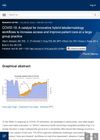
April 2021 in “Journal of The American Academy of Dermatology” A new teledermatology system improved access and reduced wait times for skin care.

Processed fat, SVF, and PRP are safe and effective for facial rejuvenation and hair growth.
 11 citations
,
June 2018 in “Sexual medicine reviews”
11 citations
,
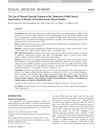
June 2018 in “Sexual medicine reviews” Stromal Vascular Fraction might help with male sexual dysfunction, but more research is needed to confirm its safety and effectiveness.
11 citations
,
August 2023 in “Regenerative Therapy” SVF is safe and effective, but research quality is low; new guidelines are proposed to improve future studies.
 11 citations
,
October 2021 in “Stem Cell Research & Therapy”
11 citations
,
October 2021 in “Stem Cell Research & Therapy” Hair follicle stem cells reduced hair loss and inflammation in mice with a condition similar to human alopecia.
July 2026 in “Journal of the American Academy of Dermatology” May 2024 in “Clinical and experimental optometry”  April 2026 in “Zenodo (CERN European Organization for Nuclear Research)”
 The model improves understanding of androgen interactions by focusing on signal intensity and system capacity.
November 2005 in “The Journal of Urology” August 2023 in “Journal of Investigative Dermatology” Dutasteride may help treat frontal fibrosing alopecia.
387 citations
,
May 2019 in “International Journal of Molecular Sciences” Adipose-derived stem cells are promising for regenerative medicine due to their accessibility, versatility, and low risk of immune rejection.
Autologous Regenerative Therapy may improve hair restoration by using stem cells from fat.
 April 2024 in “Skin research and technology”
 Adding stromal vascular fraction to platelet-rich plasma injections did not significantly improve hair growth in androgenetic alopecia treatment.
RCVS should be considered in thunderclap headaches, and MRA and DSA are better for diagnosis than CT angiogram.
 September 2016 in “Springer eBooks”
 Fat-derived stem cells may help treat skin aging and hair loss.
February 2025 in “Journal of the European Academy of Dermatology and Venereology” UVFD helps detect hair follicles in alopecia areata better than traditional methods.
 20 citations
,
September 2019 in “Journal of Cosmetic Dermatology”
20 citations
,
September 2019 in “Journal of Cosmetic Dermatology” SVF-PRP therapy effectively reverses hair loss effects.
May 2021 in “F1000Research” The treatment led to denser, thicker hair growth and less hair loss.
3 citations
,
August 2025 in “Stem Cell Research & Therapy” Adipose-derived stem cells show promise in treating hair loss by promoting hair regrowth and improving hair follicle function.
January 2021 in “European Journal of Molecular & Clinical Medicine”  February 2025 in “International Journal of Cosmetic Science”
 A new amino acid derivative, ATS, improves hair texture and moisture, making it easier to straighten curly hair.