February 2021 in “International journal of regenerative medicine” A new method using fat tissue cells may help treat hair loss.
July 2017 in “DOAJ (DOAJ: Directory of Open Access Journals)” SVF-enhanced fat injections may effectively treat baldness by promoting hair growth.
March 2026 in “Journal of the European Academy of Dermatology and Venereology” VESALT improves alopecia areata assessment by including non-scalp areas and is reliable and user-friendly.
 25 citations
,
May 2020 in “Aesthetic Surgery Journal”
25 citations
,
May 2020 in “Aesthetic Surgery Journal” The regenerative solution, tSVF, is a safe and effective treatment for various conditions like aged skin, scars, wounds, and more, but more research is needed to find the best way to use it.
 March 2026 in “Frontiers in Cell and Developmental Biology”
 Autologous cell-based therapies, especially SVF, effectively and safely improve atrophic acne scars.
36 citations
,
July 2022 in “Stem Cell Research & Therapy” SVF may improve nanofat treatment for acne scars, but more research is needed.
19 citations
,
April 2021 in “Stem Cell Research & Therapy” SVF cell transplantation improves skin regeneration safely.
19 citations
,
August 2019 in “Journal of Cellular Biochemistry” ADSCs help protect skin from UV damage and aging.
 October 2023 in “The Journal of Dermatology”
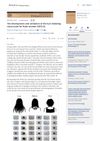
 The HSVS-A is an effective tool for quickly screening hair shedding in Asian women.
 11 citations
,
August 2018 in “Facial Plastic Surgery Clinics of North America”
11 citations
,
August 2018 in “Facial Plastic Surgery Clinics of North America” Adipose-derived stem cells show potential for skin rejuvenation and wound healing but require more research to overcome challenges and ensure safety.
 March 2020 in “QJM: An International Journal of Medicine”
 SVF and PRP improve hair loss, but SVF causes more side effects.
 February 2023 in “Indian Journal of Postgraduate Dermatology”
 The IADVL offers residents grants, scholarships, training, and learning resources for academic growth.
December 2020 in “American Journal of Transplantation” Early recognition and treatment of VATS in transplant patients improve outcomes.
October 2021 in “QJM: An International Journal of Medicine” ADSC injections improve hair density, thickness, and reduce inflammation in female pattern hair loss.
 7 citations
,
June 2022 in “Frontiers in Medicine”
7 citations
,
June 2022 in “Frontiers in Medicine” ADSC-derived extracellular vesicles show promise for skin and hair regeneration and wound healing.
March 2022 in “Al-Azhar International Medical Journal (Print)” SVF treatment is more effective than Nanofat for hair growth.
191 citations
,
November 2007 in “Journal of Biological Chemistry” Very-long-chain acyl-CoA synthetases and fatty acid transport proteins play key roles in fatty acid metabolism and lipid processing in different tissues.
23 citations
,
November 2019 in “International Journal of Molecular Sciences” Adipose-derived stem cells can help repair tissue in lipodystrophy patients.
90 citations
,
July 2020 in “Stem Cell Research & Therapy” Stem cell vesicles can reduce skin aging from UVB by lowering inflammation and oxidative stress.
 33 citations
,
August 2013 in “British Journal of Dermatology”
33 citations
,
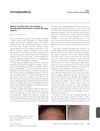
August 2013 in “British Journal of Dermatology” Lack of small, fine hair on the front hairline is a key sign of frontal fibrosing alopecia.
 May 2015 in “Hair transplant forum international”
 The American Society of Hair Restoration Surgery (ASHRS) is a group focused on improving hair restoration methods.
 25 citations
,
May 2020 in “Stem Cells Translational Medicine”
25 citations
,
May 2020 in “Stem Cells Translational Medicine” ADSC-CE treatment safely increases hair density and thickness in androgenetic alopecia patients.
113 citations
,
July 2020 in “International Journal of Molecular Sciences” Allogenic ASCs and ECM transplants are safe and effective for tissue regeneration.
October 2021 in “European urology open science”  12 citations
,
July 2011 in “European Journal of Dermatology”
12 citations
,
July 2011 in “European Journal of Dermatology” The VSCAPSI is a helpful method for evaluating the severity of scalp psoriasis.
 September 2023 in “International Journal of Trichology”
 Adipose-derived stem cells may help with hair loss, but more research is needed.
 3 citations
,
December 2020 in “Journal of the turkish academy of dermatology”
3 citations
,
December 2020 in “Journal of the turkish academy of dermatology” Stromal Vascular Fraction treatment increases hair density and thickness, making it a safe and effective treatment for Androgenetic Alopecia.
 September 2023 in “Bangladesh Journal of Neurosurgery”
 Stereotactic Radiosurgery is an effective non-invasive treatment for cerebral AVM, with successful outcomes and minimal side effects.
 June 2026 in “Journal of Sulaimani Medical College”
 Adipose-derived stem cell exosomes are more effective and satisfying for treating hair loss than minoxidil.
August 2022 in “Regenerative Medicine” Adipose-derived stem cells show promise for cosmetic treatments but need more research.