
An automated system can accurately classify hair disorders using image analysis.
April 2026 in “Journal of Cosmetic Dermatology” Hair growth supplements show promise, but more research is needed.
TSH levels are similar across nonscarring alopecia types, with unclear racial differences.
 March 2026 in “Obesity Surgery”
 Hair loss after surgery is temporary and linked to iron deficiency, needing nutritional monitoring.
 March 2026 in “Preprints.org”
 The combined stem cell secretome in the skin care product effectively reduces inflammation and promotes tissue regeneration.

PRP may help with female hair loss short-term, but more research is needed for best results.
 March 2026 in “Pharmaceuticals”
 Xiaoban Kangfu capsules contain compounds that may help with antioxidants, reducing inflammation, and promoting hair growth.
 March 2026 in “International Journal of Advanced Biochemistry Research”
 German shepherd hair varies in color and pattern but is flat with a consistent internal structure.

BLTP1 and KIF27 gene mutations can help breed better wool sheep.
 February 2026 in “Cureus”
 Combination therapy is better for long-term control and outcomes in type 2 diabetes.
 February 2026 in “Frontiers in Medicine”
 Fibrosing alopecia starts earlier in Latin American men and often looks like common male pattern baldness.
 February 2026 in “Molecules”
 A new method can quickly and accurately measure tobacco exposure and stress using a small hair sample.
 February 2026 in “Bioengineering”
 EV-based therapies are advancing but need to overcome challenges for full potential.
 February 2026 in “JOURNAL OF CLINICAL AND DIAGNOSTIC RESEARCH”
 Trichoscopy effectively detects early hair follicle changes before visible baldness in men under 40.
January 2026 in “Veterinary Sciences” Skin maturation in Dezhou donkey foals involves better barrier function, hair growth, and less collagen production.
 January 2026 in “Zenodo (CERN European Organization for Nuclear Research)”
 The polyherbal shampoo effectively treats dandruff and is a safe, natural option.
 January 2026 in “Zenodo (CERN European Organization for Nuclear Research)”
 The polyherbal shampoo effectively treats dandruff and is a safe, natural option.
Oral tofacitinib effectively treats alopecia areata long-term with manageable side effects.
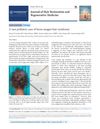
Loose anagen hair syndrome in children may improve with age, but treatment results vary.
 January 2026 in “International Journal of Women s Health”
 A new model helps predict treatment success in girls with early puberty.
PRP therapy is promising for hair loss but needs standardized methods and personalization.
January 2026 in “Open Science Framework” Standardized procedures are needed for accurate hair cortisol analysis.
January 2026 in “Dermatologic Therapy” Pinus massoniana needles extract may help treat hair loss by promoting hair growth and reducing oxidative stress.
January 2026 in “Saudi Journal of Internal Medicine” More research is needed to confirm the best treatments for ophiasis-pattern alopecia areata in different age groups.
 December 2025 in “International Journal of Newgen Research in Pharmacy & Healthcare”
 Global standardization and stricter regulations are needed for safer herbal hair products and better international trade.
 December 2025 in “International Journal For Multidisciplinary Research”
 Microscopic hair analysis is important in forensics but has limitations; new technologies are improving its accuracy.
December 2025 in “Agriculture” Sansevieria and Dracaena are evolutionarily linked, and a specific gene marker can distinguish closely related species.
 December 2025 in “Obesity Surgery”
 One-anastomosis gastric bypass leads to lower zinc levels and more symptoms than sleeve gastrectomy.
 December 2025 in “Frontiers in Veterinary Science”
 Liaoning cashmere goats grow more cashmere by boosting fat production, supporting hair structure, and controlling inflammation.
 December 2025 in “Reports of Vinnytsia National Medical University”
 Alopecia areata affects life quality differently based on its severity.