 November 2025 in “Journal of Medicine and Health Technology”
 No link between finger length ratios and color blindness was found.
 November 2025 in “SKIN The Journal of Cutaneous Medicine”
 Baricitinib works better in adolescents than adults for treating severe alopecia areata.
 October 2025 in “Folia Morphologica”
 Lymph vessels in airways vary by location, with the most in the upper pharynx and changes after birth.
 October 2025 in “HAL (Le Centre pour la Communication Scientifique Directe)”
 Variegated coat color in cats is linked to the Silver locus.
 September 2025 in “International Journal of Environmental Sciences”
 Moullava spicata stem is a good natural antioxidant.
 August 2025 in “PLoS ONE”
 Improving access to hidradenitis suppurativa care can reduce social disparities.
 August 2025 in “Frontiers in Pharmacology”
 [6]-Gingerdiol 3-monoacetate shows promise for treating T. whipplei infections.
 July 2025 in “Journal of Dermatology Research Reviews & Reports”
 A 10-year-old girl with hair and eyelash loss showed significant regrowth after treatment.
 July 2025 in “Discover Mental Health”
 Loneliness reduces academic enthusiasm in students.
Scalp psoriasis inflammation is mainly caused by bacteria-related triggers.
 July 2025 in “Current Treatment Options in Oncology”
 Scalp cooling helps prevent hair loss during chemotherapy, and minoxidil aids regrowth.
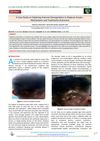 July 2025 in “International Journal of Pharmaceutical Sciences Review and Research”
 Individualized treatment and psychological support improved the patient's quality of life and appearance despite medication side effects.
 July 2025 in “Health Sciences”
 A 7-year-old girl with non-scarring alopecia will have hair follicle transplantation to improve her quality of life.
 June 2025 in “Journal of Endocrinological Investigation”
 Adrenal disorders often cause high blood pressure in young people.
 May 2025 in “Journal of Food and Nutrition Research”
 Black wolfberry ferment may help regrow hair in cases of androgenetic alopecia.
 May 2025 in “Galen Medical Journal”
 New targeted therapies for psoriasis show promise but face challenges like side effects and treatment resistance.
 April 2025 in “Egyptian journal of Immunology”
 Calprotectin levels are higher in alopecia areata patients, indicating systemic inflammation.
 March 2025 in “HAL (Le Centre pour la Communication Scientifique Directe)”
 De nouvelles thérapies promettent de mieux traiter la perte de cheveux due à l'alopécie androgénétique.
 March 2025 in “Jurnal Farmamedika (Pharmamedica Journal)”
 Procyanidin from Indonesian spices may help heal diabetic wounds.
 January 2025 in “TURKDERM”
 Alopecia areata incognito in children can be effectively treated with triamcinolone acetonide and supplements, leading to full hair regrowth.
Frontal fibrosing alopecia can be managed with personalized combination therapies, but no cure exists yet.
 January 2025 in “Nanotechnology Reviews”
 Pumpkin seed extract can create copper oxide nanoparticles with potential antibacterial and cancer-fighting properties.
 January 2025 in “Bright Sky Publications eBooks”
 Aesthetic medicine is rapidly advancing with new technologies for safer, personalized, and less invasive treatments.
 January 2025 in “Bright Sky Publications eBooks”
 Advancements in medical physics and laser technology are improving healthcare but access remains unequal globally.
 January 2025 in “The Pharma Innovation”
 Nanospanlastic vesicles can improve glaucoma treatment by enhancing drug delivery to the eye.
 January 2025 in “Advances in Clinical Medicine”
 Fractional CO2 laser therapy effectively improves skin conditions and recovery when combined with other treatments.
The new minoxidil gel may improve hair loss treatment by staying on the scalp longer and penetrating better.
 December 2024 in “International Ayurvedic Medical Journal”
 Ayurvedic treatments may help reduce hypothyroidism symptoms.
 December 2024 in “Asian Journal of Pharmaceutical and Clinical Research”
 Combining synthetic and herbal treatments may help with hair loss, but more research is needed.
 December 2024 in “JAPI (Jurnal Akses Pengabdian Indonesia)”
 Residents improved their understanding and skills in using riverbank plants as medicine.