April 2026 in “International Journal of Nanomedicine” Natural bioactive wound dressings show promise for diabetic wound healing but need more development for practical use.
July 2026 in “Materials Today Bio” DNA hydrogels can help repair tissues and treat tumors in regenerative medicine.
4 citations
,
May 2025 in “Life” 3D bioprinting shows promise for better skin regeneration by creating structures similar to natural skin.
4 citations
,
March 2023 in “Cancer Innovation” Flexible bioelectronics show promise in non-invasive cancer detection and treatment but need improvements in stability and effectiveness.
October 2025 in “Coloration Technology” Delipidised wool is brighter, dyes better, and is more eco-friendly.
1 citations
,
January 2024 in “Journal of Food Processing and Preservation” Encapsulated pumpkin seed protein improves aloe vera drink's taste, antioxidants, and shelf life.
 October 2022 in “ACS Applied Materials & Interfaces”
 The hydrogel is versatile and easy to make.
26 citations
,
June 2023 in “International Journal of Bioprinting” The hydrogel effectively heals infected wounds and kills bacteria.
April 2023 in “Science of The Total Environment”  13 citations
,
January 2019 in “Colloids and Surfaces B: Biointerfaces”
13 citations
,
January 2019 in “Colloids and Surfaces B: Biointerfaces” The new drug delivery systems made with surfactants and block polymers are stable and not toxic.
February 2023 in “International Journal of Biological Macromolecules” September 2025 in “Acta Biomaterialia” A new tissue adhesive helps wounds heal better by allowing more cells to enter.
 15 citations
,
January 2023 in “Biomaterials Research”
15 citations
,
January 2023 in “Biomaterials Research” 3D bioprinting in plastic surgery could lead to personalized grafts and fewer complications.
December 2025 in “Regenerative Biomaterials” The hydrogel effectively heals diabetic wounds by reducing inflammation, providing oxygen, and preventing infection.
5 citations
,
January 2024 in “Fermentation” The new placenta-derived liquid improves skin moisture better than traditional extracts.
Natural adsorbents in cosmetics can significantly reduce skin and hair pollution.
17 citations
,
November 2024 in “Talanta” A new method was developed to detect pesticide residues on apples without damage.
July 2025 in “Carbohydrate Polymers” The green alga Parachlorella sp. has potential for use in cosmetics and health products due to its antioxidant, anti-hypertensive, and hair growth properties.
3 citations
,
December 2021 in “IntechOpen eBooks” Bionanomaterials from natural sources show promise in improving wound healing and tissue regeneration.
3D bioprinting shows great promise for improving wound healing and skin restoration.
September 2024 in “Journal of the American Academy of Dermatology” Natural extracts like kombucha, marine enzymes, and prebiotics can improve and restore damaged skin.
169 citations
,
October 2020 in “Pharmaceutics” Polysaccharide-based nanofibers are promising for better wound healing.
 February 2026 in “Phycology”
 Microalgae can sustainably improve nutrition and cosmetics with their diverse beneficial compounds.
12 citations
,
March 2023 in “Processes” Plant surfactants from quinoa and soybeans are effective, safe, and eco-friendly for shampoos.
May 2026 in “Waste and Biomass Valorization” 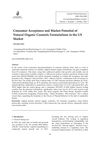 December 2025 in “Journal of World Economy”
 Natural organic cosmetics with high natural content and patent labeling are popular and profitable in the US market.
10 citations
,
January 2025 in “Biomaterials Science” The hydrogel speeds up wound healing and is promising for treating complex wounds.
17 citations
,
April 2022 in “Bioactive Materials” Continuous microfluidic processes can help scale up microtissue production for industrial and clinical use.
34 citations
,
September 2019 in “ACS Biomaterials Science & Engineering” Probiotic nanoscaffolds significantly improved burn healing and infection control in mice.
16 citations
,
January 2023 in “Regenerative Biomaterials” The scaffold with polydopamine and bioactive glass effectively promotes bone regeneration.