 February 2026 in “International Journal of Molecular Sciences”
 Extracellular vesicles show promise for medical use but face challenges in standardization and safety.
 February 2026 in “Scientific Reports”
 Platycladi Cacumen may help treat hair loss by affecting certain biological pathways.
 January 2026 in “Current Issues in Molecular Biology”
 FGF-7 helps hair grow by activating hair follicles and is a promising target for hair loss treatments.
December 2025 in “Animals” TGFBR1 slows down cell growth in fine-wool sheep hair follicles.
October 2025 in “Nature Reviews Disease Primers” October 2025 in “International Journal of Molecular Sciences” Stem cells have great potential for treating various medical conditions.
September 2025 in “Current Oncology” LncRNAs may help improve brain cancer treatment and diagnosis.
September 2025 in “International Journal of Molecular Sciences” Hangeshashinto's natural products may help treat stomatitis by reducing inflammation and cytotoxicity.
September 2025 in “Middle East Current Psychiatry” Caregivers of chronic skin disease patients face significant burdens that harm their quality of life.
 August 2025 in “Aesthetic Plastic Surgery”
 Collaboration and innovation are key to developing effective, safe hair loss treatments.
 May 2025 in “Frontiers in Bioengineering and Biotechnology”
 EX104 shows promise in treating hair loss by promoting hair growth and improving scalp health.
 May 2025 in “Antioxidants”
 Natural products show promise for treating diseases but need more research to understand and use them effectively.
 April 2025 in “Natural Product Communications”
 Angelica sinensis and Ligusticum sinense essential oils promote hair growth safely.
March 2025 in “Clinical Reviews in Allergy & Immunology”  March 2025 in “Clinical Cosmetic and Investigational Dermatology”
 The Tru9I variant in the VDR gene may influence alopecia areata risk and vitamin D levels.
 December 2024 in “International Journal of Molecular Sciences”
 Human umbilical cord stem cell vesicles may help treat aging and related diseases.
 December 2024 in “Molecules”
 Bovine milk-derived exosomes may improve skin, hair, gut, brain, and bone health.
November 2024 in “Forensic Sciences” Understanding the Y chromosome is key to male health, aging, and developing diagnostic tools.
 October 2024 in “Biology”
 Dermal papilla cells can help regrow hair and are promising for hair loss treatments.
 August 2024 in “Medicine”
 Most patients with PCOS were prescribed medroxyprogesterone acetate or oral contraceptives, with some experiencing side effects or needing prescription changes.
 April 2024 in “Frontiers in microbiology”
 Certain gut bacteria may increase or decrease the risk of male pattern baldness.
 March 2024 in “Indian Journal of Dermatology/Indian journal of dermatology”
 Exosomes could be key in treating skin conditions and healing wounds.
February 2024 in “Pharmaceutics” Microneedles with extracellular vesicles show promise for treating various conditions with targeted delivery.
December 2023 in “Indian Journal of Endocrinology and Metabolism” Early diagnosis, genetic testing, and innovative treatments are crucial for managing complex medical conditions.
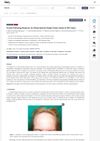
The study concluded that Frontal fibrosing alopecia can affect younger people, is often missed in men, and may be autoimmune-related.
May 2020 in “Authorea (Authorea)” Olfactory receptors found outside the nose may offer new treatments for diseases like cancer and help in wound healing and hair growth.
 February 2023 in “International Journal of Molecular Sciences”
 Exosomes from skin cells can boost hair growth by stimulating a gene called LEF1.
November 2024 in “Genomics” Melatonin boosts hair growth in cashmere goats by helping certain cells multiply.
 15 citations
,
October 2015 in “PLOS ONE”
15 citations
,
October 2015 in “PLOS ONE” The Chinese version of the PCOS quality of life questionnaire is reliable and valid for Chinese-speaking women with PCOS.
 12 citations
,
April 2016 in “PLoS ONE”
12 citations
,
April 2016 in “PLoS ONE” The Chi-PCOSQ is effective for assessing health-related quality of life in Chinese women with PCOS.