 1 citations
,
January 2022 in “International Journal of Health Sciences”
1 citations
,
January 2022 in “International Journal of Health Sciences” Health workers in non-COVID wards had higher depression and anxiety rates.
 June 2026 in “Saudi Medical Horizons Journal”
 JAK inhibitors show promise in treating skin conditions like eczema, hair loss, and vitiligo but need more safety research.
 May 2026 in “Frontiers in Pharmacology”
 Long-term use of 5α-reductase inhibitors may improve survival in men with kidney cancer.
 May 2026 in “International Journal of Homoeopathic Sciences”
 Individualized Homeopathic Medicine shows promise for treating alopecia with lasting hair regrowth.
 March 2026 in “Frontiers in Medicine”
 High-dose testosterone with finasteride improves muscle health in males with spinal cord injury.
 March 2026 in “Journal of Drug Delivery and Therapeutics”
 Aloe vera is effective and safe for skin and hair care.
 February 2026 in “BMC Plastic and Reconstructive Surgery”
 Induced pluripotent stem cells could improve chronic wound healing but face safety and effectiveness challenges.
 February 2026 in “Frontiers in Pharmacology”
 Genetics can help tailor treatments for male pattern hair loss, improving outcomes like stabilization or modest regrowth.

Ayurveda-based care may improve quality of life for breast cancer patients without serious side effects.
 December 2025 in “International Journal of Research in Dermatology”
 Isotretinoin effectively treats severe acne but has serious side effects and requires careful monitoring.
 November 2025 in “Nanoscale Advances”
 Inorganic nanoparticle-based scaffolds can improve wound healing by fighting bacteria and helping tissue grow.
 November 2025 in “Frontiers in Medicine”
 The SAALIQ is a reliable tool for measuring the impact of alopecia areata on Spanish-speaking patients' quality of life.
 November 2025 in “SKIN The Journal of Cutaneous Medicine”
 Baricitinib helps regrow scalp, eyebrow, and eyelash hair in teens with severe alopecia areata.
 November 2025 in “SKIN The Journal of Cutaneous Medicine”
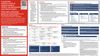
 Alopecia areata negatively affects self-esteem, relationships, and academics in young people.
 October 2025 in “Cermin Dunia Kedokteran”
 Early detection, prevention, and proper management can reduce TB-IRIS complications and deaths in HIV patients.
 October 2025 in “Frontiers in Medicine”
 The minoxidil-finasteride combination is more effective for hair growth than minoxidil alone.
 September 2025 in “Cureus”
 GLP-1 agonists may help treat certain skin conditions.
 September 2025 in “Revista de Ciencias de la Salud de la Universidad Americana”
 PCOS is more common in Nicaraguan women than globally.
Adding a topical agent to IPL improves hair reduction and satisfaction without extra side effects.
 June 2025 in “Basrah Researches Sciences”
 Medicinal plants might help with post-COVID-19 issues, but more research is needed.

Menopause-related skin changes may increase fungal infections and inflammation.
 May 2025 in “The Journal of Rheumatology”
 Lupus patients in Ghana face healthcare challenges, and the Oyemam Autoimmune Foundation is working to improve awareness and support.
 April 2025 in “Pharmacy Practice”
 Long-term use of hormonal contraceptives may harm liver function.
 April 2025 in “Dermatology and Therapy”
 Significant, lasting hair regrowth is needed to improve how patients with Alopecia Areata feel about their condition.
 February 2025 in “bioRxiv (Cold Spring Harbor Laboratory)”
 Hair follicles protect melanocytes from sun damage, helping them replenish skin.
 January 2025 in “International Journal of Biology Sciences”
 Combining systemic and topical treatments effectively cured a dog's skin condition.

Polarized microscopy helps identify hair irregularities in genetic disorders.
 September 2024 in “Cutis”
 Dermatology residency programs need better DEI training to improve care for diverse patients.
 September 2024 in “Drugs & Therapy Perspectives”
 Ritlecitinib effectively regrows hair in severe alopecia areata and is well tolerated.

Four genes are linked to alopecia areata, with two increasing risk and two offering protection.