2 citations
,
June 2023 in “PeerJ” Chronic inflammation can cause cancer by making stem cells divide and mutate.
 June 2025 in “Academic Medical Journal”
 High homocysteine levels in lupus may increase inflammation and cardiovascular risk.
Gel 2, with shark liver and borage oil, is effective for reducing inflammation and healing wounds.
 2 citations
,
August 2023 in “Autophagy”
2 citations
,
August 2023 in “Autophagy” Autophagy helps control skin inflammation and cancer responses and regulates hair growth by affecting stem cell activity.
87 citations
,
June 2010 in “Stem Cell Research & Therapy” Stem cells can move to brain injury sites and be tracked, showing promise for treating brain diseases.
60 citations
,
September 2023 in “Science” BTNL proteins help control inflammatory bowel disease by maintaining specific immune cells.
23 citations
,
September 2020 in “Journal of Dermatological Science” Targeting Vδ1+T-cells may help treat alopecia areata.
 21 citations
,
October 2018 in “European Journal of Pharmacology”
21 citations
,
October 2018 in “European Journal of Pharmacology” Chemotherapy can cause brain inflammation and damage, and understanding this process could help manage side effects.
15 citations
,
October 2014 in “The journal of investigative dermatology/Journal of investigative dermatology” Erlotinib causes skin inflammation through IL-1, which can be reduced by anakinra.
9 citations
,
June 2022 in “Plants” Shallot extract may help with hair growth and treating hair loss.
9 citations
,
December 2021 in “Androgens” Androgens like testosterone may help treat traumatic brain injury by reducing mitochondrial stress and inflammation.
1 citations
,
June 2025 in “Frontiers in Genetics” Key genes IRF2BP2 and EGFR are linked to Hetian sheep's double-coat fleece.
 May 2026 in “Endocrine Connections”
 Androgenetic alopecia in PCOS is linked to insulin resistance, inflammation, and genetics, not just hormones.
April 2026 in “Journal of Investigative Dermatology” ZNF750 helps keep hair follicles healthy and prevents skin inflammation.
February 2026 in “American Journal Of Pathology” Skin organoids can mimic human skin responses to injury and inflammation, making them useful for studying skin diseases and testing treatments.
December 2025 in “Advanced Healthcare Materials” The composite helps hair growth and scalp healing by reducing stress and inflammation.
August 2025 in “International Journal of Molecular Sciences” Osmanthus fragrans var. aurantiacus Makino may help treat inflammation due to its antioxidative and anti-inflammatory properties.
Allopregnanolone may help reduce inflammation and symptoms related to post-finasteride syndrome.
 March 2025 in “International Journal of Molecular Sciences”
 Free long-chain fatty acids can stimulate hair growth in mice.
12 citations
,
July 2015 in “Experimental Dermatology” Gasdermin A3 overexpression in skin causes inflammation and hair loss.
September 2025 in “Plants” Juniperus morrisonicola wood essential oil has strong anti-inflammatory and antifungal properties.
 March 2026 in “Molecular and Cellular Biomedical Sciences”
 EH-MSCs may help treat hair loss by reducing inflammation.
245 citations
,
January 2010 in “Blood” Antihepcidin antibodies may treat inflammation-induced anemia by improving iron metabolism.
 February 2025 in “Cureus”
 Hair transplants can rarely cause scalp inflammation leading to hair loss, needing early detection and treatment.
6 citations
,
January 2023 in “International journal of molecular sciences” Mast cells and CD8 T cells interact closely in skin diseases, affecting each other's behavior and contributing to conditions like psoriasis and eczema.
2 citations
,
October 2025 in “ACS Infectious Diseases” The microbiome helps reduce inflammation after infections, but how it does this is not fully understood.
 January 2026 in “Frontiers in Immunology”
 Icariin can regulate macrophages and may help treat inflammation, cancer, bone disorders, and fibrotic diseases.
January 2026 in “Journal of Clinical Medicine” Improving diet and lifestyle can help manage skin conditions linked to insulin resistance and inflammation.
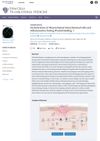 July 2023 in “Stem Cells Translational Medicine”
 Mesenchymal Stem/Stromal Cells (MSCs) help in wound healing and tissue regeneration, but can also contribute to tumor growth. They show promise in treating chronic wounds and certain burns, but their full healing mechanisms and potential challenges need further exploration.
45 citations
,
January 2021 in “Drug Delivery” MM-CEP/NLCs could effectively treat lung inflammation.