 1 citations
,
July 2018 in “Journal of dermatology & cosmetology”
1 citations
,
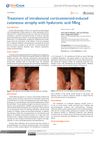
July 2018 in “Journal of dermatology & cosmetology” Hyaluronic acid successfully treated skin atrophy caused by corticosteroid injections.
January 2021 in “Journal of clinical & experimental dermatology research” The new 5% minoxidil formulation without propylene glycol effectively promotes hair growth with fewer side effects and better user satisfaction.
January 2019 in “FarFar - Pharmacy Repository” Microemulsions improve adapalene's skin absorption for better acne treatment.
 January 2026 in “Lumbung Farmasi Jurnal Ilmu Kefarmasian”
 The topical formula with sidr leaves and roasted candlenut extracts significantly boosts hair growth for alopecia.
 June 2023 in “Dermatology and Therapy”
 Using fractional CO2 laser with halometasone cream works better for chronic hand eczema than just the cream, improving symptoms and quality of life with fewer relapses.
Minoxidil can cause hair growth as a side effect.
24 citations
,
January 2017 in “International Journal of Trichology” 1 citations
,
February 2025 in “Archives of Dermatological Research” Using Excimer light with topical steroids is the most effective treatment for alopecia areata.
January 2006 in “Benzina: Revista d'excepcions culturals” Trienones are more effective at inhibiting the enzyme linked to hair loss than dienones.
April 2023 in “Journal of Drug Delivery Science and Technology” The new minoxidil gel improves hair growth and reduces skin irritation.
 January 2025 in “International Journal of Pharmaceutical Research and Applications”
 Hibiscus mucilage is an effective gelling agent for diclofenac diethylamine gel.
4 citations
,
February 2015 in “PubMed” The emu oil emulsion with minoxidil was better at promoting hair growth than the commercial product.
September 2022 in “Journal of The American Academy of Dermatology” Combining dutasteride mesotherapy with oral minoxidil is more effective for hair loss than using oral minoxidil alone.
 September 2025 in “Intisari Sains Medis”
 The combination therapy improved severe alopecia areata in a patient after 14 days.
 11 citations
,
May 1990 in “Journal of Dermatological Science”
11 citations
,
May 1990 in “Journal of Dermatological Science” Diazoxide applied to the skin can increase hair growth without harmful side effects.
2 citations
,
December 2021 in “BMC veterinary research” Long-term use of difluprednate eye drops in dogs can lead to hair loss and hormone imbalance.
 9 citations
,
October 2021 in “Biological and Pharmaceutical Bulletin”
9 citations
,
October 2021 in “Biological and Pharmaceutical Bulletin” Mupirocin nanoparticle-loaded hydrogel is safe and effective for healing burn wounds.
 May 2018 in “European Journal of Dermatology”
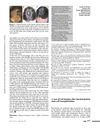
 Adjusting the medication tacrolimus resolved a boy's red nail beds after a stem cell transplant.
January 2017 in “Zenodo (CERN European Organization for Nuclear Research)” The minoxidil emulgel is feasible and may be more effective for treating male pattern baldness.
15 citations
,
July 2022 in “Nano Research” A cholesterol-free liposomal platform using protopanaxadiol effectively promotes hair growth and treats alopecia.
January 2018 in “Journal of analytical, bioanalytical and separation techniques”  February 2024 in “PubMed”
 The new minoxidil lotion using Aloplus Total is stable and can be mixed with other ingredients for treating hair loss.
2 citations
,
September 2024 in “Journal of the American Academy of Dermatology” Deuruxolitinib significantly helps regrow scalp hair in adults with moderate to severe alopecia areata.
July 2022 in “European Journal of Dermatology” Brodalumab is more effective than ustekinumab in treating psoriasis.
 48 citations
,
January 2011 in “International journal of trichology”
48 citations
,
January 2011 in “International journal of trichology” Intralesional triamcinolone acetonide is the most effective treatment for localized alopecia areata.
June 2026 in “International Journal of Pharmaceutics” January 2018 in “Surgical and Cosmetic Dermatology” Latanoprost and minoxidil effectively control hair loss and increase hair count.
5 citations
,
January 1995 in “Journal of Dermatological Treatment” Calcipotriol does not improve the effectiveness of squaric acid dibutylester in treating alopecia areata.
February 2026 in “Expert Opinion on Pharmacotherapy” Low-dose oral and topical minoxidil are recommended for managing hair loss in transplant patients, with specific dosing and timing guidelines.
 July 1988 in “Journal of The American Academy of Dermatology”
 Various dermatologic treatments were effective for skin conditions like acne, rosacea, hair loss, and psoriasis from December 1986 to December 1987.