July 2025 in “Journal of Investigative Dermatology” Acne involves increased lipid production and inflammation, affecting skin cell behavior and treatment resistance.
May 2026 in “World Journal of Stem Cells” Low oxygen conditions improve the healing ability of older stem cells from fat tissue.
5 citations
,
February 2025 in “Cell Reports” Skin acetyl-CoA synthesis is crucial for overall lipid balance.
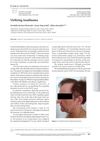 August 2025 in “Endokrynologia Polska”
 A rare pancreatic tumor caused a woman's male-like features, treated successfully with surgery and medication.
7 citations
,
April 2023 in “Biomedicines” Dihydrotestosterone boosts inflammation in fat cells more than testosterone.
 December 2013 in “Open Access Macedonian Journal of Medical Sciences”
 A woman's excessive hair growth and high testosterone were caused by a rare ovarian tumor, which was successfully treated with surgery.

Exosomes from fat-derived stem cells help repair large bone defects by attracting and enhancing bone marrow stem cells.
October 2025 in “The Egyptian Journal of Hospital Medicine” Lower adiponectin and higher leptin levels may predict hair loss in alopecia areata.
25 citations
,
January 2012 in “Proteome Science” Adipose stem cells show common protein changes as they grow, especially involving S100A6.
 1 citations
,
July 2023 in “International Journal of Molecular Sciences”
1 citations
,
July 2023 in “International Journal of Molecular Sciences” Treating fat stem cells with low oxygen boosts hair growth cell growth through specific signaling pathways.
 April 2019 in “Journal of the Endocrine Society”
 The study found that imaging might miss small ovarian tumors causing high testosterone, and suggested using certain testosterone levels and treatment responses to identify these tumors.
 January 2023 in “Postępy Dermatologii i Alergologii”
 Stem cells can improve wound healing, reduce scars, promote hair growth, rejuvenate skin, and enhance fat grafts in plastic surgery, but there are still some concerns.
1 citations
,
April 2019 in “The journal of investigative dermatology/Journal of investigative dermatology” Fibroblasts and myeloid cells in mouse skin wounds are diverse and can change into different cell types during healing.
37 citations
,
January 1986 in “Carcinogenesis” ODC expression in mouse skin and tumors is varied and can be inhibited by retinoic acid or cycloheximide.
 May 2021 in “Journal of the Endocrine Society”
 A rare ovarian cancer with a good outlook was found in a woman with unusual hair growth and abdominal symptoms.
2 citations
,
January 2016 in “Gynecological Endocrinology” A hidden autoimmune syndrome was found during a shock, showing thyroid, adrenal, and ovarian issues.
 45 citations
,
May 2018 in “Stem Cell Research & Therapy”
45 citations
,
May 2018 in “Stem Cell Research & Therapy” Using patients' own fat-derived cells to treat alopecia areata significantly improved hair growth and was safe.

Lower adiponectin levels may relate to depression in women with PCOS.
 10 citations
,
January 2016 in “Annals of Dermatology”
10 citations
,
January 2016 in “Annals of Dermatology” 3D-cultured dermal papilla cells are better at inducing hair follicles than adipose-derived stem cells.
3 citations
,
December 2013 in “American Journal of Dermatopathology” A rare skin growth in a baby was successfully removed without coming back.
1 citations
,
November 2023 in “Anais Brasileiros de Dermatologia” Certain gene variations and low adiponectin levels may increase the risk of hair loss in Egyptians.
 July 2023 in “JCEM Case Reports”
 A 36-year-old woman with low potassium levels was found to have Cushing disease, and after treatment, her potassium levels normalized.
 March 2025 in “International Journal of Trichology”
 Injecting stem cells from a patient's own fat can improve hair growth in women with hair loss.
 88 citations
,
July 2019 in “International Journal of Molecular Sciences”
88 citations
,
July 2019 in “International Journal of Molecular Sciences” Using human fat tissue derived stem cells in micrografts can safely and effectively increase hair density in people with hair loss.
 October 2024 in “Journal of the Endocrine Society”
 Rare ovarian tumors can cause hyperandrogenism, even if imaging appears normal.
2 citations
,
November 2025 in “Cells” Adipose-derived stem cell secretome is a promising and effective treatment for skin repair.
 May 2016 in “Endocrine Abstracts”
 The removal of the adrenal tumor improved the patient's symptoms and reduced androgen levels, indicating successful surgery.
January 2019 in “Dermatologic Surgery” Cryolipolysis can cause unexpected pain in some patients.
December 2010 in “TSpace” Activating androgen receptors in muscle can increase muscle mass and reduce fat.
 December 2021 in “Signal transduction and targeted therapy”
 Increasing sebum production might help reduce fat and improve metabolism.