 September 2023 in “Stem cell reviews and reports”
 Scientists found a new, less invasive way to get stem cells from horse hair for veterinary medicine.
 8 citations
,
November 1990 in “Archives of Dermatology”
8 citations
,
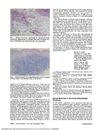
November 1990 in “Archives of Dermatology” A woman with EMS showed unusual skin mucinosis without the typical hard skin syndrome, suggesting EMS can cause skin mucinosis.
 12 citations
,
February 2025 in “Scientific Reports”
12 citations
,
February 2025 in “Scientific Reports” MSC-EVs and UCB-EVs improve skin wound healing and reduce scarring.
 73 citations
,
September 2016 in “Journal of Translational Medicine”
73 citations
,
September 2016 in “Journal of Translational Medicine” Some heart drugs show promise for other conditions, but more research is needed to confirm their effectiveness and safety.
 48 citations
,
January 2024 in “Immune Network”
48 citations
,
January 2024 in “Immune Network” IL-15 is key for T cell function and could help improve treatments for immune-related diseases.
 4 citations
,
June 2025 in “Medeniyet Medical Journal”
4 citations
,
June 2025 in “Medeniyet Medical Journal” TMPRSS2 is crucial for COVID-19 infection and is a potential target for treatment.
3 citations
,
May 2013 in “International journal of molecular sciences” Epidermal stem cells show promise for treating orthopedic injuries and diseases.
116 citations
,
August 2021 in “Stem Cell Research & Therapy” Menstrual blood stem cell vesicles show promise for treating various medical conditions.
1 citations
,
October 2025 in “Current Issues in Molecular Biology” Escin improves skin blood flow and health by enhancing blood vessel networks.
129 citations
,
July 2019 in “Stem Cell Research & Therapy” Epidermal stem cells help heal severe skin wounds and have potential for medical treatments.
8 citations
,
March 2015 in “International Journal of Oncology” Tsc2-deficient stem cells can help understand and treat TSC-related tumors.
19 citations
,
August 2024 in “Journal of Translational Medicine” Epidermal stem cells are vital for skin healing and have potential for treating skin disorders.
14 citations
,
May 2008 in “Journal of Visualized Experiments” Mouse epidermal neural crest stem cells can become various cell types and are easily obtained from hair follicles.
January 2006 in “Zhongguo bingli shengli zazhi” Murine epidermal stem cells can develop into skin structures without rejection when implanted.
October 2010 in “EUR Research Repository (Erasmus University Rotterdam)” A fungal skin infection was successfully treated with medication and compression therapy.
44 citations
,
July 2020 in “Stem Cell Research & Therapy” Epidermal stem cells show promise for skin repair and regeneration.
8 citations
,
January 2025 in “Cell Transplantation” MSC-derived EVs show promise for therapy, but production and understanding need improvement.
 28 citations
,
February 2014 in “PLoS ONE”
28 citations
,
February 2014 in “PLoS ONE” Epidermal stem cells on a special membrane helped mice regrow full skin with hair and functions.
1 citations
,
March 2023 in “Pharmaceutics” PBMCsec can help reduce and improve thick skin scars.
 March 2024 in “Drug development & registration”
 Mesenchymal stem cell secretome shows promise for skin treatments but needs more human trials.
January 2026 in “SSRN Electronic Journal”  August 2019 in “Journal of Medical Histology”
 EMT helps heal tissues but can cause scarring and other issues if prolonged.
 April 2025 in “Dermatology Practical & Conceptual”
 Biopsy is crucial for accurately diagnosing EPDS to avoid mistaking it for SCC.
July 2025 in “Burns & Trauma” 3D cell spheroids can help reduce scars by delivering therapeutic vesicles.
 July 2025 in “Current Stem Cell Research & Therapy”
 MSC-Exo are safe and effective for treating skin diseases.
 26 citations
,
March 2018 in “Dermatology and Therapy”
26 citations
,
March 2018 in “Dermatology and Therapy” EPC-CM can reduce skin aging signs by boosting the skin's defense system.
19 citations
,
January 2023 in “Frontiers in Bioengineering and Biotechnology” MSC-sEVs may effectively treat chronic non-healing wounds.
39 citations
,
April 2022 in “Biomedical Materials” A special gel helps heal skin wounds without scars by calming the immune response.
 25 citations
,
December 2021 in “Stem Cell Research & Therapy”
25 citations
,
December 2021 in “Stem Cell Research & Therapy” MSCs and their exosomes may speed up skin wound healing but need more research for consistent use.
1 citations
,
July 2024 in “Nanomedicine” Stem cell-derived vesicles improve blood vessel growth in limbs.