UC-MSC-Es help human hair cells grow.
 February 2026 in “Frontiers in Immunology”
 Human amniotic stem cells can safely treat psoriasis-like skin in mice.
January 2025 in “SSRN Electronic Journal”  91 citations
,
March 2011 in “Stem Cell Reviews and Reports”
91 citations
,
March 2011 in “Stem Cell Reviews and Reports” Human epidermal neural crest stem cells can become bone and skin pigment cells, making them useful for therapies.
1 citations
,
September 2025 in “Viruses” Hantavirus survivors often face long-term health issues, needing ongoing care.
22 citations
,
April 2022 in “Stem cell research & therapy” Hair follicle-derived extracellular vesicles may help heal chronic wounds as effectively as those from adipose tissue.
13 citations
,
September 2014 in “Birth defects research” Human epidermal neural crest stem cells could be used for therapies, drug discovery, and disease modeling.
1 citations
,
October 2023 in “Pharmaceuticals” Sulfated polysaccharides from Microcosmus exasperatus may help treat cancer without causing blood thinning.
 April 2026 in “Research Square”
 E13 fetal mouse fibroblast vesicles may help reduce scarring.
 13 citations
,
October 2015 in “Journal of the European Academy of Dermatology and Venereology”
13 citations
,
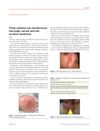
October 2015 in “Journal of the European Academy of Dermatology and Venereology” The document concludes that early recognition and appropriate treatment of red scalp, red ear, and red scrotum syndromes can lead to remission.
 April 2019 in “Journal of Investigative Dermatology”
 The search scheme SMRI is faster and more secure for retrieving encrypted data from the cloud.
 8 citations
,
January 2011 in “Experimental and Therapeutic Medicine”
8 citations
,
January 2011 in “Experimental and Therapeutic Medicine” Stromal cells in melanoma promote tumor growth and spread.
 1 citations
,
April 2023 in “Science Advances”
1 citations
,
April 2023 in “Science Advances” High levels of ERK activity are key for tissue regeneration in spiny mice, and activating ERK can potentially redirect scar-forming healing towards regenerative healing in mammals.
5 citations
,
December 2016 in “Microscopy Research and Technique” EPI-NCSCs from hair follicles may help treat brain development issues in mice.
6 citations
,
September 2021 in “Medical Journal of Cell Biology” Mesenchymal stem cells and their secretome may offer a safe and effective treatment for systemic lupus erythematosus.
 220 citations
,
March 2020 in “Advanced functional materials”
220 citations
,
March 2020 in “Advanced functional materials” Biomaterials with MSC-derived substances could improve tissue repair and have advantages over direct cell therapy.
8 citations
,
February 2021 in “Journal of Clinical Medicine” Hair follicle stem cells are promising for blood vessel formation and tissue repair.
10 citations
,
June 2024 in “Skin Research and Technology” Autologous epidermal cell suspensions speed up healing and reduce complications in skin lesion treatment but have limited impact on cosmetic outcomes.
 January 2026 in “Chonnam Medical Journal”
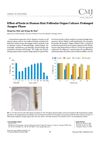
 Escin helps keep hair follicles in the growth phase longer.
April 2024 in “Biomolecules” Exosomal miRNAs from stem cells can help improve skin health and delay aging.
 July 2023 in “Current Issues in Molecular Biology”
 Escin may help treat hair loss by boosting a specific cell growth pathway.
15 citations
,
November 2020 in “Development” Stem cells in the eye have different roles and behaviors, helping maintain and repair the eye's surface.
ETS2 is crucial in squamous cell carcinoma development and could be a therapeutic target.
97 citations
,
May 2019 in “Frontiers in Cell and Developmental Biology” Abnormal ECM and immune cell interactions can cause skin diseases.
10 citations
,
January 2012 in “Journal of Oncology” The surrounding tissue plays a crucial role in the growth and spread of skin cancer.
January 2007 in “Jiepouxue yanjiu” ES cell-derived stem cells can help regenerate skin and form gland-like structures.
May 2026 in “Frontiers in Cell and Developmental Biology” Mesenchymal stem cells and their vesicles show promise for burn treatment but face challenges in standardization and clinical application.
April 2018 in “The journal of investigative dermatology/Journal of investigative dermatology” Esrp1 is important for skin health by helping form and maintain the skin barrier.
May 2023 in “ACS Biomaterials Science & Engineering” The scaffold helps wounds heal without scars and promotes hair growth.
 59 citations
,
April 2016 in “Cell Reports”
59 citations
,
April 2016 in “Cell Reports” EdnrB signaling helps melanocyte stem cells regenerate and could be targeted to treat pigmentation issues.