 1 citations
,
March 1992 in “Postgraduate Medicine”
1 citations
,
March 1992 in “Postgraduate Medicine” About 40% of women by age 60 experience significant hair loss, often due to androgenetic alopecia, with treatments like minoxidil available and hope for future cures.
 1 citations
,
February 1988 in “The BMJ”
1 citations
,
February 1988 in “The BMJ” The document explains different hair and scalp conditions, including common hair loss after pregnancy or illness, drug-induced hair loss, hereditary excessive hair growth, patterned baldness, autoimmune hair loss, and permanent loss due to skin disease, with generally limited treatment options.
 June 2026 in “Kerala Journal of Ayurveda”
 Ayurvedic treatment successfully restored hair in a child with Alopecia Areata.
 June 2026 in “International Journal of Homoeopathic Sciences”
 Understanding hair loss causes can improve treatments and quality of life.
Certain skin and family history markers predict vitiligo severity and treatment needs.
 April 2026 in “Clinical Cosmetic and Investigational Dermatology”
 Renal transplant recipients often have skin issues, especially infections, and need regular skin check-ups.
 April 2026 in “International Journal of Homoeopathic Sciences”
 Kali carbonicum helped regrow beard hair and reduce anxiety in a man with alopecia areata barbae.
 March 2026 in “International Journal of Homoeopathic Sciences”
 Alopecia is increasing globally, and homeopathy combined with lifestyle changes may help manage it effectively.
 February 2026 in “Frontiers in Medicine”
 Trichoscopy can help diagnose early congenital syphilis in newborns.
 January 2026 in “International Research Journal of Modernization in Engineering Technology and Science”
 Alopecia areata causes patchy hair loss and is often treated with corticosteroids.
 January 2026 in “Journal of Ayurveda and Integrated Medical Sciences”
 Bhringaraj extract tablets significantly reduce hair fall and are well-tolerated.
 January 2026 in “Frontiers in Medicine”
 Alopecia areata in Taiwan has a high disease burden and needs better research and diagnostic criteria.
Understanding alopecia in Mexican adults helps create better, tailored treatments.
 January 2026 in “International Journal of All Research Education & Scientific Methods”
 Alopecia is caused by various factors, and new treatments like gene editing and regenerative medicine offer hope for personalized hair regrowth solutions.
 December 2025 in “International Journal of Research in Ayurveda and Pharmacy”
 Ayurvedic treatment successfully regrew hair in a 19-year-old with alopecia areata in 2 months.
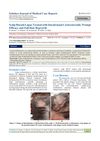 October 2025 in “Scholars Journal of Medical Case Reports”
 Intralesional corticosteroids effectively treat scalp Discoid Lupus and restore hair.
 October 2025 in “Dermatology Practical & Conceptual”
 ChatGPT 4.0 and Gemini 1.5 Flash are effective for educating patients about androgenetic alopecia, while Deepseek R1 is less reliable.
 September 2025 in “Journal of Skin and Stem Cell”
 The combination of calcipotriol and PRP is the most effective treatment for alopecia areata.
 September 2025 in “Online Türk Sağlık Bilimleri Dergisi”
 Low zinc and folate levels are linked to hair loss in children.
 July 2025 in “International Journal of Dermatology Venereology and Leprosy Sciences”
 Higher stress levels may worsen alopecia areata, suggesting stress management is important for treatment.
Trichoscopy is a valuable tool for accurately diagnosing scalp conditions without invasive procedures.
Histopathological confirmation is crucial for accurately diagnosing challenging alopecia areata cases.
 January 2025 in “International Journal of Pharmacognosy and Life Science”
 Herbal treatments like Aloe vera, Bhringraj, Neem, Tea tree oil, Amla, and Hibiscus are promising for safer, effective hair care.
 July 2024 in “Dermatology Practical & Conceptual”
 LC-OCT helps accurately diagnose different types of infant hair loss without invasive methods.
 December 2023 in “Portuguese journal of dermatology and venereology”
 Trichoscopy can reliably distinguish between alopecia areata and trichotillomania.
 November 2023 in “Research Square (Research Square)”
 Combining calcipotriol and PRP is most effective for treating Alopecia Areata.
 October 2023 in “European medical journal. Dermatology”
 Hair loss greatly affects quality of life, and dermatologists are crucial for proper diagnosis and treatment.
 June 2023 in “International Journal of Research in Dermatology”
 Early diagnosis and treatment of alopecia areata in children is crucial to prevent severe progression.
Non-invasive methods can effectively diagnose and manage alopecia areata.
 January 2023 in “Open Access Research Journal of Biology and Pharmacy”
 Martynia annua shows promise for future medical research due to its many medicinal properties.