Oral tofacitinib effectively treats alopecia areata long-term with manageable side effects.
 January 2026 in “International Journal of Applied Pharmaceutics”
 Nanoparticle-embedded microneedles improve drug delivery through the skin but face challenges in stability and safety.
 January 2026 in “International Journal of Science and Research (IJSR)”
 AI is now essential in Indian aesthetic medicine.
 January 2026 in “Journal of Emerging Technologies and Innovative Research”
 Zinc oxide nanoparticles made from Tridax procumbens leaves show strong antibacterial and anticancer effects.
 January 2026 in “Florence Research (University of Florence)”
 Wound healing involves four phases with various cells, but more research is needed on certain interactions.
 December 2025 in “MEDFARM Jurnal Farmasi dan Kesehatan”
 Topical metformin shows promise for treating skin conditions like acne and psoriasis.
Barbers trained in hair loss can better support and refer clients with alopecia.
 December 2025 in “Journal of World Economy”
 Natural organic cosmetics with high natural content and patent labeling are popular and profitable in the US market.
 November 2025 in “Scientific Reports”
 Blinking at least 20 times per minute helps maintain eye moisture and reduce dry eye symptoms.
 November 2025 in “Frontiers in Immunology”
 SQSTM1 gene issues may increase the risk of alopecia areata.
 November 2025 in “PARIPEX-INDIAN JOURNAL OF RESEARCH”
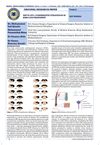
 GFC is more effective than PRP for treating hair loss.
 November 2025 in “Y HOC TP HO CHI MINH”
 Androgenetic alopecia patients have a higher risk of metabolic syndrome.
Azelaic acid helps with skin pigmentation issues, but its full effects are not completely understood.
 September 2025 in “IP Indian Journal of Clinical and Experimental Dermatology”
 Minoxidil effectively treats patterned hair loss in both males and females.
 September 2025 in “Medical Materials Research”
 Microneedles offer a painless, precise, and versatile method for drug delivery and disease treatment.
 September 2025 in “International Journal of Ayurveda and Pharma Research”
 Anutaila Nasya is more effective in reducing hair fall than Keshamitra Yoga alone.
 September 2025 in “Cellular and Molecular Biology”
 Intraoperative corticosteroids reduce swelling, and early care lowers folliculitis risk in hair transplant donor sites.
 September 2025 in “PLoS ONE”
 Medical associations need to create more resources to improve healthcare for incarcerated individuals.
 August 2025 in “Advances in Therapy”
 Physicians in China prioritize clinical hyperandrogenism in PCOS treatment, but clearer guidelines are needed.
 July 2025 in “International Journal of Ayurvedic Medicine”
 Kantavallabha rasa may help manage PCOS symptoms effectively.
 June 2025 in “Asia-Pacific Journal of Molecular Biology and Biotechnology”
 Papain from papaya may help treat cardiovascular diseases by breaking down fibrin.
 April 2025 in “Tạp chí Y Dược học Cần Thơ”
 Hair loss and mental health issues like anxiety and insomnia affect each other, impacting quality of life.
 April 2025 in “Scholars International Journal of Anatomy and Physiology”
 Straight-lined hairlines are most common among Etche people.
 February 2025 in “Tạp chí Y học Việt Nam”
 Posterior column injuries are common in tibial plateau fractures, and CT imaging is crucial for accurate treatment planning.
 January 2025 in “Pakistan Journal of Health Sciences”
 The Cyp11a1 gene variation has a weak link to PCOS, but higher di-hydro-testosterone levels are found in PCOS patients.
 January 2025 in “International Journal of Advanced Biochemistry Research”
 Alpha linolenic acid and linoleic acid help treat inflammatory skin conditions in dogs.
SL-HyDE improves medical information retrieval accuracy without needing labeled data.
 November 2024 in “Cureus”
 Many female medical students in Saudi Arabia show signs of insulin resistance linked to increased waist size.
 October 2024 in “Journal of the Pakistan Medical Association”
 Genetics, nutrition, lifestyle, and hormones affect early grey hair, but more research is needed.
 September 2024 in “Indian Journal of Skin Allergy”
 Technology, like stem cell therapy and teledermatology, is improving dermatology care.