June 2025 in “Indus journal of bioscience research.” Oral tofacitinib is more effective than oral minoxidil for treating alopecia areata.
 September 2019 in “Journal of Investigative Dermatology”
 Abrocitinib at 100 mg and 200 mg daily may significantly improve moderate-to-severe atopic dermatitis in patients 12 years and older.
 1 citations
,
December 2021 in “JAAD case reports”
1 citations
,
December 2021 in “JAAD case reports” A woman with severe hair loss saw significant hair regrowth after adding platelet-rich plasma injections to her treatment with tofacitinib.
 1 citations
,
January 2024 in “NPJ breast cancer”
1 citations
,
January 2024 in “NPJ breast cancer” Experts agree on how to manage sugar levels and skin reactions in patients taking the cancer drug alpelisib.
 February 2025 in “PubMed”
 Switching JAK inhibitors can lead to significant hair regrowth in severe alopecia cases.
 3 citations
,
February 2005 in “Lung Cancer”
3 citations
,
February 2005 in “Lung Cancer” The new chemotherapy combination for advanced lung cancer showed a 35.7% response rate but caused significant side effects.
2 citations
,
June 2025 in “Preprints.org” Targeting amphiregulin may improve treatment for fibrotic diseases and cancer.
22 citations
,
March 2017 in “Journal of the Formosan Medical Association” The guidelines help doctors manage skin problems from certain cancer treatments to improve patients' lives.
May 2025 in “Immunotherapy” Patients were very satisfied with hair regrowth after taking ritlecitinib for alopecia areata.
 September 2023 in “Dermatology and therapy”
 Ritlecitinib effectively improves hair growth in alopecia areata patients, regardless of hair loss pattern.
 1 citations
,
December 2012 in “I P Pavlov Russian Medical Biological Herald”
1 citations
,
December 2012 in “I P Pavlov Russian Medical Biological Herald” Finasteride increases P-glycoprotein activity in the liver and kidney.
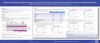 November 2024 in “SKIN The Journal of Cutaneous Medicine”
 Ritlecitinib effectively promotes hair regrowth in severe and very severe alopecia areata.
March 2026 in “SKIN The Journal of Cutaneous Medicine” Ritlecitinib is being tested for safety and effectiveness in young children with severe alopecia areata.
1 citations
,
April 2010 in “Cancer Research” WYE-130600 may cause skin thickening and irritation.
 January 2025 in “Geneesmiddelenbulletin”
 Baricitinib is effective and safe for treating severe alopecia areata with ongoing use.
December 2025 in “The Journal of Dermatology” Ritlecitinib effectively reduces hair loss in JAK inhibitor-naïve alopecia areata patients.
 August 2013 in “Nature Reviews Drug Discovery”
 New treatments for cancer and skin disorders show promise in disrupting harmful cell interactions and promoting hair growth.
2 citations
,
September 2023 in “Journal of the American Academy of Dermatology” CTP-543 effectively promotes hair regrowth in adults with moderate to severe alopecia areata.
 June 2022 in “Frontiers in Immunology”
 Tofacitinib regrew hair in a man with total hair loss but raised cytokine levels, needing more research on possible side effects.
 April 2016 in “Journal of Investigative Dermatology”
 Decreasing MIG6 can increase the movement and invasiveness of MEK-inhibited mutant NRAS melanoma, particularly when stimulated by EGF.
May 2026 in “Acta Dermato Venereologica” Early treatment with JAK inhibitors leads to better hair regrowth in acute alopecia areata.
14 citations
,
April 2023 in “Acta Dermato Venereologica” Upadacitinib effectively treated severe hair loss in a child.
4 citations
,
October 2024 in “Journal of the American Academy of Dermatology” Abrocitinib may help treat alopecia areata effectively with mild side effects.
 April 2023 in “Revista colombiana de reumatología”
 JAK inhibitors like tofacitinib can effectively treat severe alopecia areata.
Ritlecitinib helps reduce inflammation and promote hair regrowth in alopecia areata, especially in patchy-type cases.
6 citations
,
March 2023 in “Frontiers in Cellular and Infection Microbiology” Golvatinib shows promise as a treatment for Omicron in elderly patients.
December 2025 in “Actas Dermo-Sifiliográficas” Ritlecitinib is effective and safe for treating severe alopecia areata in people aged 12 and older.
 June 2026 in “Journal of General-Procedural Dermatology & Venereology Indonesia”
 Tofacitinib effectively improves lichen planus pigmentosus symptoms.
 January 2021 in “Our Dermatology Online”
 Oral tofacitinib successfully treated total body hair loss in one patient.
 September 2023 in “Acta dermato-venereologica”
 Tofacitinib is a safe and effective treatment for hair loss in children with Alopecia Areata.