94 citations
,
October 1994 in “The Journal of Cell Biology” Too much keratin 16 in mice skin causes abnormal skin thickening and structure.
April 2023 in “Journal of Investigative Dermatology” CD8+ T cells attack hair follicle stem cells, causing scarring and hair loss.
 64 citations
,
November 2012 in “EMBO reports”
64 citations
,
November 2012 in “EMBO reports” Lamins are vital for cell survival, organ development, and preventing premature aging.
2 citations
,
September 2004 in “Experimental Dermatology” Keratinocyte adhesion problems can cause skin and hair disorders.
 March 2024 in “Journal of cosmetic dermatology”
 Platelet-rich plasma (PRP) is an effective treatment for lichen planopilaris.
 April 2019 in “Journal of Investigative Dermatology”
 Combining platelet-rich plasma injections and gel may effectively treat morphea, improving skin elasticity and reducing pain.
1 citations
,
July 2025 in “Frontiers in Genetics” FilaggrinHigh melanomas have active FGFR signaling and weak GNA14 and Th1 signatures.
11 citations
,
February 2020 in “Journal of Biomaterials Science Polymer Edition” The new GelMet hydrogel can effectively support skin cell growth for tissue engineering.
January 2005 in “Enlighten: Publications (The University of Glasgow)” Melanocyte pathology requires keratinocyte hyperplasia and regulation dysfunction.
1 citations
,
November 2024 in “Blood” PI3Kδ inhibition may effectively treat cutaneous chronic graft-versus-host disease.
December 2024 in “Biochemical and Biophysical Research Communications” LMWP-PDGFA shows promise for improving hair health and treating hair loss with fewer side effects.
Not having the gene PLAAT3 leads to fat loss, high insulin resistance, and abnormal fat levels in the blood due to a disruption in fat cell development and function.
 June 2020 in “The journal of investigative dermatology/Journal of investigative dermatology”
 Platelet-rich Plasma Gel may help treat en coup de sabre scleroderma, improving symptoms and skin quality with minimal side effects.
12 citations
,
September 2020 in “Nanomaterials” The new drug delivery system improves vitiligo treatment by enhancing melanocyte activity and viability.
 September 2023 in “SKIN The Journal of Cutaneous Medicine”
 Talquetamab may cause hair loss and skin issues.
 32 citations
,
December 2014 in “Journal of experimental botany”
32 citations
,
December 2014 in “Journal of experimental botany” Certain proteins are essential for the growth of root hairs in barley.
 1 citations
,
December 2019 in “Archives of the Balkan Medical Union”
1 citations
,
December 2019 in “Archives of the Balkan Medical Union” Injecting platelet-rich plasma into the muscle layer improves intestinal healing and reduces adhesions.
 3 citations
,
September 2005 in “Experimental dermatology”
3 citations
,
September 2005 in “Experimental dermatology” The cornified envelope is crucial for skin's barrier function and involves key proteins and genetic factors.
MSC-CM cream speeds up burn wound healing better than the control treatment.
5 citations
,
January 2024 in “Fermentation” The new placenta-derived liquid improves skin moisture better than traditional extracts.
13 citations
,
August 1985 in “The Journal of Dermatology” HKN-2 antibody targets specific skin and hair cells, showing keratin complexity.
 9 citations
,
July 2010 in “British Journal of Dermatology”
9 citations
,
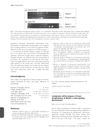
July 2010 in “British Journal of Dermatology” The document suggests a rare skin condition might be caused by a genetic phenomenon.
July 2025 in “Journal of Investigative Dermatology” TRIV-509 quickly improves skin barrier and cell health in atopic dermatitis.
December 2025 in “Materials Technology” The engineered scaffold shows promise for effective skin repair.
 64 citations
,
January 2010 in “The FASEB Journal”
64 citations
,
January 2010 in “The FASEB Journal” Prolactin affects the production of different keratins in human hair, which could lead to new treatments for skin and hair disorders.
265 citations
,
March 1993 in “The EMBO Journal” Keratinocyte growth factor significantly alters skin and tissue development.
30 citations
,
November 1992 in “The Journal of Dermatology” Keratohyalin and trichohyalin proteins help form and organize skin and hair structures.
4 citations
,
November 2022 in “Nutrients” Cow placenta extract has strong antioxidant effects and can delay skin aging in mice.
January 2023 in “Journal of Plastic Surgery and Hand Surgery” Autogenic PRP improves graft viability more than xenogenic PRP, but both are effective.
28 citations
,
September 2020 in “International Journal of Molecular Sciences” Leucocyte-rich platelet-rich plasma boosts cell activity and helps wound healing.