 June 2026 in “Scientific Reports”
 Nestin-expressing hair follicle cells may be useful for nerve repair and regeneration.
 May 2026 in “Discover Chemistry.”
 Bio-degradable polymers can replace petroleum plastics using eco-friendly methods for a sustainable future.

Mechanical surface cues can control macrophage behavior for better immunotherapy and tissue healing.
 March 2026 in “Frontiers in Immunology”
 Regulatory T cells help heal skin wounds by reducing inflammation and promoting tissue repair.
 January 2026 in “Frontiers in Pharmacology”
 Wedelolactone may help treat inflammation, infections, cancer, bone loss, and organ damage.
 January 2026 in “Communications Biology”
 Yak hair follicles adapt to cold through specific gene regulation, enhancing cell growth.
 January 2026 in “International Journal of All Research Education & Scientific Methods”
 Alopecia is caused by various factors, and new treatments like gene editing and regenerative medicine offer hope for personalized hair regrowth solutions.
 January 2026 in “International Journal of Advanced Biochemistry Research”
 The dog improved significantly after treatment and needs lifelong thyroid medication.
 January 2026 in “Journal of Biomedical Research”
 Small extracellular vesicles from stem and immune cells show promise for treating various diseases but face challenges in clinical use.
 December 2025 in “Journal of Ovarian Research”
 Vitamin B6 may help activate dormant follicles.
 December 2025 in “The American Journal of Medical Sciences and Pharmaceutical Research”
 Combining barber scalp care with medical treatment improves scalp health and well-being in early-stage alopecia.
 December 2025 in “International journal of research and scientific innovation”
 Women with PCOS in Nigeria have higher heart risk markers, needing early heart health checks.
 December 2025 in “BMC Medical Genomics”
 Hair follicles can be used to study gene expression and understand conditions like COPD.
 December 2025 in “Aesthetic Cosmetology and Medicine”
 Personalized hair care is essential for healthy hair and scalp.
 November 2025 in “Frontiers in Immunology”
 Immune cells are crucial for normal skin development and their dysfunction can cause skin disorders.
 November 2025 in “Journal of Disease and Public Health”
 Post-COVID-19 syndrome is complex, affects 5%-10% of people, and requires better research and global collaboration for treatment.
 November 2025 in “Archiv für Pathologische Anatomie und Physiologie und für Klinische Medicin”
 Sporadic trichoblastic neoplasms generally don't recur or spread, with one case showing a specific genetic fusion.

Azelaic acid helps with skin pigmentation issues, but its full effects are not completely understood.
 September 2025 in “BULLETIN OF STOMATOLOGY AND MAXILLOFACIAL SURGERY”
 Better supportive care is needed to manage chemotherapy side effects.
 September 2025 in “Drug Design Development and Therapy”
 Combining platelet-rich products, biomaterials, and bioactive substances may improve skin treatment, but more research is needed.
 August 2025 in “Animal Bioscience”
 m6A methylation affects the thickness of Alpine Merino wool fibers.

Hair growth is maintained by specific cell signals.
 January 2025 in “Ege Tıp Bilimleri Dergisi”
 Radiotherapy affects mitochondrial-related genes in metastatic breast cancer cells.
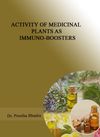
Tridax procumbens may boost the immune system.
 January 2025 in “Annals of Dermatology”
 New treatments for hair loss include low-dose oral minoxidil, light therapy, and innovative therapies targeting hair growth mechanisms.
 January 2025 in “JOURNAL of SIBERIAN MEDICAL SCIENCES”
 Age-related hair loss is linked to changes in blood vessels, stem cells, and aging cells, and understanding these can help keep hair healthy as we age.
 January 2025 in “Universidad de Córdoba Insitutional Repository (Universidad de Córdoba)”
 An imbalanced scalp microbiome may worsen alopecia areata severity and inflammation, but treatment can partially restore balance.
 July 2024 in “ADMET & DMPK”
 Surface-modified nanostructured lipid carriers can improve hair growth treatments.
 January 2024 in “Deleted Journal”
 Essential oils may help hair health but lack strong scientific proof and can cause allergic reactions.
 January 2024 in “Frontiers in immunology”
 Histone modification is key in treating chronic inflammatory skin diseases.