 September 2023 in “F&S reports”
 PCOS may increase the risk of mental health issues like depression and anxiety.
November 2025 in “Dermato” The skin microbiome is crucial for skin health and new treatments like probiotics can improve skin conditions.
 82 citations
,
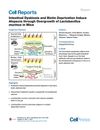
August 2017 in “Cell Reports”
82 citations
,
August 2017 in “Cell Reports” An imbalanced gut and lack of biotin can cause hair loss in mice.
 26 citations
,
December 2019 in “Neurobiology of Stress”
26 citations
,
December 2019 in “Neurobiology of Stress” Post-finasteride syndrome causes lasting sexual, neurological, and physical side effects in some people after taking finasteride.
11 citations
,
November 2021 in “International journal of molecular sciences” Gut microbes significantly affect brain steroid levels.
 4 citations
,
October 2022 in “Genes”
4 citations
,
October 2022 in “Genes” Our microbiome may affect the development of the hair loss condition Alopecia Areata, but more research is needed to understand this relationship.
2 citations
,
June 2025 in “Biomolecules” Microbiome analysis, BEVs, and AI can improve PCOS diagnosis and treatment.
1 citations
,
October 2025 in “EBioMedicine” Women have a higher DHT/testosterone ratio than men, possibly due to gut bacteria activity.
 1 citations
,
January 2023 in “Metabolites”
1 citations
,
January 2023 in “Metabolites” Changes in gut bacteria can contribute to the development of Polycystic Ovary Syndrome (PCOS), affecting metabolism, immunity, and causing inflammation. Treatments may involve adjusting these factors.

Rosacea may be linked to gut and brain issues, not just a skin problem.
 July 2025 in “Journal of Pharmacognosy and Phytochemistry”
 Plant-based therapies, like Aloe Vera and Cinnamon, may help manage PCOS symptoms with fewer side effects.
 June 2022 in “COJ Biomedical Science & Research”
 PCOS management includes lifestyle changes and medications to improve fertility.
185 citations
,
January 2010 in “Experimental Dermatology” Probiotics may help reduce stress-related skin issues and improve hair growth.
Combining nanotechnology with herbal medicine may improve PCOS treatment.
January 2025 in “Dermatology Research and Practice” Restoring skin microbial balance may help treat acne.
 4 citations
,
December 2023 in “PubMed”
4 citations
,
December 2023 in “PubMed” Diet may help manage hidradenitis suppurativa symptoms.
 August 2023 in “Clinical, Cosmetic and Investigational Dermatology”
 Research on the human skin microbiome has grown, focusing on skin health and diseases, with more studies needed on antibiotic resistance and AI applications.
7 citations
,
December 2024 in “Journal of the American Academy of Dermatology” Genetics, hormones, and microbiome changes contribute to hidradenitis suppurativa.
 73 citations
,
April 2019 in “Experimental Dermatology”
73 citations
,
April 2019 in “Experimental Dermatology” The scalp's microorganisms significantly affect hair health and disease.
 May 2026 in “The EMBO Journal”
 Skin aging can be slowed by targeting cells, hormones, and the microbiome.
February 2026 in “Frontiers in Immunology” Skin diseases like acne and psoriasis are linked to stress, gut health, and inflammation, with new treatments focusing on gut and mind-body approaches.
 October 2025 in “Scientia Generalis”
 Balancing gut bacteria may help prevent and treat certain types of hair loss.
 January 2023 in “Discovery immunology”
 T cells and bacteria in the gut and skin help maintain health and protect against disease.
9 citations
,
March 2022 in “Journal of Chemical Information and Modeling” New inhibitors may reduce gut toxicity from cancer drugs.
February 2024 in “International journal of molecular sciences” Type 3 Innate Lymphoid Cells help maintain skin health and balance, and are involved in skin diseases and healing.
Finasteride may cause depression and affect brain and gut health in male rats.
November 2025 in “Scholarly Commons (Embry–Riddle Aeronautical University)” Urban air pollution worsens hair loss in alopecia areata by increasing immune response.
September 2025 in “International Journal of Molecular Sciences” Bacteroides fragilis and Microbacterium sp. T32 may be linked to autoimmune activity in Hashimoto's thyroiditis and alopecia areata.
December 2024 in “Food Bioscience” Limosilactobacillus fermentum MF10 helps hair grow by activating certain cell signals in mice.
380 citations
,
February 2023 in “Journal of Clinical Medicine” PCOS is influenced by various factors and may be managed by restoring gut health and using new therapies.