 489 citations
,
November 2021 in “Signal Transduction and Targeted Therapy”
489 citations
,
November 2021 in “Signal Transduction and Targeted Therapy” The JAK/STAT pathway is important in cell processes and disease, and JAK inhibitors are promising for treating related conditions.
 6 citations
,
October 2017 in “Oncotarget”
6 citations
,
October 2017 in “Oncotarget” Hairless mice are more vulnerable to Listeria infection, but gut microbiota can help reduce damage.
9 citations
,
June 2025 in “Frontiers in Pharmacology” Microneedles improve drug delivery, patient compliance, and have potential in cancer treatment and skin care.
 8 citations
,
March 2020 in “Frontiers in Cell and Developmental Biology”
8 citations
,
March 2020 in “Frontiers in Cell and Developmental Biology” Researchers created immortal human skin cells with constant testosterone receptor activity to study hair loss and test treatments.
 May 2026 in “Journal of the Egyptian Womenʼs Dermatologic Society”
 Higher oxidative stress markers are linked to hair loss in post-COVID-19 patients.
 610 citations
,
April 2014 in “Nature Reviews Immunology”
610 citations
,
April 2014 in “Nature Reviews Immunology” The document concludes that understanding how the skin's immune system and inflammation work is complex and requires more research to improve treatments for skin diseases.
 1 citations
,
March 2023 in “Applied sciences”
1 citations
,
March 2023 in “Applied sciences” Lavender, lemongrass, rosemary, and chamomile essential oils may help protect cells important for hair growth from damage and could promote hair growth.
November 2023 in “IntechOpen eBooks” Arsenic exposure from contaminated water severely damages the skin, causing hair loss, pigmentation changes, irritation, and can lead to skin cancer.
 January 2025 in “Dermatologic Therapy”
 Targeting multiple pathways may improve treatments for androgenetic alopecia.
 July 2025 in “Journal of Cosmetic Dermatology”
 Alternative treatments are needed when Tofacitinib alone fails for alopecia areata.
 4 citations
,
August 2022 in “International Journal of Molecular Sciences”
4 citations
,
August 2022 in “International Journal of Molecular Sciences” Human foreskin does not show aging or reduced cell growth after radiation, and H2A.J is not a good marker for radiation-induced aging.
 May 2026 in “SHILAP Revista de lepidopterología”
 Dupilumab effectively treated severe alopecia areata in a child.
 June 2024 in “Computational and Structural Biotechnology Journal”
 Multi-omics techniques help understand the molecular causes of androgenetic alopecia.
19 citations
,
August 2017 in “American journal of clinical dermatology” Hepatitis B virus exposure may be linked to increased risk of alopecia areata.
3 citations
,
October 2024 in “Experimental Dermatology” Higher CRHR1 levels in AA patients lead to increased inflammation.
High CCL11 levels may indicate poor response to baricitinib in severe alopecia areata.
September 2025 in “International Journal of Molecular Sciences” International guidelines for treating alopecia areata vary, focusing on different treatment options and related health issues.
2 citations
,
May 2024 in “BMC Genomics” Certain genetic changes in the KRT82 gene may cause patchy skin in New Zealand rabbits.
2 citations
,
November 2020 in “BJCP. British journal of clinical pharmacology/British journal of clinical pharmacology” Redefining drug dosages is crucial when repurposing them for new uses.
4 citations
,
May 2020 in “Animals” Prompt veterinary care and accurate diagnosis are crucial for effectively treating rare fungal dermatitis in horses.
 5 citations
,
February 2016 in “Genetic Testing and Molecular Biomarkers”
5 citations
,
February 2016 in “Genetic Testing and Molecular Biomarkers” Hair loss is significantly linked to lower levels of certain genes in hair follicles.
 56 citations
,
May 2021 in “Journal of infection/The Journal of infection”
56 citations
,
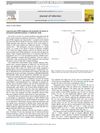
May 2021 in “Journal of infection/The Journal of infection” Most hospitalized COVID-19 patients had long-term symptoms like fatigue and hair loss, with women and those sicker during hospitalization at higher risk.
 65 citations
,
October 2018 in “Frontiers in cellular and infection microbiology”
65 citations
,
October 2018 in “Frontiers in cellular and infection microbiology” Certain bacteria and fungi are linked to healthy scalps and dandruff, suggesting that the scalp's microbial balance affects its health.
 47 citations
,
March 2022 in “Frontiers in cellular and infection microbiology”
47 citations
,
March 2022 in “Frontiers in cellular and infection microbiology” Changes in skin microbes play a role in some skin diseases and could lead to new treatments.
 7 citations
,
March 2019 in “Cancer Epidemiology, Biomarkers & Prevention”
7 citations
,
March 2019 in “Cancer Epidemiology, Biomarkers & Prevention” Finasteride use is not clearly linked to an increased risk of male breast cancer.

Hair follicles can be used to quickly assess drug effects in cancer treatment.
 April 2021 in “Journal of Investigative Dermatology”
 IL-15 helps protect hair follicles from immune attacks and encourages hair growth.
 48 citations
,
January 2018 in “Scientific Reports”
48 citations
,
January 2018 in “Scientific Reports” Hair analysis can reveal metabolic changes and potential pregnancy complications.
 20 citations
,
December 2010 in “JEADV. Journal of the European Academy of Dermatology and Venereology/Journal of the European Academy of Dermatology and Venereology”
20 citations
,
December 2010 in “JEADV. Journal of the European Academy of Dermatology and Venereology/Journal of the European Academy of Dermatology and Venereology” Decreased CD200 in hair follicles may cause immune issues in some alopecia areata cases.
 8 citations
,
November 2022 in “International Journal of Cosmetic Science”
8 citations
,
November 2022 in “International Journal of Cosmetic Science” Human hair varies widely and should be classified by curl type rather than race.