September 2012 in “European journal of psychotraumatology” A new method accurately measures long-term hormone levels in hair.
 1 citations
,
May 2013 in “Journal of the Egyptian Women's Dermatologic Society (Print)”
1 citations
,
May 2013 in “Journal of the Egyptian Women's Dermatologic Society (Print)” Women with idiopathic hirsutism and PCOS have higher RBP4 levels, and PCOS is linked to greater insulin resistance; weight management may help both conditions.
October 2025 in “Nepal Journal of Dermatology Venereology & Leprology” PCOS is the main cause of hirsutism, often linked to insulin resistance.
February 2026 in “Advanced Science” Targeting the p300/AR axis may help treat polycystic ovary syndrome.
1 citations
,
March 2023 in “Healthcare” Helping PCOS patients focus on hope and control can reduce depression.
 56 citations
,
August 2005 in “Journal of Investigative Dermatology Symposium Proceedings”
56 citations
,
August 2005 in “Journal of Investigative Dermatology Symposium Proceedings” Different women's hair and skin glands respond to hormones in varied ways, which can cause unwanted hair growth even with normal hormone levels, and more research is needed to treat this effectively.
 28 citations
,
October 2013 in “Journal of The American Academy of Dermatology”
28 citations
,
October 2013 in “Journal of The American Academy of Dermatology” Ovarian SAHA syndrome makes women with PCOS more resistant to insulin and increases their risk of blood sugar problems.
 June 2024 in “Journal of Cosmetic Dermatology”
 Higher homocysteine levels may inhibit hair growth and are linked to androgenetic alopecia.
April 2025 in “The Journal of Clinical Endocrinology & Metabolism” Hirsutism affects many women and is managed with a combination of medical treatments and hair removal, tailored to individual needs.
 February 2024 in “Malahayati Nursing Journal”
 High androgen levels can cause hirsutism and increase inflammation.
2 citations
,
March 2003 in “Endocrine Practice” The woman's symptoms and tests suggest her adrenal glands are producing too many male hormones.
85 citations
,
January 2014 in “Hormone Research in Paediatrics” Hair cortisol levels in children increase with age but are not affected by gender, puberty, or hair care.
 12 citations
,
August 2011 in “European Journal of Endocrinology”
12 citations
,
August 2011 in “European Journal of Endocrinology” Anti-Müllerian hormone is a specific marker for ovarian issues in women with conditions like PCOS.
 67 citations
,
September 2008 in “Dermatologic therapy”
67 citations
,
September 2008 in “Dermatologic therapy” Hirsutism is excessive hair growth in women often caused by polycystic ovarian syndrome, and identifying the cause is important for managing associated health risks.
January 2026 in “Journal of International Crisis and Risk Communication Research” Young adults need better education and healthcare access for PCOS and IIH.
 January 2025 in “Journal of Clinical Medicine”
 PCOS is the most common cause of hirsutism, and personalized treatment is important.
 29 citations
,
January 2009 in “Gynecological Endocrinology”
29 citations
,
January 2009 in “Gynecological Endocrinology” Women with PCOS have higher levels of certain blood clotting factors, suggesting a greater risk of cardiovascular issues.
 1 citations
,
August 2012 in “Journal der Deutschen Dermatologischen Gesellschaft”
1 citations
,
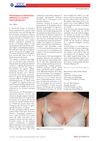
August 2012 in “Journal der Deutschen Dermatologischen Gesellschaft” A woman's hyperandrogenism was caused by a genetic mutation leading to non-classic adrenogenital syndrome.
 September 2015 in “University of Southern Denmark Research Portal (University of Southern Denmark)”
 The guideline offers recommendations for diagnosing and managing PCOS and its complications.
 January 2015 in “International Journal of Research in Medical Sciences”
 A patient with HAIR-AN syndrome, PCOS, and Hashimoto's thyroiditis improved with early diagnosis and treatment to prevent serious health problems.
 16 citations
,
July 2020 in “Health and Quality of Life Outcomes”
16 citations
,
July 2020 in “Health and Quality of Life Outcomes” Women with Polycystic Ovary Syndrome (PCOS) have a lower health-related quality of life, especially those with an anovulatory phenotype, and may need specific interventions to improve it.
 7 citations
,
August 2019 in “Endokrynologia Polska”
7 citations
,
August 2019 in “Endokrynologia Polska” The free androgen index varies among women with different types of PCOS.
 9 citations
,
March 2022 in “Journal of the Endocrine Society”
9 citations
,
March 2022 in “Journal of the Endocrine Society” Girls with PCOS have higher levels of certain androgens, which are linked to excess hair growth, but these androgens don't help diagnose PCOS.
 November 2023 in “International journal of reproduction, contraception, obstetrics and gynecology”
 Polycystic ovary syndrome causes high male hormone levels, leading to symptoms like excess hair, acne, and fertility problems.
May 2025 in “Indian Journal of Obstetrics and Gynecology Research” The Free Androgen Index is important for diagnosing PCOS due to its strong link with symptoms and risk factors.
Skin issues in women with PCOS are linked to hormone imbalances and can help diagnose the condition early.
 2 citations
,
September 2008 in “Fertility and Sterility”
2 citations
,
September 2008 in “Fertility and Sterility” Clinical signs of excess male hormones and actual hormone levels in the blood do not always match in women with polycystic ovary syndrome.
 February 2020 in “Research Square (Research Square)”
 Women with PCOS have worse physical health but similar mental health compared to those without PCOS.
April 2019 in “Faculty Opinions – Post-Publication Peer Review of the Biomedical Literature” PCOS shares similar genetic traits across different diagnosis criteria and is linked to other health conditions.
 November 2025 in “Open Access CRIS of the University of Bern”
 Androgen levels are more linked to body size in boys than girls.