13 citations
,
April 2002 in “International Journal of Toxicology” The safety of placental and umbilical extracts in cosmetics is uncertain, requiring more research.
 1 citations
,
September 2022 in “Journal of dermatological science”
1 citations
,
September 2022 in “Journal of dermatological science” Certain vitamins and their derivatives can help hair grow longer by activating specific growth signals.
 November 2024 in “Applied Sciences”
 Placenta products might help with hair loss, but more research is needed.
 1 citations
,
June 2024 in “European Journal of Dentistry”
1 citations
,
June 2024 in “European Journal of Dentistry” Human placental extract may be better for tooth repair than current materials.

Human placental extract effectively and safely improves melasma, ulcers, and alopecia areata.
 1 citations
,
December 2025 in “Frontiers in Pharmacology”
1 citations
,
December 2025 in “Frontiers in Pharmacology” Placental extracts have antioxidant, anti-inflammatory, and immune-boosting effects, but their exact workings are unclear.

PlacMA hydrogels from human placenta are versatile and useful for cell culture and tissue engineering.
24 citations
,
June 2021 in “Annals of Translational Medicine” Human placental extract may help treat osteoarthritis, but more research is needed.
 May 2026 in “International Journal of Molecular Sciences”
 The new human placental extract may help prevent hair graying and reduce nerve pain from chemotherapy.
 11 citations
,
March 2008 in “Experimental Dermatology”
11 citations
,
March 2008 in “Experimental Dermatology” A substance called compound-1 could help increase hair growth by maintaining prostaglandin levels in hair follicles.
5 citations
,
January 2024 in “Fermentation” The new placenta-derived liquid improves skin moisture better than traditional extracts.
 3 citations
,
January 2000
3 citations
,
January 2000 Some alternative therapies for vitiligo show promise but need more research.
12 citations
,
August 2022 in “Ecotoxicology and Environmental Safety” A new method accurately detects bisphenols and parabens in human hair.
 1 citations
,
September 2022 in “Morphology”
1 citations
,
September 2022 in “Morphology” Human stem cells have diverse sources and potential uses in medicine.
 3 citations
,
January 2016 in “Elsevier eBooks”
3 citations
,
January 2016 in “Elsevier eBooks” Steroid hormones are crucial for body functions and have various medical uses, but their misuse can lead to dependence.
289 citations
,
May 2003 in “Journal of Investigative Dermatology” Human skin can produce steroids from cholesterol.
 17 citations
,
January 2014 in “Stem Cells Translational Medicine”
17 citations
,
January 2014 in “Stem Cells Translational Medicine” Canine epidermal neural crest stem cells could be a promising treatment for spinal cord injuries in dogs.
4 citations
,
September 2024 in “Development” Researchers converted human embryonic stem cells into trophoblast stem cells using specific transcription factors.
 14 citations
,
October 2015 in “PLoS ONE”
14 citations
,
October 2015 in “PLoS ONE” Keratin 14 is uniquely found in a specific group of placental cells.
 111 citations
,
August 2002 in “Journal of Medicinal Chemistry”
111 citations
,
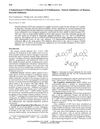
August 2002 in “Journal of Medicinal Chemistry” New compounds were made that block an enzyme linked to breast cancer better than existing treatments.
 48 citations
,
July 1996 in “Human & Experimental Toxicology”
48 citations
,
July 1996 in “Human & Experimental Toxicology” Human enzymes can detoxify harmful substances but might also increase their cancer risk.
 July 2025 in “International Journal of Dermatology Venereology and Leprosy Sciences”
 The human amniotic membrane is a promising material for skin treatments and hair growth.
 305 citations
,
February 2007 in “Hormone and metabolic research”
305 citations
,
February 2007 in “Hormone and metabolic research” Human skin makes sexual hormones that affect hair growth, skin health, and healing; too much can cause acne and hair loss, while treatments can manage these conditions.
 71 citations
,
May 2007 in “The FASEB journal”
71 citations
,
May 2007 in “The FASEB journal” Human hair follicles produce and respond to erythropoietin, helping protect against stress.

Human hair keratins can self-assemble and support cell growth, useful for biomedical applications.
 8 citations
,
November 2020 in “Frontiers in Cell and Developmental Biology”
8 citations
,
November 2020 in “Frontiers in Cell and Developmental Biology” Certain genes are more active in baby scalp cells and can help grow hair when added to adult mouse skin cells.
 724 citations
,
April 2004 in “Lancet Oncology”
724 citations
,
April 2004 in “Lancet Oncology” Chemotherapy in the first trimester of pregnancy is risky, but in the second and third trimesters, it's generally safe with careful drug selection and timing.
 107 citations
,
December 2013 in “International Journal of Dermatology”
107 citations
,
December 2013 in “International Journal of Dermatology” The document concludes that hair is complex, with a detailed growth cycle, structure, and clinical importance, affecting various scientific and medical fields.

The mesenchymal stem cell secretome may effectively treat various diseases as an alternative to traditional stem cell therapies.
 29 citations
,
December 2019 in “Stem Cells Translational Medicine”
29 citations
,
December 2019 in “Stem Cells Translational Medicine” Fully regenerating human hair follicles not yet achieved.