 April 2016 in “Journal of Investigative Dermatology”
 Lymphoid-specific helicase (Lsh) is crucial for skin growth, change, and healing after injury.
26 citations
,
June 2024 in “Frontiers in Immunology” SOCS1 and SOCS3 help control skin inflammation and are important for developing treatments for skin diseases.
 54 citations
,
July 2017 in “Scientific Reports”
54 citations
,
July 2017 in “Scientific Reports” JMJD3 and NF-κB activate Notch1, which is essential for skin cell movement and wound healing.
IL-26 has antimicrobial and pro-inflammatory effects in the chronic skin condition Hidradenitis Suppurativa.
 March 2018 in “Suez Canal University Medical Journal”
 New drugs targeting the JAK-STAT pathway show promise for treating inflammatory skin diseases.
1 citations
,
October 2025 in “PLoS ONE” LncRNA RP11-818O24.3 may help treat hair loss by boosting hair follicle stem cell growth and differentiation.
39 citations
,
December 1998 in “Journal of Cell Science” The LEF-1 binding site enhances gene expression in hair follicles, with other proteins aiding specific regulation.
July 2024 in “Journal of Investigative Dermatology” IL-27 may help prevent hair loss in alopecia areata by promoting immunosuppressive T cells.
3 citations
,
May 2016 in “Dermatopathology” Lrig1 could be a marker for advanced sebaceous carcinoma.
20 citations
,
March 2019 in “Case Reports in Dermatology” IL-17 inhibitors for psoriasis may cause unexpected hair loss.
 3 citations
,
May 2020 in “JAAD Case Reports”
3 citations
,
May 2020 in “JAAD Case Reports” Two patients with psoriasis grew extra hair after using certain psoriasis medications.
8 citations
,
October 2023 in “Frontiers in Immunology” Certain cytokines may cause or be affected by immune skin diseases, suggesting possible new treatments.
4 citations
,
August 2022 in “Cells” lncRNA2919 slows down rabbit hair growth by stopping cell growth and causing cell death.
 2 citations
,
September 2020 in “Journal of Education Health and Sport”
2 citations
,
September 2020 in “Journal of Education Health and Sport” Higher IL-15 levels are linked to more severe hair loss in alopecia areata.
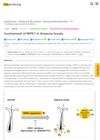
RIPK1 inhibitors might help prevent alopecia areata.
2 citations
,
December 2024 in “Journal of Dermatological Treatment” IL-23 inhibitors may help treat other skin conditions, but more research is needed.
15 citations
,
November 2024 in “Journal of Advanced Research” miR-3606-3p reduces skin fibrosis by blocking key signaling pathways.
 November 2025 in “Frontiers in Immunology”
 Stem cell activity influences autoimmune disease outcomes by affecting immune responses and tissue regeneration.
 December 2022 in “KSBB Journal”
 Activating TLR3 boosts autophagy gene expression in skin cells.
33 citations
,
October 2006 in “European Journal of Immunology” The CD44-CD49d complex boosts T cell activation and survival in autoimmune disease.
 1 citations
,
November 2025 in “Clinical and Experimental Medicine”
1 citations
,
November 2025 in “Clinical and Experimental Medicine” lncRNAs are important for understanding and treating skin diseases.
July 2024 in “Journal of Investigative Dermatology” INTASYL is a promising, adaptable RNAi technology for treating skin cancers.
Alopecia areata patients have higher levels of certain immune receptors, suggesting new treatment possibilities.
2 citations
,
December 2024 in “Gene Reports” Higher IL-37 levels are linked to more severe alopecia areata, but the gene variation doesn't affect disease risk.
November 2025 in “Journal of Investigative Dermatology” Certain immune cells in atopic dermatitis skin could be targeted for treatment.
 72 citations
,
November 2012 in “PloS one”
72 citations
,
November 2012 in “PloS one” The protein folliculin, involved in a rare disease, works with another protein to control how cells stick together and their organization, and changes in this interaction can lead to disease symptoms.
 9 citations
,
May 2005 in “Expert Review of Clinical Immunology”
9 citations
,
May 2005 in “Expert Review of Clinical Immunology” Blocking interferon-gamma might help treat various autoimmune diseases.
22 citations
,
May 2011 in “Molecular Biology of the Cell” Integrin-linked kinase is crucial for normal skin healing.
July 2026 in “Nature Communications” CXCR3+ T cells and B cells drive skin disease and hair loss in lupus, with potential targets identified for treatment.
 13 citations
,
June 2018 in “Journal of histochemistry and cytochemistry/The journal of histochemistry and cytochemistry”
13 citations
,
June 2018 in “Journal of histochemistry and cytochemistry/The journal of histochemistry and cytochemistry” Laminin-511 may contribute to psoriasis by affecting skin cell growth and survival.