 January 2025 in “ARC Journal of Dermatology”
 Vaping may harm skin health by causing inflammation.
 January 2025 in “The Pharma Innovation”
 Millets support sustainable development by improving nutrition, aiding climate resilience, and boosting economic viability, especially for Indian farmers.
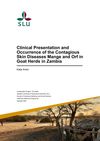 January 2025 in “Epsilon Archive for Student Projects (University of Southampton)”
 Mange and orf are present in some goat herds in Zambia, but more research is needed.
 January 2025 in “International Research Journal of Innovations in Engineering and Technology”
 PRP shows promise in healing but needs standardization for better results.

COVID-19 pneumonia may cause lasting lung damage like fibrosis.
 October 2024 in “Irish Journal of Medical Science (1971 -)”
 Electrical stimulation with a low-calorie diet reduces appetite, weight, and blood pressure in obese people with sleep apnea.
 October 2024 in “Irish Journal of Medical Science (1971 -)”
 Continuous glucose monitoring and GLP-1 receptor agonists improve diabetes management, but personalized care and education are crucial.
 October 2024 in “Frontiers in Oncology”
 Keratin 18 helps diagnose and predict cancer progression and affects cancer growth and spread.

Gender-specific analysis could improve treatment for childhood systemic lupus erythematosus.
 April 2024 in “Frontiers in cellular and infection microbiology”
 Blue light might help treat skin conditions by affecting the skin's bacteria.
 January 2024 in “Wiadomości Lekarskie”
 AI and robotics are improving treatment and monitoring of neurodegenerative disorders like Parkinson's.
 January 2024 in “Wiadomości Lekarskie”
 Urban children in western Belarus had more severe COVID-19 cases in 2021.
 January 2024 in “Wiadomości Lekarskie”
 New markers can detect tumors, aid drug delivery, and treat cancer effectively and safely.
 January 2024 in “Wiadomości Lekarskie”
 AI can help diagnose Follicular Lymphoma by accurately identifying specific cell types.
 January 2024 in “Wiadomości Lekarskie”
 Point of Care in radiology speeds up diagnosis and treatment by performing tests where the patient is.
 January 2024 in “Wiadomości Lekarskie”
 Using a protocol with LH improves pregnancy rates in patients with low ovarian reserve.
 January 2024 in “Wiadomości Lekarskie”
 AI improves vascular surgery by enhancing diagnostics, planning, and monitoring.
 January 2024 in “Wiadomości Lekarskie”
 AI and advanced technologies are improving medical diagnostics and treatments.
 January 2024 in “Wiadomości Lekarskie”
 Male sperm disorders significantly contribute to infertility.
 January 2024 in “Wiadomości Lekarskie”
 Augmented reality improves vascular surgery by reducing risks and operation times.
 January 2024 in “Wiadomości Lekarskie”
 Influencers impact medical communication both positively and negatively.
 January 2024 in “Wiadomości Lekarskie”
 Pemigatinib may be effective for treating ZMYM2::FGFR1 fusion-positive leukemia.
 January 2024 in “Wiadomości Lekarskie”
 Glioma treatment may improve with new therapies and technologies.
 January 2024 in “Wiadomości Lekarskie”
 AI and new therapies show promise in medicine, especially for cancer and regenerative treatments.
 January 2024 in “Wiadomości Lekarskie”
 AI in heart scans improves diagnosis and treatment but has risks like misdiagnosis and high costs.
 January 2024 in “Wiadomości Lekarskie”
 Structured prevention strategies and Brain Health Clinics can help prevent Alzheimer's.
 January 2024 in “Wiadomości Lekarskie”
 The Polish Medical Association in Chicago effectively supported the Polish community during COVID-19.
 January 2024 in “Wiadomości Lekarskie”
 Advanced care at home is shaping the future of hospital medicine.
 January 2024 in “Wiadomości Lekarskie”
 Effective epilepsy management involves accurate diagnosis, understanding seizure types, identifying causes, and choosing the right treatment.
 January 2024 in “Wiadomości Lekarskie”
 AI is transforming healthcare by improving diagnostics and therapy, despite challenges with data and trust.