 May 2024 in “Journal of drug delivery science and technology”
 Exosomes show promise for treating skin diseases and improving skin regeneration.
110 citations
,
April 2020 in “Advances in Wound Care” Nanotechnology shows promise for better chronic wound healing but needs more research.
81 citations
,
March 2022 in “Frontiers in Bioengineering and Biotechnology” Bioengineered scaffolds help heal skin wounds, but perfect treatments are still needed.
13 citations
,
January 2024 in “Journal of Nanobiotechnology” The new wound dressing improves healing and tissue repair better than conventional dressings.
8 citations
,
July 2025 in “Gels” Functionalized hydrogels can help heal tissues and fight infections by delivering beneficial bacteria and antimicrobials.
5 citations
,
December 2023 in “Materials” Organic and biogenic nanocarriers can improve drug delivery but face challenges like consistency and safety.
4 citations
,
August 2025 in “Journal of Food Science” Tremella fuciformis polysaccharide has many health benefits and potential uses in food, medicine, and cosmetics.
4 citations
,
May 2025 in “International Journal of Nanotechnology and Nanomedicine” Nanocarriers show promise for improving skin drug delivery in treating skin conditions.
 3 citations
,
June 2023 in “MedComm”
3 citations
,
June 2023 in “MedComm” Stem cells and their exosomes show promise for repairing tissues and healing wounds when delivered effectively, but more research is needed on their tracking and optimal use.
2 citations
,
September 2025 in “Frontiers in Nutrition” Aloe vera is effective for healing, skin, and health due to its beneficial compounds.
1 citations
,
February 2026 in “ACS Nano” The TLMG hydrogel improves wound healing and monitoring with strong adhesion and conductivity.
1 citations
,
November 2023 in “Polymers” Polyurethane dressings show promise for wound healing but need improvements to adapt better to the healing process.
 April 2026 in “Nanomaterials”
 Plant-derived vesicles from Ayurvedic plants may improve treatment delivery for hair growth and other conditions.
 March 2026 in “Journal of Nanobiotechnology”
 A new microneedle treatment can effectively repigment skin in vitiligo.
December 2025 in “Sensors” Microneedles in wearables can deliver drugs over time but face challenges in manufacturing and safety.
August 2025 in “Acta Biomaterialia” The new hydrogel speeds up wound healing by reducing inflammation and promoting tissue growth.
 December 2024 in “International Journal of Molecular Sciences”
 Human umbilical cord stem cell vesicles may help treat aging and related diseases.
 October 2023 in “Biomaterials”
 Nanotechnology could improve hair regrowth but faces challenges like complexity and safety concerns.
44 citations
,
April 2021 in “Frontiers in Cell and Developmental Biology” MSC-derived exosomes may help in skin repair and regeneration.
2 citations
,
November 2025 in “Cells” Adipose-derived stem cell secretome is a promising and effective treatment for skin repair.
April 2024 in “International journal of molecular sciences” Combination pharmacotherapy is generally more effective for treating keloids and hypertrophic scars.
 16 citations
,
October 2023 in “Molecular cancer”
16 citations
,
October 2023 in “Molecular cancer” New treatments like nanotechnology show promise in improving skin cancer therapy.
8 citations
,
November 2023 in “Frontiers in Bioengineering and Biotechnology” Combining metals and herbs in microneedles can improve wound healing.
6 citations
,
January 2025 in “Molecules” Combining polymers and lipids may improve antioxidant delivery for wound healing, but practical challenges remain.
 2 citations
,
December 2023 in “Advanced science”
2 citations
,
December 2023 in “Advanced science” Glycosaminoglycans help heal wounds but aren't yet ready for clinical use.
February 2026 in “Health Science Reports” Understanding acne medication chemistry helps doctors treat acne better.
 8 citations
,
October 2022 in “International Journal of Molecular Sciences”
8 citations
,
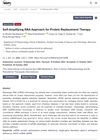
October 2022 in “International Journal of Molecular Sciences” Self-amplifying RNA could be a better option for protein replacement therapy with lower doses and lasting effects, but delivering it into cells is still challenging.
 3 citations
,
May 2023 in “International Journal of Molecular Sciences”
3 citations
,
May 2023 in “International Journal of Molecular Sciences” A new treatment using nanoparticles can effectively prevent and reduce hair loss caused by chemotherapy.
1 citations
,
July 2024 in “International Journal of Molecular Sciences” Effective delivery systems are crucial for siRNA hair loss treatments to work better.
8 citations
,
August 2022 in “Pharmaceutics” Erythrocyte-anchored nanoparticles improved Cepharanthine delivery and effectiveness for treating acute lung injury.