 1 citations
,
June 2010 in “Mayo Clinic Proceedings”
1 citations
,
June 2010 in “Mayo Clinic Proceedings” The conclusion is that individualized treatment and proper medication use are crucial in men's health, with specific recommendations for ED, BPH, and prostate cancer management.
Monocyclic aromatic compounds are important for developing various drugs and treatments.
 June 2026 in “Discover Immunity.”
 Mesenchymal stem cells help improve skin healing and rejuvenation.
 May 2026 in “International Journal of Drug Delivery Technology”
 PRP therapy shows promise for tissue repair but needs personalized approaches and faces challenges like quality variability and side effects.
 April 2026 in “Nowotwory Journal of Oncology”
 Aesthetic treatments can safely improve cancer patients' quality of life with oncologist approval.
 April 2026 in “DiRROS repository (University of Maribor)”
 MSC-derived EVs have potential as therapeutic agents but face challenges like production complexity and high costs.
 April 2026 in “Journal of Education Health and Sport”
 Anabolic-androgenic steroid use in active men can cause serious health issues, especially affecting the heart, hormones, and mental health.
 April 2026 in “Frontiers in Pharmacology”
 Erzhi Pill shows promise for health issues but needs better quality control and clearer usage guidelines.
 April 2026 in “Journal of Education Health and Sport”
 Invasive treatments can improve hair growth, but effectiveness varies and more research is needed.
 April 2026 in “International Journal of Clinical Case Reports and Reviews”
 A new non-invasive laser system improves chronic disease management and metabolic health.
 April 2026 in “Portuguese Journal of Dermatology and Venereology”
 COVID-19 and its vaccines can cause various skin issues due to viral effects, immune responses, and stress.
 March 2026 in “Frontiers in Pharmacology”
 Taxifolin, found in onions and milk thistle, has health benefits but needs more research for safe use.
 March 2026 in “Clinical and Experimental Medicine”
 Extracellular vesicles are important for disease treatment and monitoring.
 March 2026 in “Dermatology and Therapy”
 Distinct miRNA signatures could help diagnose and treat severe Alopecia Areata.
 March 2026 in “Folia Histochemica et Cytobiologica”
 LTBP1 is a key regulator in diseases and a potential target for new treatments.
 January 2026 in “Frontiers in Pharmacology”
 Wedelolactone may help treat inflammation, infections, cancer, bone loss, and organ damage.
Including ineffective or unsafe doses in reviews can lead to misleading conclusions about alopecia areata treatments.
 January 2026 in “Frontiers in Medicine”
 Alopecia areata in Taiwan has a high disease burden and needs better research and diagnostic criteria.
 January 2026 in “In Vivo”
 People with hidradenitis suppurativa have a higher risk of kidney stones.
 January 2026 in “Journal of Biomedical Research”
 Small extracellular vesicles from stem and immune cells show promise for treating various diseases but face challenges in clinical use.
 December 2025 in “Cureus”
 Using 5α-reductase inhibitors for hair loss may increase the risk of dry eye disease.
 December 2025 in “International journal of research and scientific innovation”
 Women with PCOS in Nigeria have higher heart risk markers, needing early heart health checks.
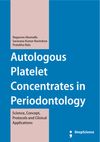
Autologous platelet concentrates help heal and regenerate dental tissues.
 December 2025 in “International Journal of Medicine and Public Health”
 Overt hyperthyroidism is the most common thyroid disorder, especially in women.
 November 2025 in “IECCMEXICO”
 Regenerative therapies are improving aesthetic surgery by enhancing tissue quality and healing.
 October 2025 in “Indian Journal of Plastic Surgery”
 Stem cells show promise in anti-aging and reconstructive surgery, but more research is needed.
 October 2025 in “Pielegniarstwo XXI wieku / Nursing in the 21st Century”
 Oral contraceptives can effectively treat acne by reducing oil production.
 September 2025 in “Medical Materials Research”
 Microneedles offer a painless, precise, and versatile method for drug delivery and disease treatment.
Human placental extract effectively and safely improves melasma, ulcers, and alopecia areata.

Human hair follicle stem cells improved memory and brain health in rats.