 5 citations
,
January 2021 in “Journal of Saudi Chemical Society”
5 citations
,
January 2021 in “Journal of Saudi Chemical Society” Watercress oil may promote hair growth by activating specific receptors.
 10 citations
,
August 2024 in “Clinical Cosmetic and Investigational Dermatology”
10 citations
,
August 2024 in “Clinical Cosmetic and Investigational Dermatology” Natural ingredients may help reduce skin aging by protecting cells and boosting collagen.
 10 citations
,
December 2017 in “Chemosphere”
10 citations
,
December 2017 in “Chemosphere” Bisphenol-A (BPA) increases connections between brain cells and boosts their activity, but it blocks the effects of a male hormone on brain cell plasticity.
 June 2018 in “Biomedical Journal of Scientific & Technical Research”
 Cells can change to help heal wounds better.
 295 citations
,
March 2016 in “Life Sciences”
295 citations
,
March 2016 in “Life Sciences” Air pollution worsens skin diseases and aging by causing inflammation and oxidative stress.
 125 citations
,
May 2019 in “Phytomedicine”
125 citations
,
May 2019 in “Phytomedicine” Cepharanthine is a well-tolerated drug with multiple medical uses, including anti-inflammatory and anti-cancer properties.
 54 citations
,
April 2020 in “Experimental & Molecular Medicine”
54 citations
,
April 2020 in “Experimental & Molecular Medicine” Cox-2 significantly contributes to the development and progression of skin and esophageal cancers.
 34 citations
,
October 2024 in “Clinical Cosmetic and Investigational Dermatology”
34 citations
,
October 2024 in “Clinical Cosmetic and Investigational Dermatology” Azelaic acid is effective for treating rosacea, acne, and melasma.
 25 citations
,
November 2014 in “Ageing Research Reviews”
25 citations
,
November 2014 in “Ageing Research Reviews” Skin aging is caused by stem cell damage and can potentially be delayed with treatments like antioxidants and stem cell therapy.
 19 citations
,
July 2018 in “Mechanisms of Ageing and Development”
19 citations
,
July 2018 in “Mechanisms of Ageing and Development” Eating less can slow aging and help keep stem cells healthy by cleaning out damaged cell parts.
 May 2026 in “Scientific Reports”
 Overexpression of LRIG3 in skin causes hair loss.
 3 citations
,
July 2021 in “Life science alliance”
3 citations
,
July 2021 in “Life science alliance” PNKP is essential for keeping adult mouse progenitor cells healthy and growing normally.
22 citations
,
August 1999 in “Mechanisms of Development” Pmg-1 and Pmg-2 are new genes important for skin and mammary gland development.
47 citations
,
September 2004 in “Journal of Biological Chemistry” Hoxc13 regulates specific hair protein genes on mouse chromosome 16.
 November 2023 in “The journal of investigative dermatology/Journal of investigative dermatology”
 Removing MCPIP1 from myeloid cells in mice leads to hair loss and prevents skin tumors but causes pigmented spots.
 January 1999 in “Journal of the European Academy of Dermatology and Venereology”
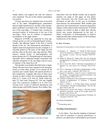
 RAPK is a rare skin disorder with pigmented spots, mainly on hands and feet, starting in youth.
May 2005 in “Molecular Carcinogenesis” mrp/plf-mRNA can indicate tumor-promoting effects in skin.
 92 citations
,
January 2012 in “International Journal of Biological Sciences”
92 citations
,
January 2012 in “International Journal of Biological Sciences” The document introduced a new naming system for keratin-associated proteins to improve clarity and communication across species.
19 citations
,
May 2001 in “Endocrinology” Mrp3 may aid in wound healing and hair growth.
34 citations
,
May 2001 in “Endocrinology” Mrp3 helps in wound healing and hair growth.
2 citations
,
May 2024 in “BMC Genomics” Certain genetic changes in the KRT82 gene may cause patchy skin in New Zealand rabbits.
 27 citations
,
June 2005 in “The journal of investigative dermatology/Journal of investigative dermatology”
27 citations
,
June 2005 in “The journal of investigative dermatology/Journal of investigative dermatology” The study found that variations in hair protein genes are likely due to evolutionary deletions or duplications.
 10 citations
,
September 1997 in “Molecular carcinogenesis”
10 citations
,
September 1997 in “Molecular carcinogenesis” Mirex seems to promote a unique group of skin cells different from those affected by another tumor promoter, TPA.
 1 citations
,
January 2023 in “Biochemical and biophysical research communications”
1 citations
,
January 2023 in “Biochemical and biophysical research communications” Keratin 79 is linked to liver damage and may help diagnose liver diseases.
 98 citations
,
June 2001 in “Journal of biological chemistry/The Journal of biological chemistry”
98 citations
,
June 2001 in “Journal of biological chemistry/The Journal of biological chemistry” A cluster of sulfur-rich hair protein genes was found on chromosome 17.
22 citations
,
July 1998 in “Journal of Investigative Dermatology” The 4C32 gene may help in mouse skin development and differentiation.
 62 citations
,
January 2004 in “The journal of investigative dermatology/Journal of investigative dermatology”
62 citations
,
January 2004 in “The journal of investigative dermatology/Journal of investigative dermatology” A second domain of high sulfur KAP genes on chromosome 21q23 is crucial for hair structure.
58 citations
,
July 2005 in “Molecular and Cellular Biology” A specific gene segment can make mouse skin cells glow, helping study hair growth and gene effects.
53 citations
,
June 2005 in “The journal of investigative dermatology/Journal of investigative dermatology” KAP genes show significant genetic variability, but its impact on hair traits is unclear.
2 citations
,
October 2025 in “Cells” PKM2 is a promising target for heart repair and regeneration.