Microneedle technology is effective for skin rejuvenation and enhancing cosmeceutical delivery, with ongoing innovation and increasing commercialization.
 131 citations
,
May 2015 in “Experimental Dermatology”
131 citations
,
May 2015 in “Experimental Dermatology” Microneedles help improve skin appearance and deliver skin treatments effectively, but safety concerns need more research and regulation.
April 2024 in “Cosmetics” Microneedling improves skin and hair conditions by enhancing treatment absorption and stimulating growth factors.
January 1982 in “Clinical Cosmetic and Investigational Dermatology” Familial dyskeratotic comedones are a rare, inherited skin condition that is hard to treat but may improve slightly with topical retinoids and urea cream.
2 citations
,
February 2023 in “Anais Brasileiros de Dermatologia”  March 2005 in “Journal of The American Academy of Dermatology”
 Mycophenolate mofetil improved skin condition in a man with nephrogenic fibrosing dermopathy.
November 2024 in “Journal of Investigative Dermatology” 1 citations
,
July 2023 in “Clinical Cosmetic and Investigational Dermatology” Familial dyskeratotic comedones are a rare, benign skin disorder that is hard to treat.
 35 citations
,
October 2017 in “Signal Transduction and Targeted Therapy”
35 citations
,
October 2017 in “Signal Transduction and Targeted Therapy” Fibromodulin treatment helps reduce scarring and improves wound healing by making it more like fetal healing.
1 citations
,
May 2024 in “Journal of Dermatological Science” Injecting specific cells into the skin can help improve skin structure and reduce blisters in a genetic skin disorder.
 32 citations
,
February 2008 in “Journal of the American Academy of Dermatology”
32 citations
,
February 2008 in “Journal of the American Academy of Dermatology” KFSD is a genetic disorder causing hair loss and skin issues, with no effective treatment.
 32 citations
,
March 2014 in “PLOS ONE”
32 citations
,
March 2014 in “PLOS ONE” Mice lacking fibromodulin have disrupted healing patterns, leading to abnormal skin repair and scarring.
 1 citations
,
May 2024 in “Advanced Functional Materials”
1 citations
,
May 2024 in “Advanced Functional Materials” The artificial skin promotes better wound healing and skin regeneration.
 1 citations
,
April 2017 in “Journal of Investigative Dermatology”
1 citations
,
April 2017 in “Journal of Investigative Dermatology” D-OCT shows increased blood vessel growth in response to tissue damage in Frontal Fibrosing Alopecia and is useful for diagnosis and monitoring.
 January 2012 in “Journal of Investigative Dermatology”
 Small molecule DMF improves psoriasis and multiple sclerosis, adult skin cells can be made to grow new hair, certain skin cells initiate hair growth, IL-17C controls gut health and can cause skin inflammation, and skin cells produce IL-17 that can lead to psoriasis.
September 2023 in “JEADV Clinical Practice” Dermoscopy helps diagnose folliculotropic mycosis fungoides by identifying specific skin patterns.
July 2023 in “Media Dermato Venereologica Indonesiana” Accurate diagnosis of RDEB-mitis in older adults is crucial for proper management without immunosuppressants.
September 2017 in “Journal of Investigative Dermatology” RCS-01 is safe and may help rejuvenate aging skin.
 January 2026 in “Dermatology and Therapy”
 UVFD can help doctors better identify harmful skin lesions on the face, reducing unnecessary biopsies.
 May 2026 in “Journal of the Egyptian Womenʼs Dermatologic Society”
 Microneedling radiofrequency improves skin texture and tone by stimulating collagen and elastin.
 May 2024 in “Indian Journal of Dermatology”
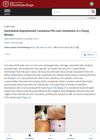
 The woman has a rare skin condition called follicular Dowling-Degos disease, which has limited treatment options.
10 citations
,
August 2023 in “The EMBO Journal” Kdm6b is crucial for skin cell differentiation.
January 2026 in “Journal of Biomaterials Applications” Fish skin-derived material helps diabetic wounds heal faster than current options.
 July 2026 in “Lasers in Medical Science”
 Fractional microneedle radiofrequency is effective and safe for skin rejuvenation and acne scars.
 April 2023 in “Journal of Investigative Dermatology”
 Dimethyl fumarate speeds up wound healing in IL-36Ra deficient mice by reducing NET formation and oxidative stress.
35 citations
,
January 2008 in “American Journal of Clinical Dermatology” KFSD can be linked to acne keloidalis nuchae and tufted hair folliculitis.
 54 citations
,
January 1983 in “Archives of Dermatology”
54 citations
,
January 1983 in “Archives of Dermatology” KFSD is a rare condition causing scarring hair loss, with no effective treatment known at the time of the report.
 168 citations
,
August 2000 in “American Journal of Pathology”
168 citations
,
August 2000 in “American Journal of Pathology” Fibromodulin might help reduce scarring if increased in adult wounds like in fetal skin that heals without scars.
 May 2026 in “International Journal of Drug Delivery Technology”
 Accurate diagnosis of EFFC is crucial for effective counseling and cosmetic care.
5 citations
,
April 2017 in “The journal of investigative dermatology/Journal of investigative dermatology” The gene therapy showed significant wound healing and was safe for treating severe RDEB.