 February 2026 in “International Journal of Web of Multidisciplinary Studies”
 Restoring microbial balance and using exosome therapies may help treat hair disorders like alopecia and acne.
October 2025 in “Burns & Trauma” Engineered probiotics can help heal wounds faster, especially in diabetic foot ulcers.
 October 2025 in “Progress In Microbes & Molecular Biology”
 PCOS is linked to gut bacteria changes, suggesting gut-focused treatments might help.
 March 2021 in “Actas Dermo-Sifiliográficas”
 The microbiome may be linked to hair loss and could be a target for new treatments.
 July 2025 in “International Journal of Pharmaceutical Research and Development”
 Exosomes can improve skin treatments with fewer side effects.
 26 citations
,
October 2017 in “Clinical Reviews in Allergy & Immunology”
26 citations
,
October 2017 in “Clinical Reviews in Allergy & Immunology” Autoimmune liver diseases are likely linked to certain skin conditions like vitiligo and psoriasis.
 12 citations
,
June 2021 in “Scientific Reports”
12 citations
,
June 2021 in “Scientific Reports” Curcumin may help reverse aging by targeting specific genes.
 47 citations
,
September 2023 in “Pharmacological Reports”
47 citations
,
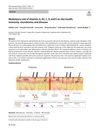
September 2023 in “Pharmacological Reports” Vitamins A, B3, C, D, and E can improve skin health and immunity.
 4 citations
,
January 2025 in “Frontiers in Pharmacology”
4 citations
,
January 2025 in “Frontiers in Pharmacology” Multiomics helps understand and improve skin healing and repair.
 1 citations
,
November 2025 in “Clinical and Experimental Medicine”
1 citations
,
November 2025 in “Clinical and Experimental Medicine” lncRNAs are important for understanding and treating skin diseases.
 April 2024 in “Frontiers in pharmacology”
 Cynoglossum amabile has medicinal potential but poses safety concerns due to liver toxicity.
 59 citations
,
June 2022 in “Frontiers in medicine”
59 citations
,
June 2022 in “Frontiers in medicine” There are still challenges in diagnosing and treating chronic skin diseases, but there is hope for future improvements.
 17 citations
,
September 2024 in “The Indian Journal of Medical Research”
17 citations
,
September 2024 in “The Indian Journal of Medical Research” Long COVID can cause long-lasting symptoms, but vaccination and early treatment can help prevent it.
3 citations
,
October 2023 in “Journal of Pain” Certain proteins might predict surgical success in trigeminal neuralgia treatment.
15 citations
,
October 2024 in “Nutrients” A plant-based diet and certain probiotics may improve skin health and reduce inflammation.
 6 citations
,
May 2022 in “Frontiers in Microbiology”
6 citations
,
May 2022 in “Frontiers in Microbiology” Marine microbes could be used in cosmetics for sun protection, skin care, and possibly preventing hair loss.
21 citations
,
March 2023 in “Journal of Crohn s and Colitis” Microvascular damage and platelet issues persist in ulcerative colitis remission, helping assess disease states.
August 2025 in “BMC Pharmacology and Toxicology” The LTF gene may help predict and manage nonspecific orbital inflammation.
4 citations
,
July 2023 in “Frontiers in Microbiology” HGF combined with ADA is highly accurate for diagnosing tuberculous pleural effusion, especially in younger females.
2 citations
,
November 2025 in “International Journal of Molecular Sciences” Balancing good and harmful microbes is key to healing chronic wounds.
1 citations
,
October 2025 in “EBioMedicine” Women have a higher DHT/testosterone ratio than men, possibly due to gut bacteria activity.
17 citations
,
June 2023 in “Pharmaceuticals” Inflammasome proteins may help diagnose and treat Parkinson's disease.
3 citations
,
January 2025 in “Journal of Research in Medical Sciences” Intermittent fasting, with or without probiotics, doesn't improve inflammation or stress markers in women with PCOS compared to calorie restriction.
9 citations
,
May 2025 in “Stem Cell Research & Therapy” Extracellular vesicles can both worsen and help treat age-related diseases and are useful for early diagnosis.
319 citations
,
March 2023 in “Science Advances” A wearable patch speeds up healing of chronic wounds by monitoring and treating them.
22 citations
,
April 2020 in “Frontiers in Cellular and Infection Microbiology” Alopecia areata may be linked to scalp microbiome differences, suggesting potential treatments with prebiotics, probiotics, and postbiotics.
18 citations
,
October 2024 in “Medical Science Monitor” Improving skin barrier function is crucial for better acne treatment.
 4 citations
,
October 2022 in “Genes”
4 citations
,
October 2022 in “Genes” Our microbiome may affect the development of the hair loss condition Alopecia Areata, but more research is needed to understand this relationship.
 3 citations
,
August 2021 in “The Open Dermatology Journal”
3 citations
,
August 2021 in “The Open Dermatology Journal” The herbal hair serum improves hair quality and growth, and is a good alternative to traditional cosmetics because it doesn't contain harmful chemicals like parabens and sulphates.
February 2026 in “Frontiers in Immunology” Skin diseases like acne and psoriasis are linked to stress, gut health, and inflammation, with new treatments focusing on gut and mind-body approaches.