 February 2026 in “Chinese Medicine”
 Natural products might help treat hair greying.
 January 2026 in “Annals of Clinical Endocrinology and Metabolism”
 Restoring NAD⁺ may help with aging and chronic diseases, but more research is needed.
 January 2026 in “Frontiers in Medicine”
 Acupuncture reduces anxiety and depression in women with PCOS.

Understanding hair follicle signaling can improve hair disorder treatments.
 December 2025 in “International Journal of Research in Ayurveda and Pharmacy”
 Ayurvedic treatment successfully regrew hair in a 19-year-old with alopecia areata in 2 months.
 December 2025 in “Aesthetic Cosmetology and Medicine”
 Personalized hair care is essential for healthy hair and scalp.
 November 2025 in “Nanoscale Advances”
 Inorganic nanoparticle-based scaffolds can improve wound healing by fighting bacteria and helping tissue grow.
 November 2025 in “Frontiers in Endocrinology”
 Apigenin and ellagic acid may help manage PCOS symptoms.
 November 2025 in “Journal of Multidisciplinary Healthcare”
 Combining fire needle therapy with doxycycline improves severe acne more than doxycycline alone.
 September 2025 in “Frontiers in Genetics”
 The method effectively extracts high-quality DNA from marmoset hair, avoiding blood chimerism.
 September 2025 in “Clinical Cosmetic and Investigational Dermatology”
 Moderate exercise improves skin health, but intense exercise without protection can harm it.
 August 2025 in “International Journal of Advanced Research in Science Communication and Technology”
 Herbal shampoo cleans and improves hair without harmful effects.
 July 2025 in “JUNIOR RESEARCHERS”
 Wearing masks has increased skin issues like acne and eczema, especially in women and young people.
 June 2025 in “Saratov Medical Journal”
 Ongoing research and innovation are crucial for improving skin care and treatment.

Finasteride can cause long-term side effects like sexual dysfunction and depression.
January 2025 in “Multimedialen Archiv und Publikationsserver der Christian-Albrechts-Universität zu Kiel (Christian-Albrechts-Universität zu Kiel)” Oxidized LDL reduces cell growth but affects stem cell differentiation less negatively than cytokine-induced inflammation.
 January 2025 in “International Journal of Herbal Medicine”
 Herbs like neem, tulsi, and tea tree oil may treat dandruff without side effects.
 January 2025 in “Epsilon Archive for Student Projects (University of Southampton)”
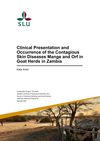
 Mange and orf are present in some goat herds in Zambia, but more research is needed.
 December 2024 in “African Journal of Biomedical Research”
 Combining lifestyle changes and medication is most effective for managing PCOS symptoms.
 April 2024 in “Cell death and disease”
 Long COVID causes various long-term health issues and needs better awareness and treatment.
 April 2024 in “International journal of women's health”
 Adult female acne is a complex condition that can worsen with menopause, requiring holistic treatment and tailored skincare at different life stages.
 February 2024 in “International Journal of Health and Pharmaceutical”
 Black rice extract ointment significantly promotes hair growth in Wistar rats.
 January 2024 in “Journal of neurogastroenterology and motility”
 Quadruple-coated probiotics significantly improve IBS symptoms.
 October 2023 in “Biomedical science and engineering”
 Innovative methods are reducing animal testing and improving biomedical research.
 October 2023 in “Frontiers in endocrinology”
 Effective PCOS treatments require targeting specific signaling pathways.
 October 2023 in “bioRxiv (Cold Spring Harbor Laboratory)”
 A protein called EGFR protects hair follicle stem cells, and when it's disrupted, hair follicles can be damaged, but blocking certain pathways can restore hair growth.

Bee pollen, green tea, essential oils, and various plant extracts improve skin and hair health.
 July 2023 in “Research Square (Research Square)”
 Certain gut bacteria may protect against alopecia areata, while others may increase the risk.
 January 2023 in “International Journal of Pharmaceutical Research and Development”
 Nanotechnology therapies can help improve quality of life for those with hair loss.
 November 2022 in “Journal of Education, Health and Sport”
 The skin's bacteria might influence the development of a hair loss condition called alopecia areata.