 36 citations
,
June 2019 in “eLife”
36 citations
,
June 2019 in “eLife” The study developed a tool to predict how gut microbes process foods and drugs, showing that similar compounds often share metabolic pathways and effects.
 14 citations
,
January 2018 in “Advances in Clinical Chemistry”
14 citations
,
January 2018 in “Advances in Clinical Chemistry” The document concludes that hormonal biomarkers are key for diagnosing hyperandrogenemia in women and hypogonadism in men.
8 citations
,
July 2025 in “Gels” Functionalized hydrogels can help heal tissues and fight infections by delivering beneficial bacteria and antimicrobials.
2 citations
,
November 2025 in “International Journal of Molecular Sciences” Balancing good and harmful microbes is key to healing chronic wounds.
2 citations
,
June 2025 in “Biomolecules” Microbiome analysis, BEVs, and AI can improve PCOS diagnosis and treatment.
 1 citations
,
December 2023 in “npj biofilms and microbiomes”
1 citations
,
December 2023 in “npj biofilms and microbiomes” Single-cell engineered biotherapeutics show promise for skin treatment but need more research and trials.
 May 2026 in “The EMBO Journal”
 Skin aging can be slowed by targeting cells, hormones, and the microbiome.
 February 2026 in “Probiotics and Antimicrobial Proteins”
 Modifying gut bacteria with pro- and postbiotics may help treat hair loss.
 306 citations
,
April 2019 in “International Journal of Molecular Sciences”
306 citations
,
April 2019 in “International Journal of Molecular Sciences” The skin has a complex immune system that is essential for protection and healing, requiring more research for better wound treatment.
 82 citations
,
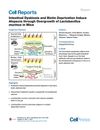
August 2017 in “Cell Reports”
82 citations
,
August 2017 in “Cell Reports” An imbalanced gut and lack of biotin can cause hair loss in mice.
 38 citations
,
June 2018 in “Archives of Toxicology”
38 citations
,
June 2018 in “Archives of Toxicology” Different species and human skin models vary in their skin enzyme activities, with pig skin and some models closely matching human skin, useful for safety assessments and understanding the skin's protective roles.
 9 citations
,
February 2022 in “Genes”
9 citations
,
February 2022 in “Genes” Women with PCOS have more Bifidobacterium in their gut compared to those without PCOS.
 4 citations
,
July 2019 in “Children (Basel)”
4 citations
,
July 2019 in “Children (Basel)” The review concludes that more research is needed to better improve the health outcomes for people with Polycystic Ovarian Syndrome.
3 citations
,
March 2024 in “Frontiers in Cell and Developmental Biology” Prenatal and postnatal environments both affect PCOS development and gut microbiota in mice.
 March 2026 in “Aging Research”
 Personalized anti-aging strategies are important, considering genetics and lifestyle.
 December 2025 in “Scientific Reports”
 Gut microbiota and metabolic pathways may play a key role in PCOS development.
August 2025 in “Journal of Clinical Medicine” Skin diseases alter the skin's microbiome, and prebiotic treatments might help.
 August 2025 in “Frontiers in Pharmacology”
 Periplaneta americana extract helps hair regrowth by reducing inflammation and improving skin bacteria balance.

Periplaneta americana extract promotes hair growth and is safe for treating hair loss.
 April 2024 in “Frontiers in microbiology”
 Certain gut bacteria may increase or decrease the risk of male pattern baldness.
7 citations
,
November 2023 in “Microorganisms” Probiotics may help manage celiac disease by improving gut health and reducing symptoms.
8 citations
,
February 2022 in “PLoS ONE” Bacillus subtilis strain Ydj3 boosts sweet pepper growth, yield, and vitamin C by colonizing roots.
 1 citations
,
May 2022 in “bioRxiv (Cold Spring Harbor Laboratory)”
1 citations
,
May 2022 in “bioRxiv (Cold Spring Harbor Laboratory)” Ulcerative colitis involves immune activation, chronic inflammation, and metabolic issues, some of which persist even during remission.
3 citations
,
October 2025 in “Biomedicines” New treatments for seborrheic dermatitis show promise for difficult cases.

Thermal spring waters and their microbes could be good for skin health and treating some skin conditions in skincare products.
 11 citations
,
January 2023 in “BioMed Research International”
11 citations
,
January 2023 in “BioMed Research International” Microbial biosurfactants could be a safer and environmentally friendly alternative to chemical surfactants in cosmetics.

Rosacea may be linked to gut and brain issues, not just a skin problem.
October 2025 in “Burns & Trauma” Engineered probiotics can help heal wounds faster, especially in diabetic foot ulcers.
June 2025 in “Academic Medical Journal” Vitiligo treatments are improving but relapses are common.
 January 2025 in “International Journal of Molecular Sciences”
 Psoriasis involves immune and genetic factors, and understanding these can improve treatments.