 September 2016 in “International Journal of Herbal Medicine”
 Buxus wallichiana has compounds that support its use in traditional medicine.
 25 citations
,
July 2015 in “Colloids and Surfaces B: Biointerfaces”
25 citations
,
July 2015 in “Colloids and Surfaces B: Biointerfaces” Iontophoresis improves minoxidil delivery to hair follicles for hair loss treatment.
 1 citations
,
October 2021 in “Veterinary World”
1 citations
,
October 2021 in “Veterinary World” Extract mixture 1 effectively treats cattle skin disease, promoting fast healing and hair regrowth.
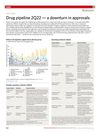 August 2022 in “Nature Biotechnology”
 Drug approvals slowed in 2Q22, but notable drugs like Amvuttra, Camzyos, and Olumiant were approved.
February 2023 in “Medicine in novel technology and devices” Microneedles with traditional Chinese medicine can help regrow hair in androgenic alopecia.
Three Indian medicinal plant compounds help hair growth.
 January 2023 in “Health science reports”
 French maritime pine bark extract significantly increased hair density in menopausal women.
May 2026 in “Medical and Veterinary Entomology” The combination of Lucilia sericata larva secretions and Achillea sintenisii extract significantly improves wound healing in diabetic rats.
April 2014 in “The FASEB journal” The extract helps prevent hair loss and promotes hair growth in stressed mice.
November 2025 in “Bioactive Materials” The cryogel effectively heals infected wounds and promotes tissue regeneration without scarring.
 January 2025 in “International Journal of Advanced Research in Science Communication and Technology”
 Calotropis gigantea latex is effective for treating skin conditions and other health issues.
2 citations
,
October 2025 in “Chinese Medicine” Berberine delivery systems improve wound healing by enhancing bioavailability, reducing inflammation, and promoting tissue regeneration.
Intradermotherapy is a safe and effective short-term treatment for hair loss.
January 2010 in “Pharmacy Today” Collagen reduces skin melanin, boosts antioxidants, and improves skin moisture.
 28 citations
,
March 2017 in “Scientific Reports”
28 citations
,
March 2017 in “Scientific Reports” Minoxidil may protect nerves and improve hair quality during paclitaxel treatment.
 September 2024 in “International Journal For Multidisciplinary Research”
 Tridax procumbens shows potential for various health benefits but needs more scientific research.
 14 citations
,
August 2007 in “Bioorganic & Medicinal Chemistry Letters”
14 citations
,
August 2007 in “Bioorganic & Medicinal Chemistry Letters” The compound (1R,2S)-4-(2-Cyano-cyclohexyl-oxy)-2-trifluoromethyl-benzonitrile can stimulate hair growth and reduce oil production when applied topically.
Rosemary extracts promote hair growth better than minoxidil.
 3 citations
,
September 2020
3 citations
,
September 2020 Dyclonine can effectively reduce skin issues by inhibiting the TRPV3 channel.
 59 citations
,
January 2010 in “Pharmacognosy Reviews/Bioinformatics Trends/Pharmacognosy review”
59 citations
,
January 2010 in “Pharmacognosy Reviews/Bioinformatics Trends/Pharmacognosy review” Semecarpus anacardium Linn. has many medicinal benefits.
 April 2025 in “JAAD Case Reports”
 Topical ruxolitinib and oral minoxidil together can regrow hair in certain types of hair loss.
 4 citations
,
February 2016 in “Clinical Pharmacology & Therapeutics”
4 citations
,
February 2016 in “Clinical Pharmacology & Therapeutics” Hair follicle samples effectively show how well the drug MK-0752 targets and engages with the Notch pathway.
September 2019 in “The journal of investigative dermatology/Journal of investigative dermatology” Mononuclear cells may protect against certain chemotherapy-induced hair loss.
14 citations
,
January 2014 in “Tropical Journal of Pharmaceutical Research” Urtica dioica L. extract may help treat tinea corporis but is less effective than terbinafine.
 5 citations
,
December 2011 in “Drug Research”
5 citations
,
December 2011 in “Drug Research” CB-03-01 is a promising skin cream for treating hormone-related skin problems without causing harmful body-wide effects.
 1 citations
,
July 2022 in “Plant Cell, Tissue and Organ Culture (PCTOC)”
1 citations
,
July 2022 in “Plant Cell, Tissue and Organ Culture (PCTOC)” The study found that in Eclipta prostrata roots, coumestans come from acetate and shikimate pathways, and phenylpropanoid is made only through the shikimate pathway.
 April 2023 in “Journal of Investigative Dermatology”
 ALRN-6924 can protect hair follicles from chemotherapy damage by temporarily stopping cell division.
April 2025 in “Journal of Ethnopharmacology” Amygdalin in Persicae Semen may help treat hair loss by promoting hair growth and regulating key pathways.
15 citations
,
April 2011 in “The journal of investigative dermatology/Journal of investigative dermatology” A3B5 can reduce skin pigmentation and slow melanoma growth.