1 citations
,
November 2025 in “Stem Cell Research & Therapy” Immortalized hair follicle cells could be useful for regenerative medicine and treating inflammation and oxidative stress.
1 citations
,
January 2025 in “Advances in Wound Care” Dermal sheath cells help heal wounds by showing both skin and connective tissue traits.
1 citations
,
January 2025 in “Reproductive Biology and Endocrinology” Cell-free fat extract may boost IVF success in older women with past failures.
 May 2026 in “International Journal of Molecular Sciences”
 Hydroxytyrosol may help treat hair loss by reducing inflammation and oxidative stress.
 March 2026 in “International Journal of Molecular Sciences”
 A temporary capillary cell type helps skin repair after radiation by promoting blood vessel growth.
 February 2026 in “Materials”
 Hops can reduce skin irritation and are effective in cosmetics.
February 2026 in “ACS Omega” The hydrogel effectively treats oral mucositis by reducing oxidative damage and bacterial infection.
 January 2025 in “Scientific Reports”
 Hair analysis can show changes in vitamin D levels over time.
 April 2024 in “Journal of translational medicine”
 Melanocytes are important for normal body functions and have potential uses in regenerative medicine and disease treatment.
 February 2024 in “Skin health and disease”
 Exosomes could improve skin and hair treatments but are limited by cost, production difficulty, and need for more research.
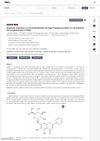
Enzymatic synthesis improved the water solubility of the flavonoid baicalin, which may help treat hair loss conditions.
March 2019 in “SLAS TECHNOLOGY” New technologies show promise in healing wounds, treating cancer, autoimmune diseases, and genetic disorders.
 January 2017 in “Journal of Investigative Dermatology Symposium Proceedings”
 The 2015 Hair Research Congress concluded that stem cells, maraviroc, and simvastatin could potentially treat Alopecia Areata, topical minoxidil, finasteride, and steroids could treat Frontal Fibrosing Alopecia, and PTGDR2 antagonists could also treat alopecia. They also found that low-level light therapy could help with hair loss, a robotic device could assist in hair extraction, and nutrition could aid hair growth. They suggested that Alopecia Areata is an inflammatory disorder, not a single disease, indicating a need for personalized treatments.
9 citations
,
May 2014 in “Clinical Cosmetic and Investigational Dermatology” Using tazarotene with GliSODin improves facial skin more than tazarotene alone.
 426 citations
,
August 2014 in “Nature Medicine”
426 citations
,
August 2014 in “Nature Medicine” Skin stem cells interacting with their environment is crucial for maintaining and regenerating skin and hair, and understanding this can help develop new treatments for skin and hair disorders.
387 citations
,
May 2019 in “International Journal of Molecular Sciences” Adipose-derived stem cells are promising for regenerative medicine due to their accessibility, versatility, and low risk of immune rejection.
130 citations
,
December 2022 in “Antioxidants” Natural polysaccharides have strong antioxidant properties that help fight diseases like Alzheimer's, diabetes, and heart disease.
109 citations
,
February 2018 in “CB/Current biology” ERULUS controls root hair growth by regulating cell wall composition and pectin activity.
101 citations
,
October 2007 in “Journal of Biological Chemistry” Reduced matriptase activity causes skin and hair issues in both humans and mice.
63 citations
,
June 2023 in “Journal of Nanobiotechnology” The sponge heals wounds without antibiotics and has strong antibacterial and antioxidant properties.
50 citations
,
August 2021 in “Stem Cell Research & Therapy” Adipose-derived stem cells help heal radiation skin damage by reducing cell death and inflammation.
47 citations
,
August 2024 in “Science Advances” The new sprayable wound mask helps heal wounds without scars.
46 citations
,
July 2022 in “Frontiers in Oncology” Cold atmospheric plasma is a promising and safe treatment for various skin conditions.
37 citations
,
November 2017 in “Medical Sciences” Melanoma's complexity requires personalized treatments due to key genetic mutations and tumor-initiating cells.
36 citations
,
January 2021 in “Frontiers in Cell and Developmental Biology” Hypoxia and epigenetics are crucial for cell growth and tissue regeneration.
 30 citations
,
January 2023 in “EFSA journal”
30 citations
,
January 2023 in “EFSA journal” Adults should not consume more than 255 micrograms of selenium per day to avoid risk of hair loss and other side effects.
24 citations
,
August 2021 in “Scientific Reports” Non-thermal plasma could help hair growth by activating key cell signals.
22 citations
,
July 2015 in “PloS one” Foxp1 helps control hair stem cell growth and response to stress during hair growth cycles.
21 citations
,
November 2019 in “Molecular & Cellular Proteomics” Citrullinated proteins from Porphyromonas gingivalis may contribute to rheumatoid arthritis.
19 citations
,
December 2023 in “Journal of Investigative Dermatology” Scalp hair follicle microbes affect hair health and could be used for treatments.