 1 citations
,
July 2023 in “Cureus”
1 citations
,
July 2023 in “Cureus” A rare hair disorder with multiple hairs from one follicle was found on a patient's abdomen.
59 citations
,
March 1984 in “Journal of Investigative Dermatology” January 1962 in “Archives of Dermatology” A 5-year-old girl has lipoid proteinosis, causing voice issues, hair thinning, skin lesions, and tongue movement problems.
32 citations
,
July 2017 in “Molecular diagnosis & therapy” MicroRNA-21 could help diagnose and treat skin fibrosis.
6 citations
,
August 2024 in “Biomacromolecules” The model helps test drugs for clubfoot fibrosis by mimicking cell environments and shows minoxidil reduces harmful collagen links.
 6 citations
,
June 2019 in “International Journal of Dermatology”
6 citations
,
June 2019 in “International Journal of Dermatology” Frontal fibrosing alopecia has occurred in two related male families.
 38 citations
,
July 1998 in “Journal of surgical oncology”
38 citations
,
July 1998 in “Journal of surgical oncology” A woman with breast cancer developed a rare condition causing excessive fine hair growth on her face and body.
41 citations
,
January 1992 in “Journal of medical genetics” The study found that males with KFSD had severe skin and eye symptoms, while female carriers had milder symptoms.
 14 citations
,
December 2010 in “Journal of human genetics”
14 citations
,
December 2010 in “Journal of human genetics” A Japanese patient with IFAP syndrome had a severe MBTPS2 gene mutation but showed milder symptoms than previously observed cases.
 September 2022 in “The American journal of dermatopathology/American journal of dermatopathology”
 Sunscreen particles were not found in inflamed or fibrotic areas of skin in FFA patients, suggesting no direct link to the disease.
 August 2023 in “British journal of dermatology/British journal of dermatology, Supplement”
 Rubbing or pressing on the face can cause small bumps, and changing posture along with certain creams can improve them.

Clinical signs don't match inflammation levels in lichen planopilaris and frontal fibrosing alopecia.
2 citations
,
December 2023 in “International Journal of Dermatology” A unique type of hair loss mimics another condition but has minimal inflammation and specific immune cells present.
 January 2026 in “JOURNAL OF CLINICAL AND DIAGNOSTIC RESEARCH”
 A 62-year-old man with diabetes and kidney disease had itchy skin lesions diagnosed as perforating folliculitis, treated with medication and skin care.
 February 2024 in “Cureus”
 Pilomatrixoma should be considered for nodular lesions in adults.
August 2021 in “Chinese journal of burns” Combining FUE with rb-bFGF and minoxidil is more effective and has fewer side effects than FUE alone for treating hair loss.
12 citations
,
May 2009 in “Ophthalmic plastic and reconstructive surgery” Multiple pilomatrixoma may indicate Turner syndrome.
8 citations
,
January 2013 in “Australasian journal of dermatology” Trichodysplasia spinulosa is a rare skin condition caused by a virus, treatable with antiviral medication.
 January 2011 in “Journal of Human Genetics”
 A Japanese patient with a rare genetic disorder had a less severe case than others, suggesting other factors may affect symptoms.
23 citations
,
January 2024 in “Journal of Investigative Dermatology” Corticosteroids can reduce scarring in acne keloidalis by targeting specific cells.

Trichodysplasia spinulosa can occur after a heart transplant due to immunosuppressive drugs.
28 citations
,
May 1998 in “Journal of the American Academy of Dermatology” Scalp inflammation can cause multiple hairs to grow from one follicle.
 1 citations
,
March 2024 in “Ophthalmic Plastic and Reconstructive Surgery”
1 citations
,
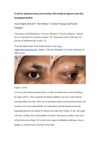
March 2024 in “Ophthalmic Plastic and Reconstructive Surgery” A pilomatrixoma in the eyebrow can cause hair loss and skin lightening.

Tofacitinib significantly improved hair loss and lesions in a patient with overlapping autoimmune disorders.
61 citations
,
April 1969 in “Archives of Dermatology” Skin biopsy is crucial for diagnosing unknown baldness causes.
3 citations
,
January 2025 in “Journal of the American Academy of Dermatology” Early diagnosis and a multidisciplinary approach are crucial for managing Frontal Fibrosing Alopecia.
4 citations
,
May 2023 in “Cells” Baricitinib and its combination with lonafarnib improve fat cell formation in certain genetic disorders.
33 citations
,
May 2015 in “JAMA Dermatology” Early detection of specific skin lesions can help identify Birt-Hogg-Dube syndrome and prevent serious complications.
20 citations
,
July 2005 in “Experimental dermatology” The fuzzy gene is crucial for controlling hair growth cycles.
2 citations
,
April 2012 in “American Journal of Dermatopathology” Accurate diagnosis of NLS with dilated hair follicles is crucial to distinguish it from other conditions.