September 2019 in “The journal of investigative dermatology/Journal of investigative dermatology” PPARγ signaling modulation can protect hair follicle stem cells from chemotherapy-induced damage.
2 citations
,
August 2023 in “Molecules” SH-340 may improve skin barrier and help treat atopic dermatitis.
June 2003 in “Faculty Opinions – Post-Publication Peer Review of the Biomedical Literature” GLABRA2 represses root hair formation by inhibiting a specific gene.
 5 citations
,
October 2024 in “International Journal of Molecular Sciences”
5 citations
,
October 2024 in “International Journal of Molecular Sciences” Piperonylic acid may help hair growth and treat hair loss.
5 citations
,
February 2022 in “Molecular genetics & genomic medicine” New gene variants linked to a rare inherited hair loss disorder were found in three Chinese families.
3 citations
,
May 2025 in “Plant Cell & Environment” CLE14 peptide promotes root hair growth in Arabidopsis.
July 2026 in “Journal of the American Academy of Dermatology” Estetrol (E4) can help hair grow longer by extending its growth phase.
March 2025 in “International Journal of Molecular Sciences” PLIN2 affects hair growth in cashmere goats, potentially improving cashmere quality.
June 2025 in “Food Science & Nutrition” Peimine helps heal skin wounds by activating a specific cell signaling pathway.
5 citations
,
December 1996 in “Biochemical and Biophysical Research Communications” Mouse hair keratins mHa1 and mHb4 can't form a strong network on their own in cells.
1 citations
,
January 2025 in “Proceedings of the National Academy of Sciences” LPAR6 has a unique way of binding and activating, which helps in designing treatments for hair loss and cancer.
11 citations
,
December 2013 in “Clinical and experimental dermatology” A child with skin and heart issues had rare genetic mutations affecting skin and heart cell cohesion.
 28 citations
,
November 2013 in “The journal of investigative dermatology/Journal of investigative dermatology”
28 citations
,
November 2013 in “The journal of investigative dermatology/Journal of investigative dermatology” GMG-43AC may help reduce unwanted hair growth and treat certain hair loss conditions.
 191 citations
,
September 2011 in “Cell stem cell”
191 citations
,
September 2011 in “Cell stem cell” Hair follicle stem cells use specific chromatin changes to control their growth and differentiation.
 1 citations
,
April 2021 in “Journal of Investigative Dermatology”
1 citations
,
April 2021 in “Journal of Investigative Dermatology” Activating TRPA1 reduces scarring and promotes tissue regeneration.
April 2025 in “Journal of Biophotonics” PBM therapy improves mitochondrial function and promotes tissue regeneration in dental pulp stem cells.
April 2016 in “Journal of Investigative Dermatology” Mutations in the TSPEAR gene cause a new form of ectodermal dysplasia affecting hair and tooth development.
September 2021 in “Zenodo (CERN European Organization for Nuclear Research)” The new laser is effective, safe, and fast for permanent hair removal.
151 citations
,
August 2011 in “The EMBO Journal” The enzyme PA-PLA1α is important for proper hair follicle development.
 August 2023 in “Journal of Chromatographic Science”
 A new method accurately measures three compounds in rat plasma from pine needle extracts, aiding future research on its use for hair loss.
4 citations
,
November 2024 in “International Journal of Biological Macromolecules” Zinc sulfide cellulose scaffolds can reduce scarring and promote hair growth.
4-(Ethoxycarbophenyl) retinamide is much less toxic than other retinoids.
 2 citations
,
July 1982 in “British Journal of Dermatology”
2 citations
,
July 1982 in “British Journal of Dermatology” Retinol acetate can reduce the harmful effects of the drug benoxaprofen on white blood cells.
 19 citations
,
August 2012 in “Cell death and differentiation”
19 citations
,
August 2012 in “Cell death and differentiation” Intu gene is crucial for hair follicle formation by helping keratinocytes differentiate through primary cilia.
 May 2023 in “Stem cell research & therapy”
 New method efficiently isolates hair growth cells from newborn mouse skin.
 6 citations
,
January 2015 in “Biochemical Society Transactions”
6 citations
,
January 2015 in “Biochemical Society Transactions” The Ysc84/SH3yl1 protein family is important for cell movement and the process of taking in materials by interacting with actin and cell membranes.
December 2025 in “Anatomy (International Journal of Experimental and Clinical Anatomy)” Palmaris longus muscle absence is uncommon and not linked to gender, hand side, or finger ratio.
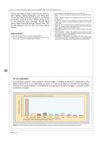
The document corrects a mistake by stating that pimecrolimus, not tacrolimus, is the drug that concentrates in the skin.
7 citations
,
September 2003 in “Journal of Investigative Dermatology” PAR-1 may play a role in hair growth regulation in human hair follicles.
 August 2011 in “Planta Medica”
 4-O-methylhonokiol from Magnolia Officinalis may promote hair growth by interfering with TGF-β1 effects in skin cells.