January 2026 in “Jurnal Akta Trimedika” Microneedling with PRP effectively improved hair growth and thickness in androgenic alopecia without side effects.
559 citations
,
October 2020 in “Frontiers in Molecular Biosciences” Solid lipid nanoparticles are promising for safe and effective drug delivery but need more research for clinical use.
 2 citations
,
January 2018 in “Elsevier eBooks”
2 citations
,
January 2018 in “Elsevier eBooks” Lipid nanoparticles improve drug delivery through the skin, offering stability, controlled release, and better compatibility with skin.
26 citations
,
March 2018 in “Experimental Dermatology” Prolactin may influence skin glands and could be a target for treating acne and skin aging.
 3 citations
,
January 2019 in “PubMed”
3 citations
,
January 2019 in “PubMed” Platelet-rich plasma may be effective for genital rejuvenation and deserves more research.
 2 citations
,
January 2020 in “Libri Oncologici Croatian Journal of Oncology”
2 citations
,
January 2020 in “Libri Oncologici Croatian Journal of Oncology” PRP injections improve intestinal healing in rabbits with fewer complications than soaking.
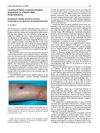
August 2024 in “OBM Transplantation” Platelets can help heal and regenerate tissues, but personalized methods are needed for best results.
 3 citations
,
March 2012 in “Actas Dermo-Sifiliográficas”
3 citations
,
March 2012 in “Actas Dermo-Sifiliográficas” An elderly man with skin amyloidosis and abnormal blood proteins was monitored without finding widespread disease after 18 months.
 13 citations
,
May 2019 in “Cancer Prevention Research”
13 citations
,
May 2019 in “Cancer Prevention Research” Grape seed extract may safely and effectively help prevent lung cancer.
 June 2026 in “Zenodo (CERN European Organization for Nuclear Research)”
 PRP therapy helps improve skin texture and elasticity.
28 citations
,
September 2020 in “International Journal of Molecular Sciences” Leucocyte-rich platelet-rich plasma boosts cell activity and helps wound healing.
 October 2023 in “Facial Plastic Surgery”
 The PHAT technique effectively rejuvenates lips and face.
September 2024 in “Revista Foco” Platelet-Rich Plasma (PRP) is a safe and effective tool for facial rejuvenation and scar treatment.
January 2026 in “Andrology” PRP injections are safe but don't significantly improve Peyronie's Disease.
October 2024 in “OBM Transplantation” PRGF can improve acne and scars.
 June 2026 in “Zenodo (CERN European Organization for Nuclear Research)”
 PRP therapy improves skin and hair using your own blood.

TLR3 signaling enhances the immunosuppressive properties of human periodontal ligament stem cells.
Platelet-rich plasma (PRP) can help with hair loss and improve hair transplant results.
1 citations
,
January 2021 Platelet-rich fibrin matrix improves tissue regeneration better than platelet-rich plasma.
January 2026 in “Revista científica ciencias de la salud” Platelet-rich plasma is effective and safe for hair growth and facial rejuvenation.
 January 2026 in “Forum Dermatologicum”
 Platelet-rich plasma helps improve skin and hair conditions.
 1 citations
,
February 2020 in “International journal of research in dermatology”
1 citations
,
February 2020 in “International journal of research in dermatology” PRP therapy is effective for hair loss, skin rejuvenation, wound healing, and scar treatment.
8 citations
,
June 2024 in “Pharmaceutics” PEA-ENL improves skin delivery and reduces inflammation without side effects.
 18 citations
,
September 2016 in “International Journal of Molecular Sciences”
18 citations
,
September 2016 in “International Journal of Molecular Sciences” Polydeoxyribonucleotide (PDRN) may help lighten skin and treat hyperpigmentation.
26 citations
,
July 2023 in “International Journal of Nanomedicine” The microneedle system shows promise for non-invasive brain drug delivery.
1 citations
,
December 2016 in “Rossijskij žurnal kožnyh i veneričeskih boleznej” A new treatment using unactivated platelet leukocyte autoplasma cured 80% of non-scarring alopecia patients.
 February 2023 in “Military Medical Science Letters”
 Platelet-rich plasma treatments reduce knee osteoarthritis inflammation, with pure PRP being more effective.
 5 citations
,
January 2013 in “Otorhinolaryngology clinics : an international journal”
5 citations
,
January 2013 in “Otorhinolaryngology clinics : an international journal” Platelet-rich plasma may improve healing and hair growth in cosmetic surgery but results vary.
September 2024 in “Medical Sains Jurnal Ilmiah Kefarmasian” Nanostructured lipid carriers improve anti-aging drug delivery and effectiveness in cosmetics.