 January 2026 in “Microsystems & Nanoengineering”
 Research on silica-based nanobiomaterials for tissue regeneration is rapidly growing, with China leading in volume and the U.S. excelling in impact.
 January 2026 in “Nano-Micro Letters”
 4D scaffolds made with melt electrowriting can change shape for use in medicine.
 January 2026 in “Frontiers in Materials”
 Metal-organic frameworks help heal wounds by effectively delivering medicine.
 January 2026 in “International Journal of Applied Pharmaceutics”
 Nanoparticle-embedded microneedles improve drug delivery through the skin but face challenges in stability and safety.
 January 2026 in “Materials Horizons”
  January 2026 in “Nanoscale Advances”
 The nanocomposite effectively targets lung cancer cells without harming normal cells.
 December 2025 in “Journal of Composites and Compounds”
 Composite biomaterials can precisely control immune responses for better disease treatment.
 December 2025 in “Journal of Advanced Biotechnology and Experimental Therapeutics”
 Mesenchymal stem cells may help reduce melanin in UV-exposed mice.
 November 2025 in “Nanoscale Advances”
 Inorganic nanoparticle-based scaffolds can improve wound healing by fighting bacteria and helping tissue grow.

A new microneedle patch helps repair spinal cord injuries by reducing scarring and promoting nerve growth.
 September 2025 in “Drug Design Development and Therapy”
 Combining platelet-rich products, biomaterials, and bioactive substances may improve skin treatment, but more research is needed.
 January 2025 in “International Journal of Veterinary Science”
 Hibiscus leaf ointment helps hair growth and reduces UV skin damage in rats.
 August 2024 in “International Journal of Basic & Clinical Pharmacology”
 Secretome-based therapies could improve hair growth better than current treatments.
 January 2024 in “Regenerative Biomaterials”
 Metal organic frameworks-based scaffolds show promise for tissue repair due to their unique properties.
 June 2023 in “Sains Malaysiana”
 Cinchonine Nanostructured Lipid Carriers serum safely and effectively stimulates hair growth and increases the number and size of hair follicles.
June 2023 in “bioRxiv (Cold Spring Harbor Laboratory)” Dopaminergic neurons in the gut have distinct subtypes, some releasing both dopamine and acetylcholine.
 48 citations
,
September 2017 in “Frontiers in Bioscience”
48 citations
,
September 2017 in “Frontiers in Bioscience” Nanoparticles show promise for better wound healing, but more research is needed to ensure safety and effectiveness.
 January 2026 in “Nanoscale Advances”
 Microneedles combined with light therapy can improve skin disease diagnosis and treatment.
 December 2025 in “MEDFARM Jurnal Farmasi dan Kesehatan”
 Topical metformin shows promise for treating skin conditions like acne and psoriasis.
 7 citations
,
June 2011 in “Movement Disorders”
7 citations
,
June 2011 in “Movement Disorders” A specific gene mutation is linked to a hereditary form of dystonia that responds well to certain medications.
 2 citations
,
December 2022 in “PÄDI Boletín Científico de Ciencias Básicas e Ingenierías del ICBI”
2 citations
,
December 2022 in “PÄDI Boletín Científico de Ciencias Básicas e Ingenierías del ICBI” Bioceramic and biopolymer composites are promising for advanced wound care, promoting healing and cell growth.
21 citations
,
March 2002 in “Neurology” Dopamine agonists like pramipexole and ropinirole can cause reversible hair loss.
6 citations
,
April 2021 in “NAR Genomics and Bioinformatics” PolyQ repeats in neural proteins evolve together, affecting brain function and disease.
4 citations
,
January 1982 in “Neuroendocrinology” Dopamine affects coat color changes in agouti mice.
 35 citations
,
April 2012 in “Journal of Clinical Psychopharmacology”
35 citations
,
April 2012 in “Journal of Clinical Psychopharmacology” Finasteride reduces gambling symptoms in Parkinson's patients.
March 2024 in “European Journal of Neuroscience” Dopaminergic neurons in the gut have diverse subtypes with different neurotransmitter contents.
 3 citations
,
September 1980 in “Experientia”
3 citations
,
September 1980 in “Experientia” Dobutamine does not mimic dopamine at therapeutic doses but may at very high concentrations; microfilaments, not microtubules, are important for wound healing in Xenopus embryos.
 October 2015 in “Elsevier eBooks”
 Pramipexole can cause side effects like dizziness, sleepiness, hallucinations, and low blood pressure, and it's important to educate patients and keep doses low.
May 2026 in “European Cells and Materials” The new delivery system improves Alzheimer's symptoms by releasing Huperzine A slowly and effectively.
 14 citations
,
October 2006 in “Journal of The American Academy of Dermatology”
14 citations
,
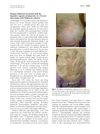
October 2006 in “Journal of The American Academy of Dermatology” A woman with Parkinson's disease experienced hair loss from the Parkinson's medication pramipexole, which improved after stopping the drug.