 June 2023 in “SPIRE - Sciences Po Institutional REpository”
 Extracellular vesicles and androgen receptors may help identify prostate cancer resistance and reduce SARS-CoV-2 infection.
 June 2023 in “Research Square (Research Square)”
 A higher genetic risk score increases the chance of getting benign prostatic hyperplasia and affects treatment outcomes in Han Chinese men.
 September 2022 in “Archivio italiano di urologia, andrologia”
 Prostate surgery is often effective long-term, but some patients may need more treatment or another surgery, especially if they had prostatitis before.
 April 2022 in “Authorea (Authorea)”
 CT scans can find serious prostate cancer even when PSA levels are low.
June 2021 in “F1000Research” Plant-based compounds may offer safer prostate cancer treatment with fewer side effects.
January 2020 in “Journal of Men s Health” The combination treatment reduced prostate size and improved testosterone deficiency symptoms but was less effective for sexual function.
October 2015 in “Digital Library of Theses and Dissertations (Universidade de São Paulo)” Finasteride reduces prostate size and PSA levels in young men with hair loss.

Finasteride can reduce prostate cancer risk but may delay diagnosis and cause sexual side effects.
 April 2013 in “The Journal of Urology”
 Higher CRP levels suggest chronic inflammation is linked to bladder-related urinary symptoms in men with enlarged prostates.

Higher cholesterol levels increase aggressive prostate cancer risk.
 August 2012 in “Expert Review of Dermatology”
 Men with early hair loss may have a higher risk of enlarged prostate and possibly prostate cancer due to shared hormonal factors.
August 2012 in “Open Repository and Bibliography (University of Liège)” A castrated dog developed hair loss and prostate issues from long-term exposure to estrogen cream.
 March 2011 in “European Urology Supplements”
 CEC levels may be a useful marker for predicting prostate cancer progression.
 March 2011 in “European Urology Supplements”
 Blood tests for tumor cells could improve prostate cancer diagnosis and treatment; hair loss severity linked to a gene affecting prostate conditions.
 October 2010 in “Journal of Men's Health”
 Larger prostate size in older men may be linked to poorer semen quality and fertility issues.
 April 2010 in “The Journal of Urology”
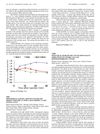
 Human prostate cells produce more WISP1/CCN4 when there's not enough oxygen.
 October 2008 in “The Journal of Urology”
 Finasteride reduces prostate cancer risk but may increase high-grade tumors and has side effects; biopsy methods have similar outcomes; psychosocial factors affect sexual recovery post-surgery.
 August 2008 in “Current Opinion in Internal Medicine”
 In 2007, prostate cancer research improved understanding of risk, diagnosis, and treatment, but also showed heart risks with certain therapies and the need for personalized care.
February 2006 in “Mayo Clinic Proceedings” Finasteride reduces prostate cancer risk but may increase high-grade cancer cases.
 November 2005 in “The Journal of Urology”
 Dutasteride may lower the chance of finding prostate cancer in men with enlarged prostates.
December 2004 in “SUNScholar (Stellenbosch University)” Certain genetic markers can indicate a person's risk of developing prostate cancer.
January 2002 in “Dialnet (Universidad de la Rioja)” Finasteride treatment makes the prostate look more like a healthy one.
 January 2018 in “Repositorio de Tesis - UNMSM”
 Physalis peruviana extract is more effective in treating benign prostatic hyperplasia in rats than finasteride and terazosine.
 April 2012 in “Faculty Opinions – Post-Publication Peer Review of the Biomedical Literature”
 Early hair loss in men could be a sign of non-cancerous prostate enlargement, and treating hair loss early might help prevent prostate issues later.
January 2017 in “Indian journal of health sciences and biomedical research KLEU” There is no link between hair loss and prostate enlargement.
 March 2013 in “The Journal of Urology”
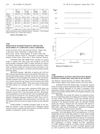
 Hair loss is linked to higher prostate-specific antigen levels and urinary symptoms, likely due to age.
 March 2012 in “Faculty Opinions – Post-Publication Peer Review of the Biomedical Literature”
 Hair loss can be an early sign of prostate enlargement.

People with early-onset hair loss (AGA) have a higher risk of heart disease, metabolic syndrome, and prostate enlargement.
 March 2011 in “European Urology Supplements”
 Gene variation affects prostate issues and hair loss.
 March 2010 in “The Journal of Urology”
 Hair loss, prostate size, and urinary issues are related due to androgen effects.