 June 2026 in “International Journal of Drug Delivery Technology”
 The herbal hair oil is safe and may promote hair growth.
4 citations
,
December 2024 in “Applied Sciences” Rosehip seeds have high nutritional value and antioxidant properties, making them useful for health products.
7 citations
,
December 2021 in “Pharmaceutics” The nanoemulsion with garlic oil, apple cider vinegar, and minoxidil could effectively treat alopecia areata.

Lavender is widely used for its calming effects and in beauty products, but its medical effectiveness is not fully proven and not FDA-approved.
Apeiba tibourbou seed oil has analgesic and anti-inflammatory effects, making it potentially useful for food and medicine.
 December 2025 in “Applied Sciences”
 Argan oil complexes improve hair treatment by enhancing stability, antibacterial properties, and hair texture.
 April 2021 in “Current Topics in Nutraceutical Research”
 Citron seed oil may help prevent or treat hair loss by promoting hair growth and increasing hair density.
Linalool in personal care products may worsen frontal fibrosing alopecia by damaging hair follicle stem cells and triggering harmful immune responses.
June 2021 in “Dépôt Institutionnel de lUniversité de Tlemcen” In Algeria, women mainly use essential oils for beauty and health.
25 citations
,
January 2019 in “Journal of Pharmacy And Bioallied Sciences” The herbal shampoo is a chemical-free, nourishing product with excellent conditioning, cleansing, and antimicrobial effects.
 December 2019 in “University of Malaya Students Repository”
 Mimosine from Leucaena leucocephala can enhance biodiesel stability.
 March 2026 in “Zenodo (CERN European Organization for Nuclear Research)”
 Ratanjot root oil helps hair grow and conditions and colors it naturally.
 June 2024 in “MEDFARM Jurnal Farmasi dan Kesehatan”
 Rosemary oil nanoliposome gel is effective for promoting hair growth.
Onion peel oil may help hair growth and treat hair loss.
 August 2025 in “Tropical Journal of Natural Product Research”
 LEON gel significantly boosts hair growth without irritation.
 May 2026 in “Zenodo (CERN European Organization for Nuclear Research)”
 The hair oil formulation F2 is stable, appealing, and may promote hair growth and scalp health.
March 2020 in “The Egyptian Journal of Histology” Topical olive oil protects mice skin from harmful electromagnetic radiation.
October 2021 in “Journal of Investigative Dermatology” Pink berry extract effectively treats scalp issues from frequent head covering.
Compounds in fluted pumpkin and African yam bean seed oils may help manage benign prostate hyperplasia.
 4 citations
,
November 2023 in “Biological and Pharmaceutical Bulletin”
4 citations
,
November 2023 in “Biological and Pharmaceutical Bulletin” The serum reduced thigh fat and improved skin firmness.
 May 2026 in “Zenodo (CERN European Organization for Nuclear Research)”
 Rosary Pea has medicinal benefits but requires careful handling due to its toxicity.
 11 citations
,
May 2010 in “Journal of Medicinal Chemistry”
11 citations
,
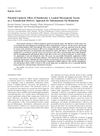
May 2010 in “Journal of Medicinal Chemistry” A new compound was created in 2010 that can control oil production when applied to the skin, and its effects are completely reversible after two weeks.
 March 2026 in “Zenodo (CERN European Organization for Nuclear Research)”
 Ratanjot root oil helps hair grow and conditions and colors it naturally.
 January 2025 in “International Journal for Research Trends and Innovation”
 The polyherbal hair oil promotes hair growth effectively and is safe for use.
 8 citations
,
February 2022 in “Molecules”
8 citations
,
February 2022 in “Molecules” Asparagus racemosus root extract reduced sebum and pore size in men but not in women.
 January 2026 in “Frontiers in Bioscience-Landmark”
 Araliadiol protects skin cells from damage by boosting antioxidant defenses.
 November 2025 in “Cosmetics”
 Rice germ oil improves hair health, but adding ferulic acid offers limited benefits and may worsen chemically damaged hair.
 November 2025 in “Zenodo (CERN European Organization for Nuclear Research)”
 The herbal hair oil promotes hair growth and prevents dandruff while being a safer alternative to chemical products.
April 2020 in “DOAJ (DOAJ: Directory of Open Access Journals)” Olive oil helps Malassezia globosa overgrow, worsening atopic dermatitis in mice.
 19 citations
,
July 2020 in “Journal of drug delivery science and technology”
19 citations
,
July 2020 in “Journal of drug delivery science and technology” Nanoemulsions with minoxidil and clove oil effectively target hair follicles for better alopecia treatment.