 January 2025 in “Ege Tıp Bilimleri Dergisi”
 Radiotherapy affects mitochondrial-related genes in metastatic breast cancer cells.
57 citations
,
January 2022 in “Biomedicines” Curcumin may improve cancer radiotherapy by making cancer cells more sensitive to radiation and protecting normal cells.
 17 citations
,
January 2010 in “International journal of trichology”
17 citations
,
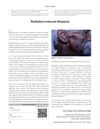
January 2010 in “International journal of trichology” A man experienced hair loss from radiotherapy, which can be temporary or permanent depending on radiation dose, with potential treatments available.
 April 2017 in “Australasian Journal of Dermatology”
 The session covered updates on skin treatments, including radiotherapy, imiquimod, acitretin, JAK inhibitors, and strategies for managing rosacea and preventing surgical infections.
 July 2025 in “Cermin Dunia Kedokteran”
 Nasopharyngeal carcinoma is a common cancer in Indonesia, with risk factors including genetics, diet, and Epstein-Barr virus, and is treated with advanced radiotherapy.
 January 2023 in “Cancer research, statistics, and treatment/Cancer research, statistics and treatment”
 Vijaya successfully fought stage 2A breast cancer with surgery, chemotherapy, radiotherapy, and hormone therapy, while advocating for support groups.
 April 2019 in “Radiotherapy and oncology”
 HPV infection is linked to better survival in advanced anal cancer, higher radiation doses improve survival, especially in HPV-negative patients, and prostaglandin E₂ pretreatment can protect mouse hair follicles from radiation damage.
 April 2018 in “Radiotherapy and Oncology”
 Mitochondria may influence how cells respond to radiation, affecting nearby non-irradiated cells.
 1 citations
,
June 2023 in “Radiation oncology journal”
1 citations
,
June 2023 in “Radiation oncology journal” Low-dose radiation therapy may improve brain function in some Alzheimer's patients and is generally well-tolerated.
 February 2026 in “International Journal of Molecular Sciences”
 Combining hyperthermia with natural compounds and conventional treatments improves cancer therapy effectiveness and reduces side effects.
Activating certain hair follicle cells could prevent hair loss from cancer treatments.
 April 2012 in “The Journal of Urology”
 Different prostate cancer treatments have similar risks of secondary cancers and related mortality when considering patient age and smoking history.
41 citations
,
July 2016 in “Radiation Research” Radiation damages salivary glands by harming blood vessels, but antioxidants might help protect them.
 18 citations
,
January 2019 in “Experimental Dermatology”
18 citations
,
January 2019 in “Experimental Dermatology” Certain cells outside the hair follicle's bulge area can quickly regenerate damaged hair follicles, potentially helping to reduce hair loss from cancer treatments.
13 citations
,
February 2023 in “Biology” Cell extracts may effectively and safely repair radiation-damaged salivary glands.
 8 citations
,
February 2005 in “British Journal of Haematology”
8 citations
,
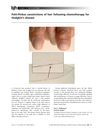
February 2005 in “British Journal of Haematology” Chemotherapy caused the patient's hair to have alternating thick and thin segments.
5 citations
,
September 1998 in “Medical hypotheses” Hormone therapy might be a proactive alternative to watchful waiting for early-stage prostate cancer, potentially improving survival without aggressive treatment downsides.
 4 citations
,
July 2021 in “Cancer Research and Treatment”
4 citations
,
July 2021 in “Cancer Research and Treatment” Temozolomide improves survival in grade III glioma patients without harming quality of life.
3 citations
,
November 2025 in “Biomimetics” Hydrogels show promise in preventing and treating skin damage from radiation therapy.
3 citations
,
January 2010 in “PubMed” We lack effective keloid treatments because their causes are not well understood.
1 citations
,
February 2023 in “International Journal of Pharma Professional’s Research (IJPPR)” Nutraceuticals may help prevent cancer and work best in combination with other compounds.
1 citations
,
November 2014 in “Thérapie” Potassium channel activators like nicotinamide and minoxidil might help treat solid tumors.
 1 citations
,
December 2012 in “Dermatologic Surgery”
1 citations
,
December 2012 in “Dermatologic Surgery” Hair transplants can risk reactivating lichen planopilaris, a scarring hair loss condition.
January 2026 in “Regenerative Biomaterials” Advanced hydrogels can autonomously deliver drugs to treat radiation skin injuries, but challenges remain for clinical use.
December 2025 in “Cosmetics” Nanocarriers can improve skin treatments after cancer therapy by enhancing antioxidant delivery and effectiveness.
November 2025 in “Clinical Cosmetic and Investigational Dermatology” Sonidegib effectively treated basal cell carcinoma in a patient with lupus without worsening lupus symptoms.
October 2025 in “Transactions on Materials Biotechnology and Life Sciences” Immunotherapies for non-small cell lung cancer show promise in improving treatment and reducing side effects.
 September 2025 in “International Journal of Research in Medical Sciences”
 Chemotherapy can harm kidneys in breast cancer patients.
 July 2025 in “International Journal of Pharmacy and Pharmaceutical Science”
 Herbal medicine may help treat breast cancer and improve quality of life.
 January 2024 in “Wiadomości Lekarskie”
 Glioma treatment may improve with new therapies and technologies.