 February 2026 in “BMC Plastic and Reconstructive Surgery”
 Induced pluripotent stem cells could improve chronic wound healing but face safety and effectiveness challenges.
 February 2026 in “American Journal of Clinical Dermatology”
 Radiotherapy can cause skin fibrosis, which is often overlooked and needs better treatment and evaluation.
 February 2026 in “Frontiers in Pharmacology”
 Genetics can help tailor treatments for male pattern hair loss, improving outcomes like stabilization or modest regrowth.

Ca²⁺-mediated protein citrullination controls cell growth in the CNS and may help treat brain tumors.
 January 2026 in “Forum Dermatologicum”
 Hair loss can be caused by cancer, treatments, or skin conditions, and trichoscopy helps diagnose it.
 January 2026 in “Nano-Micro Letters”
 4D scaffolds made with melt electrowriting can change shape for use in medicine.
 January 2026 in “International Journal of Applied Pharmaceutics”
 A 10% MSC secretome hair tonic best promotes hair growth in alopecia.
 January 2026 in “Frontiers in Pharmacology”
 Sanhuang Fukang oil helps heal radiation skin injuries by reducing inflammation and cell death.
 January 2026 in “Biomaterials Science”
 The formulation helps improve wound healing and skin repair.
 December 2025 in “International journal of research and scientific innovation”
 Women with PCOS in Nigeria have higher heart risk markers, needing early heart health checks.
 November 2025 in “International Journal of Pharmaceutical Sciences and Drug Research”
 Thyroid disorders significantly affect the well-being of married, urban, non-working individuals in South India.
 November 2025 in “Frontiers in Immunology”
 Stem cell activity influences autoimmune disease outcomes by affecting immune responses and tissue regeneration.
 November 2025 in “Frontiers in Immunology”
 Immune cells are crucial for normal skin development and their dysfunction can cause skin disorders.
 October 2025 in “Frontiers in Molecular Biosciences”
 Bruce Ames's work has greatly influenced research on genetics, aging, and health, inspiring ongoing studies on mitochondria and longevity.
 October 2025 in “Iraqi postgraduate medical journal”
 Combining laser treatment with steroid cream is more effective for alopecia areata than using the cream alone.
August 2025 in “Tropical Journal of Natural Product Research” Celery extract and candlenut oil effectively and safely boost hair growth.
 August 2025 in “Fabad Journal of Pharmaceutical Sciences”
 Bicalutamide effectively treats prostate cancer but needs careful monitoring for side effects.
 May 2025 in “Scientific Reports”
 Geraniol effectively treats scabies and is safe for use.
 February 2025 in “Journal of Neonatal Surgery”
 Combining antidiabetic drugs, hormonal therapies, and lifestyle changes can improve health in women with PCOS.

Tridax procumbens may boost the immune system.

Polarized microscopy helps identify hair irregularities in genetic disorders.
 January 2025 in “Nanotechnology Reviews”
 Pumpkin seed extract can create copper oxide nanoparticles with potential antibacterial and cancer-fighting properties.
 January 2025 in “Repository of the Academy's Library (Library of the Hungarian Academy of Sciences)”
 Nucleic acids trigger chemokine production in skin cells, affecting skin inflammation.
 December 2024 in “STUDIES IN ENGINEERING AND EXACT SCIENCES”
 Solar drying is the best method for drying pomegranate peels quickly and efficiently.
 December 2024 in “Quality in Sport”
 Hormonal balance is vital for women's health and performance, but therapies like contraceptives and steroids have both benefits and risks.
 June 2024 in “Journal of medical pharmaceutical and allied sciences”
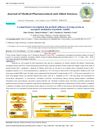
 Orange pectin boosts probiotic growth, especially L. acidophilus.
 April 2024 in “Cell death and differentiation”
 Cell death shapes skin stem cell environments, affecting inflammation, repair, and cancer.

Minoxidil and nebivolol can help prevent aortic aging in diabetic mice.
 April 2024 in “Dermatovenerologiâ, kosmetologiâ”
 Actinic keratosis is a sun-induced skin condition that can potentially turn into skin cancer and requires various treatments to prevent this.
 April 2024 in “Dermatovenerologiâ, kosmetologiâ”
 Actinic keratosis is a sun-induced skin condition that can potentially turn into skin cancer and requires treatment to prevent malignancy.