 106 citations
,
January 2016 in “Journal of Cosmetic Dermatology”
106 citations
,
January 2016 in “Journal of Cosmetic Dermatology” Using platelet-rich plasma with microneedling works better for acne scars than microneedling with water.
26 citations
,
February 2022 in “Annals of Palliative Medicine” Ultra-pulse CO2 fractional laser improves acne scars with minimal side effects and faster healing.
 16 citations
,
September 2019 in “Aesthetic Plastic Surgery”
16 citations
,
September 2019 in “Aesthetic Plastic Surgery” Platelet-rich plasma therapy helps improve atrophic acne scars.
11 citations
,
January 2022 in “Journal of Healthcare Engineering” The combined treatment is more effective and safer for improving sunken acne scars.
 11 citations
,
September 2013 in “Otolaryngologic Clinics of North America”
11 citations
,
September 2013 in “Otolaryngologic Clinics of North America” The document concludes that improving the appearance of posttraumatic facial scars is possible with careful treatment and realistic expectations.
 7 citations
,
February 2022 in “Frontiers in Medicine”
7 citations
,
February 2022 in “Frontiers in Medicine” Using microneedling with platelet-rich plasma is more effective and just as safe as microneedling alone for treating acne scars.
 7 citations
,
September 2021 in “Dermatology and Therapy”
7 citations
,
September 2021 in “Dermatology and Therapy” Vaccination is crucial for psoriasis patients on immunosuppressive therapy to manage COVID-19 risks.
 6 citations
,
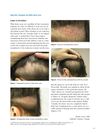
March 2008 in “Dermatologic Surgery”
6 citations
,
March 2008 in “Dermatologic Surgery” Transplanting chest hair into scars can effectively treat wide donor scars from hair restoration surgery.
 6 citations
,
July 2007 in “Plastic and Reconstructive Surgery”
6 citations
,
July 2007 in “Plastic and Reconstructive Surgery” Single-hair transplantation with a Choi hair transplanter effectively hides cleft lip scars in men.
3 citations
,
July 2025 in “Journal of Cosmetic Dermatology” Combining Endo-RF with PRP may improve acne scars better than Endo-RF alone.
3 citations
,
August 2024 in “Journal of Cosmetic Dermatology” Combining laser therapy with hair extraction improves eyebrow scar treatment.
 2 citations
,
January 2022 in “Journal of Cutaneous and Aesthetic Surgery”
2 citations
,
January 2022 in “Journal of Cutaneous and Aesthetic Surgery” Injecting any solution helps acne scars, and ultrasound is useful for checking treatment results.
 1 citations
,
August 2024 in “Journal of Cutaneous and Aesthetic Surgery”
1 citations
,
August 2024 in “Journal of Cutaneous and Aesthetic Surgery” 65% TCA improves acne scars more but has more side effects than 50% GA.
1 citations
,
April 2023 in “The Egyptian Journal of Hospital Medicine” Microneedling with PRP effectively improves atrophic acne scars.
1 citations
,
January 2023 in “The Egyptian Journal of Hospital Medicine” Combining subcision, PRP, and microneedling effectively treats acne scars with minimal side effects.
 1 citations
,
December 2022 in “Archives of Dermatological Research”
1 citations
,
December 2022 in “Archives of Dermatological Research” Fluid Platelet-Rich Fibrin (PRF) is more effective and faster at improving acne scars than Platelet-Rich Plasma (PRP), with similar mild side effects.
 1 citations
,
January 2008
1 citations
,
January 2008 Topical iodine can help regenerate human scar tissue quickly.
 July 2026 in “Lasers in Medical Science”
 Fractional microneedle radiofrequency is effective and safe for skin rejuvenation and acne scars.
January 2026 in “International Journal of Health Science” Human insulin via microinfusion may effectively improve atrophic acne scars.
November 2025 in “Journal of Clinical Medicine” PRP may help reduce scar symptoms like pain and itching after six months.
August 2025 in “مجلة جامعة الحضارة للبحوث التطبيقية والإنسانية” Tissue expansion effectively corrects post-burn and traumatic scars with high patient satisfaction and low complications.
January 2025 in “Dermatologic Therapy” Combining fractional CO2 laser with type III collagen improves acne scar treatment.
 June 2024 in “Advanced functional materials”
 A new wound dressing with electrical stimulation heals wounds quickly and without scars.
 June 2024 in “IP Indian journal of clinical and experimental dermatology”
 PRP therapy effectively treats alopecia areata and atrophic acne scars.
January 2024 in “The Egyptian Journal of Plastic and Reconstructive Surgery” Fat injection is more effective than PRP for improving post-burn facial scars.
 October 2023 in “Skin research and technology”
 The 675 nm laser effectively improved facial acne scars in dark skin with minimal side effects.
 April 2023 in “Authorea (Authorea)”
 Hair transplantation can improve scars after removing a rare skin cancer.
 May 2021 in “Benha Journal of Applied Sciences”
 Platelet-rich plasma injections significantly improved acne scars on treated areas of the face.
 June 2019 in “Asian Journal of Medical Research”
 The dermaroller caused less hyperpigmentation and no itching compared to the fractional CO2 laser.
 February 2019 in “International journal of research in dermatology”
 The combined treatments were highly effective for improving atrophic acne scars.