5 citations
,
May 2025 in “Pharmaceutics” Sericin from silk cocoons could be a promising drug delivery tool, but stability and consistency need improvement.
30 citations
,
November 2024 in “ACS Materials Au” Microneedles are promising for disease monitoring and drug delivery due to their minimal invasiveness and versatility.
61 citations
,
April 2023 in “Bioactive Materials” Microneedles are effective for painless drug delivery and promoting wound healing and tissue regeneration.
26 citations
,
August 2024 in “Frontiers in Bioengineering and Biotechnology” Antimicrobial dressings are promising but need more research to confirm their effectiveness in healing wounds.
1 citations
,
December 2025 in “International Journal of Molecular Sciences” Chitosan-based nanocomposites, especially with polyphenols, show promise for treating chronic wounds.
September 2025 in “Journal of Polymer Science” Functionalized bacterial cellulose can improve medical tissue engineering.
91 citations
,
August 2024 in “Acta Pharmaceutica Sinica B” Microneedles can improve skin disease treatment by delivering drugs directly through the skin.
238 citations
,
December 2022 in “Frontiers in Public Health” Combining ciprofloxacin with other treatments may improve its effectiveness against resistant bacteria.
42 citations
,
June 2021 in “Pharmaceutics” 3D printing can make microneedles for drug delivery faster and cheaper.
8 citations
,
September 2024 in “International Journal of Molecular Sciences” Polymers can be designed to mimic natural cell environments for medical uses.
 8 citations
,
May 2023 in “Gels”
8 citations
,
May 2023 in “Gels” Chitosan hydrogels are promising for repairing blood vessels but need improvements in strength and compatibility.
2 citations
,
October 2025 in “Chinese Medicine” Berberine delivery systems improve wound healing by enhancing bioavailability, reducing inflammation, and promoting tissue regeneration.
 January 2026 in “Nano-Micro Letters”
 4D scaffolds made with melt electrowriting can change shape for use in medicine.
 112 citations
,
November 2023 in “Nano-Micro Letters”
112 citations
,
November 2023 in “Nano-Micro Letters” Nanozymes show promise for effective and safe cancer treatment.
 28 citations
,
September 2020 in “Pharmaceutics”
28 citations
,
September 2020 in “Pharmaceutics” 3D-printed mesoporous scaffolds show promise for personalized drug delivery with controlled release.
 December 2025 in “Journal of Composites and Compounds”
 Composite biomaterials can precisely control immune responses for better disease treatment.
 September 2025 in “Nano Biomedicine and Engineering”
 Nanomedicines could offer better, longer-lasting psoriasis treatments with fewer side effects.
 4 citations
,
November 2022 in “Journal of clinical and translational research”
4 citations
,
November 2022 in “Journal of clinical and translational research” Chitosan-based dressings reduce inflammation and speed up skin wound healing.
 April 2026 in “International Journal of Nanomedicine”
 Quercetin delivery systems are improving its effectiveness for medical use.
 January 2026 in “Frontiers in Materials”
 Metal-organic frameworks help heal wounds by effectively delivering medicine.
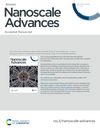 January 2026 in “Nanoscale Advances”
 The nanocomposite effectively targets lung cancer cells without harming normal cells.
 119 citations
,
March 2020 in “Frontiers in Bioengineering and Biotechnology”
119 citations
,
March 2020 in “Frontiers in Bioengineering and Biotechnology” Asia has made significant progress in tissue engineering and regenerative medicine, but wider clinical use requires more development.
 15 citations
,
February 2013 in “Pharmaceutical nanotechnology”
15 citations
,
February 2013 in “Pharmaceutical nanotechnology” Finasteride delivery through skin improved using invasomes and iontophoresis.
 5 citations
,
February 2024 in “Frontiers in bioengineering and biotechnology”
5 citations
,
February 2024 in “Frontiers in bioengineering and biotechnology” Electrospun scaffolds can improve healing in diabetic wounds.
 2 citations
,
January 2024 in “Journal of Pharmacognosy and Phytochemistry”
2 citations
,
January 2024 in “Journal of Pharmacognosy and Phytochemistry” Teak has valuable compounds for medicine, cosmetics, and industry, with potential in cancer treatment and biodiesel production.
 May 2026 in “International Journal of Nanomedicine”
 Nanozymes help heal burn wounds by fighting bacteria, reducing inflammation, and promoting blood vessel growth.
 March 2024 in “International Journal of Drug Delivery Technology”
 Electrospun nanofiber mats are effective drug carriers for improving wound healing.
 262 citations
,
May 2017 in “Nanomedicine”
262 citations
,
May 2017 in “Nanomedicine” New nanofiber technology improves wound healing by supporting cell growth and delivering treatments directly to the wound.
 22 citations
,
November 2018 in “Brazilian Journal of Pharmaceutical Sciences”
22 citations
,
November 2018 in “Brazilian Journal of Pharmaceutical Sciences” New physical methods like electrical currents, ultrasound, and microneedles show promise for improving drug delivery through the skin.
 2 citations
,
June 2025 in “International Journal of Nanomedicine”
2 citations
,
June 2025 in “International Journal of Nanomedicine” New biomaterials can improve wound healing by promoting nerve and tissue regeneration.