1 citations
,
August 2025 in “International Journal of Molecular Sciences” Nutraceutical insulin-sensitizing agents may help treat skin conditions like psoriasis and acne.
1 citations
,
May 2025 in “Current Issues in Molecular Biology” Centipeda minima and brevilin A protect skin cells from damage and aging.
 April 2023 in “Journal of Investigative Dermatology”
 Treprostinil, a drug, can delay wound healing in healthy cells but doesn't affect diabetic foot ulcer cells, suggesting further research could help understand its role in treating these ulcers.
 12 citations
,
August 2019 in “Dermatitis”
12 citations
,
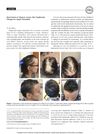
August 2019 in “Dermatitis” Dupilumab for skin problems might reactivate hair loss in some patients.
 November 2017 in “British Journal of Dermatology”
 Organ transplant recipients have a higher risk of skin cancer over time, atopic dermatitis skin shows unusual bacterial and fungal patterns, a new tool for measuring hidradenitis suppurativa severity was created, and gene expression changes in male baldness suggest new treatments.
34 citations
,
January 2022 in “Frontiers in Immunology” IL-25 helps heal diabetic wounds by improving blood vessel and skin cell functions.
 May 2025 in “Experimental Dermatology”
 Triphenylphosphine oxide can increase oil production and reduce inflammation in skin cells without affecting TRPM5.
August 2023 in “Journal of Investigative Dermatology” Senescent melanocytes in nevus skin boost hair growth.
 168 citations
,
August 2009 in “EMBO molecular medicine”
168 citations
,
August 2009 in “EMBO molecular medicine” Epidermal stem cells are diverse and vary in activity, playing key roles in skin maintenance and repair.
26 citations
,
June 2024 in “Frontiers in Immunology” SOCS1 and SOCS3 help control skin inflammation and are important for developing treatments for skin diseases.
14 citations
,
January 2019 in “Advances in experimental medicine and biology” Skin stem cells are promising for healing wounds and skin regeneration due to their accessibility and regenerative abilities.
7 citations
,
January 2020 in “The journal of investigative dermatology/Journal of investigative dermatology” NIPP1 is important for healthy skin and could help treat skin inflammation.
April 2019 in “Journal of Investigative Dermatology” Y27632 increases cell growth through EGFR signaling, not ROCK1/2.
 66 citations
,
March 2019 in “Cellular and Molecular Life Sciences”
66 citations
,
March 2019 in “Cellular and Molecular Life Sciences” Melanocyte development from neural crest cells is complex and influenced by many factors, and better understanding could help treat skin disorders.
 June 2026 in “Preprints.org”
 Atorvastatin in a keratin hydrogel may help treat skin scars effectively.
 March 2026 in “Wiadomości Lekarskie”
 Psychological stress speeds up skin aging.
 July 2016 in “Journal of Investigative Dermatology”
 R-spondin2 may help treat hair loss, gene differences could explain baldness, a peptide's regulation is linked to psoriasis, B-defensin gene copies may affect a skin condition's risk and severity, and potential markers and targets for alopecia areata were identified.
7 citations
,
July 2024 in “Current Issues in Molecular Biology” Understanding skin stem cells and their regulation is key to improving skin healing and treating disorders.
169 citations
,
January 2018 in “Cell Reports” Scientists grew hair follicles from mouse stem cells in a lab setting.
56 citations
,
November 2022 in “Biomolecules” Targeting macrophages may improve wound healing.
33 citations
,
August 2008 in “American Journal Of Pathology” Hedgehog signaling is essential for normal sebaceous gland development and affects keratin 6a expression.
 24 citations
,
December 2018 in “Life sciences”
24 citations
,
December 2018 in “Life sciences” Lysophosphatidic acid is important for skin health and disease, and could be a target for new skin disorder treatments.
23 citations
,
January 2025 in “Annals of Dermatology” Air pollution harms skin health, causing aging, inflammation, and cancer risk.
19 citations
,
August 2024 in “Journal of Translational Medicine” Epidermal stem cells are vital for skin healing and have potential for treating skin disorders.
 5 citations
,
October 2024 in “International Journal of Molecular Sciences”
5 citations
,
October 2024 in “International Journal of Molecular Sciences” Piperonylic acid may help hair growth and treat hair loss.
1 citations
,
January 2024 in “Journal of Cosmetic Dermatology” Jawoongo soap improves skin moisture, elasticity, and cleanliness safely.
Kombucha tea extract may protect skin from damage in hot and humid conditions.
April 2026 in “Journal of Investigative Dermatology” ZNF750 helps keep hair follicles healthy and prevents skin inflammation.
 July 2025 in “Advanced Science”
 Collagen VI and Semaphorin 3C are important for hair pigmentation and could help treat pigmentation disorders.
 April 2025 in “Drug Design Development and Therapy”
 Jiawei Erzhiwan helps hair growth in androgenetic alopecia by affecting specific cell pathways.