 3 citations
,
February 2014 in “Atlas of the Oral and Maxillofacial Surgery Clinics”
3 citations
,
February 2014 in “Atlas of the Oral and Maxillofacial Surgery Clinics” New facelift techniques lead to less scarring and faster recovery, with high patient satisfaction after 4 years.
 1 citations
,
January 2014 in “Health Renaissance”
1 citations
,
January 2014 in “Health Renaissance” Pseudopelade of Brocq is hard to diagnose and treat, with limited effective options.
182 citations
,
November 2018 in “Cosmetics” Seaweeds have beneficial compounds for skin care, including anti-aging and protective effects.
138 citations
,
June 2023 in “Molecules” Skin pigmentation varies due to genetics, UV exposure, and drugs, with treatments available but requiring medical advice.
 135 citations
,
December 2015 in “Expert Opinion on Biological Therapy”
135 citations
,
December 2015 in “Expert Opinion on Biological Therapy” Exosomes could potentially enhance tissue repair and regeneration with lower rejection risk and easier production than live cell therapies.
122 citations
,
December 2022 in “International Journal of Molecular Sciences” Nanoparticles improve skin treatment but need more research on safety and effectiveness.
 60 citations
,
May 2015 in “Archives of dermatological research”
60 citations
,
May 2015 in “Archives of dermatological research” PPAR agonists show promise for skin conditions but need more research before being a main treatment.
 60 citations
,
January 2014 in “Anais Brasileiros De Dermatologia”
60 citations
,
January 2014 in “Anais Brasileiros De Dermatologia” Nanotechnology in dermatology shows promise for better drug delivery and treatment effectiveness but requires more safety research.
 49 citations
,
June 2009 in “Seminars in Cutaneous Medicine and Surgery”
49 citations
,
June 2009 in “Seminars in Cutaneous Medicine and Surgery” The cosmetic industry should adapt to the varied beauty standards of ethnic groups and offer specialized treatments.
 39 citations
,
June 2017 in “Journal of Applied Research on Medicinal and Aromatic Plants”
39 citations
,
June 2017 in “Journal of Applied Research on Medicinal and Aromatic Plants” Plant-based ingredients are effective and safe for modern skincare products.
32 citations
,
May 2023 in “Preprints.org” Skin pigmentation varies due to genetics, UV exposure, and medications, with treatments available but requiring medical advice.
 30 citations
,
October 2015 in “Journal of Ethnopharmacology”
30 citations
,
October 2015 in “Journal of Ethnopharmacology” Herbal compounds like ricinoleic acid, quercetin-3-O-rutinoside, and hinokiflavone may be safe and effective for treating hair loss.
 28 citations
,
December 2012 in “The American Journal of Cosmetic Surgery”
28 citations
,
December 2012 in “The American Journal of Cosmetic Surgery” Proteins from stem cells improved hair growth in patients with hair loss.
 26 citations
,
May 2021 in “International Journal of Molecular Sciences”
26 citations
,
May 2021 in “International Journal of Molecular Sciences” Cheonggukjang may help prevent and manage various diseases and improve overall health, but its odor and safety concerns need addressing.
 25 citations
,
January 2013 in “Journal of Industrial and Engineering Chemistry”
25 citations
,
January 2013 in “Journal of Industrial and Engineering Chemistry” Some herbal extracts, especially when used in cubosomal suspensions, were as effective as Minoxidil in promoting hair growth.
 17 citations
,
February 2015 in “Phytochemistry Reviews”
17 citations
,
February 2015 in “Phytochemistry Reviews” Southeast Asian herbs show promise for skin and hair care, but more research is needed to confirm their effectiveness in cosmetics.
 15 citations
,
February 2015 in “Han-gug chugsan sigpum hag-hoeji/Korean journal for food science of animal resources”
15 citations
,
February 2015 in “Han-gug chugsan sigpum hag-hoeji/Korean journal for food science of animal resources” Egg shell membrane hydrolysates can reduce wrinkles and improve skin health.
 14 citations
,
January 2016 in “Elsevier eBooks”
14 citations
,
January 2016 in “Elsevier eBooks” Liposomes improve the delivery and effectiveness of cosmetic ingredients but face challenges like cost and stability.
 13 citations
,
October 2012 in “InTech eBooks”
13 citations
,
October 2012 in “InTech eBooks” Nanocarriers could improve how drugs are delivered through the skin but require more research to overcome challenges and ensure safety.
 11 citations
,
January 2023 in “BioMed Research International”
11 citations
,
January 2023 in “BioMed Research International” Microbial biosurfactants could be a safer and environmentally friendly alternative to chemical surfactants in cosmetics.
 10 citations
,
October 2015 in “Medicina Clínica (english Edition)”
10 citations
,
October 2015 in “Medicina Clínica (english Edition)” Recombinant human epidermal growth factor is versatile, effective, and safe for long-term skin and mucosal treatments.
10 citations
,
June 2011 in “PubMed” Most skin care products are safe during pregnancy, but avoid hydroquinone and tretinoin.
 6 citations
,
September 2022 in “Frontiers in pharmacology”
6 citations
,
September 2022 in “Frontiers in pharmacology” Epimedium extract helps increase skin pigmentation and could be a new treatment for conditions with reduced pigmentation.
1 citations
,
October 2025 in “Beni-Suef University Journal of Basic and Applied Sciences” Lipid-based nanocosmeceuticals improve skin therapy by enhancing ingredient delivery and effectiveness for anti-aging and skin disorders.
 May 2026 in “Commagene Journal of Biology”
 Anti-aging peptides can improve skin appearance but need better delivery methods and more research.
 May 2026 in “Applied Sciences”
 Sprout extracts may improve skin and hair health.
 April 2026 in “Journal of Pharmaceutical Innovation”
 Curcumin nanocrystal gel improves skin absorption and is safe and effective for topical use.
 January 2026 in “Frontiers in Natural Products”
 Combining shikimic acid and Prunus mume extract may effectively treat acne naturally.
November 2025 in “Plant Science Today” Natural anti-aging products from plants may help improve skin health.
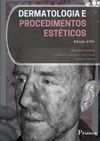 October 2025 in “Editora Pasteur eBooks”
 Peptides improve skin health and treatments for hair loss and pregnancy-related skin issues are evolving.