 1 citations
,
December 1997 in “Journal of The European Academy of Dermatology and Venereology”
1 citations
,
December 1997 in “Journal of The European Academy of Dermatology and Venereology” All women with significant unwanted hair growth have hormonal imbalances, often from polycystic ovary syndrome.
 1 citations
,
July 1965 in “Postgraduate medicine”
1 citations
,
July 1965 in “Postgraduate medicine” Most skin conditions can be managed with general medical knowledge.
 April 2026 in “International Journal of Impotence Research”
 Anabolic steroid abuse can cause sexual, fertility, and health problems.
 April 2026 in “Research Square”
 UK postgraduate health students have limited understanding of alopecia, with many misconceptions, highlighting the need for better awareness.
 March 2026 in “Journal of Clinical and Basic Psychosomatics”
 Tianmeng oral liquid may help with insomnia, anxiety, and depression.
 March 2026 in “Health Psychology Report”
 Self-compassion can help reduce body shame and psychological distress in people with alopecia and psoriasis.
 March 2026 in “Saudi Journal of Pathology and Microbiology”
 Personalized genomic interventions can effectively manage chronic hair loss.
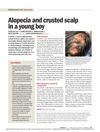 March 2026 in “Open MIND”
 Early treatment of scalp infections can prevent permanent hair loss.
 February 2026 in “International Journal of Advanced Research in Science Communication and Technology”
 Herbal anti-dandruff shampoos can be as effective as synthetic ones, with fewer side effects.
 February 2026 in “Clinical Cosmetic and Investigational Dermatology”
 Alopecia areata cases in children are rising, especially in females and low-income regions, with a projected increase in China and decrease in the USA.
 January 2026 in “Scientific Reports”
 Spiritual well-being improves quality of life for Palestinian women with breast cancer.
Including ineffective or unsafe doses in reviews can lead to misleading conclusions about alopecia areata treatments.
 January 2026 in “International Journal of Science and Research (IJSR)”
 Unani medicine and modern dermatology both offer treatments for ichthyosis, a condition causing dry, scaly skin.
 January 2026 in “Dermatology and Therapy”
 Poor sleep may lead to hair loss, and hair loss may affect sleep.
 January 2026 in “Clinical Cosmetic and Investigational Dermatology”
 Stressful life events may trigger alopecia areata.
 January 2026 in “Annals of Dermatology”
 Many dermatology patients experienced anxiety, depression, PTSD, and skin issues after the February 6, 2023 earthquakes, highlighting the need for combined skin and mental health care.
 January 2026 in “International Journal of Research and Innovation in Applied Science”
 Ayurvedic treatment may help manage alopecia areata.
 December 2025 in “IP Indian Journal of Clinical and Experimental Dermatology”
 Androgenetic alopecia treatments are becoming more personalized and include new therapies like topical antiandrogens and regenerative strategies.
 December 2025 in “Insights-Journal of Health and Rehabilitation”
 PCOS significantly harms married women's quality of life, affecting mental health, fertility, and body image.
 December 2025 in “Reports of Vinnytsia National Medical University”
 Alopecia areata affects life quality differently based on its severity.

Healthcare providers should know how to manage facial hair issues in women due to their social impact.
Machine learning can accurately predict Polycystic Ovary Syndrome in women using clinical features.
 November 2025 in “Journal of Disease and Public Health”
 Post-COVID-19 syndrome is complex, affects 5%-10% of people, and requires better research and global collaboration for treatment.
 November 2025 in “Frontiers in Endocrinology”
 Apigenin and ellagic acid may help manage PCOS symptoms.

Spiritual well-being is crucial for improving quality of life in women with breast cancer.
 October 2025 in “Pakistan journal of urology.”
 Personalized, minimally invasive treatments improve urology outcomes.

Combining psychodermatology and PRP therapy can improve skin condition treatment by addressing both mental and physical health.
Menopause is a clear hormonal transition in women, while men experience a gradual testosterone decline, with some needing lifestyle changes and targeted therapy.
 September 2025 in “Asian Journal of Neurosurgery”
 Minimizing hair shaving before brain tumor surgery can improve self-esteem.
 September 2025 in “Clinical Cosmetic and Investigational Dermatology”
 Moderate exercise improves skin health, but intense exercise without protection can harm it.