 June 2026 in “International Journal of Bioprinting”
 3D bioprinting shows promise for skin regeneration but needs more development to fully replicate natural skin.
 June 2026 in “Lasers in Medical Science”
 Diode laser is more effective but more painful than intense pulsed light for hair removal.
 June 2026 in “Dermatology and Therapy”
 Combining multiple ingredients is the most effective treatment for hyperpigmentation.
 June 2026 in “Frontiers in Aging”
 Homeodynamic Rejuvenation aims to improve skin's stress management and recovery to combat aging.
 June 2026 in “GSC Advanced Research and Reviews”
 Jojoba oil is beneficial for skin, hair, and health but has economic challenges for large-scale farming.
 June 2026 in “Frontiers in Cell and Developmental Biology”
 Dermal papilla cells are key to fine wool growth in sheep.
 June 2026 in “International Journal of Homoeopathic Sciences”
 Personalized homeopathic treatment improved chronic facial melasma and skin texture.
 May 2026 in “Scientific and Technical Bulletin оf State Scientific Research Control Institute of Veterinary Medical Products and Fodder Additives аnd Institute of Animal Biology”
 Zinc carbonate nanoparticles are not irritating or absorbed by the skin.
 April 2026 in “Frontiers in Pharmacology”
 Erzhi Pill shows promise for health issues but needs better quality control and clearer usage guidelines.
 April 2026 in “International Journal of Pharmacy and Pharmaceutical Science”
 Rosemary may help brain health and reduce inflammation.
 April 2026 in “International Journal of Nanomedicine”
 Quercetin delivery systems are improving its effectiveness for medical use.
 March 2026 in “Frontiers in Pharmacology”
 Taxifolin, found in onions and milk thistle, has health benefits but needs more research for safe use.
 March 2026 in “BioScience Trends”
 UV radiation causes skin aging by damaging cells and triggering harmful processes.
 February 2026 in “BMC Plastic and Reconstructive Surgery”
 Induced pluripotent stem cells could improve chronic wound healing but face safety and effectiveness challenges.
 February 2026 in “Bioimpacts”
 3D bioprinted hydrogels could improve diabetic wound healing but face challenges like limited blood supply and scalability.
 February 2026 in “American Journal of Clinical Dermatology”
 Radiotherapy can cause skin fibrosis, which is often overlooked and needs better treatment and evaluation.

The new microneedle system improves hair growth in alopecia treatment.
 February 2026 in “Frontiers in Bioengineering and Biotechnology”
 Liposome-based systems improve skin wound healing effectively.
 January 2026 in “Saudi Journal of Medical and Pharmaceutical Sciences”
 Gel D shows promise as a natural hair care solution for traction alopecia.
 January 2026 in “Food Science and Human Wellness”
 Krill oil may help reduce prostate enlargement and growth.
 January 2026 in “The Eurasian Journal of Life Sciences”
 Pectin nanofibers show promise for medical use due to their unique properties.
 January 2026 in “Nature Communications”
 A wearable device using NIR light may help treat hair loss non-invasively.
 January 2026 in “Supportive Care in Cancer”
 New cooling caps can help prevent hair loss from chemotherapy in a cost-effective and eco-friendly way.
 January 2026 in “Biomaterials Science”
 The formulation helps improve wound healing and skin repair.
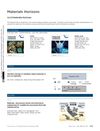 January 2026 in “Materials Horizons”
  January 2026 in “Biomedical and Biopharmaceutical Research”
 Pequi and buriti oils improve curly hair's gloss and strength.
 December 2025 in “International Journal of Research in Ayurveda and Pharmacy”
 Ayurvedic treatment successfully regrew hair in a 19-year-old with alopecia areata in 2 months.

Autologous platelet concentrates help heal and regenerate dental tissues.
 December 2025 in “Al-Iraqia Medical College Journal”
 Virus infection risk is linked to heat tolerance and size, but decreases with high humidity and mutation rate.

Healthcare providers should know how to manage facial hair issues in women due to their social impact.