44 citations
,
April 2023 in “Genes & Diseases” Mesenchymal stem cells release substances that help tissue repair, and their effectiveness can be improved by understanding environmental influences.
 31 citations
,
August 2021 in “Stem Cell Research & Therapy”
31 citations
,
August 2021 in “Stem Cell Research & Therapy” The conclusion is that understanding how hair follicle stem cells live or die is important for maintaining healthy tissue and repairing injuries, and could help treat hair loss, but there are still challenges to overcome.
26 citations
,
September 2023 in “Journal of Allergy and Clinical Immunology” Regulatory T cells help prevent autoimmunity and have potential for treating autoimmune diseases.
 25 citations
,
April 2021 in “The EMBO Journal”
25 citations
,
April 2021 in “The EMBO Journal” Hair follicle stem cells help maintain skin health and could improve skin replacement therapies.
21 citations
,
January 2023 in “International Journal of Molecular Sciences” S100A6 protein is linked to disease progression, especially in cancers.
 20 citations
,
August 2022 in “Frontiers in Immunology”
20 citations
,
August 2022 in “Frontiers in Immunology” Fibroblasts are important in healing diabetic wounds, but high sugar levels can harm their function and slow down the healing process.
20 citations
,
April 2022 in “Frontiers in Bioengineering and Biotechnology” Regenerative medicine in Malaysia shows promise for treating diseases but faces ethical and safety challenges.
14 citations
,
July 2022 in “Applied Sciences” Extracellular vesicles can help repair and regenerate tissues with less risk of rejection.
13 citations
,
December 2017 in “Stem cells” Low-dose radiation affects hair stem cell function and survival by changing their genetic material's structure.
 11 citations
,
August 2023 in “Burns”
11 citations
,
August 2023 in “Burns” Nerve growth factor helps improve healing time and scar quality in burn wounds.
10 citations
,
June 2021 in “EMBO reports” When skin blisters, healing the wound is more important than growing hair, and certain stem cells mainly fix the blisters without helping hair growth.
10 citations
,
January 2013 in “Regenerative Medicine Research” Rejuvenating self-repair mechanisms could improve organ recovery in regenerative medicine.
8 citations
,
January 2025 in “Cell Transplantation” MSC-derived EVs show promise for therapy, but production and understanding need improvement.
5 citations
,
February 2022 in “Stem cell reports” Thymic stromal lymphopoietin (TSLP) promotes hair growth, especially after skin injury.
5 citations
,
February 2019 in “Neuroscience letters” Hormones during puberty increase certain receptors in the brain, and this change is influenced by estrogen levels.
3 citations
,
January 2022 in “Journal of neuroendocrinology” Sex hormones affect brain cells differently in males and females.
2 citations
,
December 2025 in “Nano Letters” The new dressing speeds up wound healing by fighting bacteria and boosting natural electric fields.
 2 citations
,
September 2022 in “Frontiers in Immunology”
2 citations
,
September 2022 in “Frontiers in Immunology” T-regulatory cells are important for skin health and can affect hair growth and reduce skin inflammation.
2 citations
,
December 2020 in “Developmental cell” Chemotherapy drugs can cause abnormal growth and changes in healthy skin and gland cells.
 March 2026 in “International Journal of Molecular Sciences”
 A temporary capillary cell type helps skin repair after radiation by promoting blood vessel growth.
 February 2026 in “Frontiers in Microbiology”
 Skin bacteria help heal wounds and restore healthy skin.
3D culture better preserves sweat gland cell identity than 2D culture.
October 2025 in “Burns & Trauma” Engineered probiotics can help heal wounds faster, especially in diabetic foot ulcers.
 December 2024 in “International Journal of Molecular Sciences”
 Human umbilical cord stem cell vesicles may help treat aging and related diseases.
 April 2024 in “Military Medical Research/Military medical research”
 Cellular and immunotherapies show promise for healing chronic wounds but need more research.
 April 2024 in “Journal of translational medicine”
 Melanocytes are important for normal body functions and have potential uses in regenerative medicine and disease treatment.
 November 2023 in “International Journal of Medical Sciences”
 New regenerative medicine-based therapies for hair loss look promising but need more clinical validation.
 October 2023 in “Biomaterials”
 Nanotechnology could improve hair regrowth but faces challenges like complexity and safety concerns.
 August 2023 in “International Journal of Nanomedicine”
 A new wound healing treatment using a graphene-based material with white light speeds up healing and reduces infection and scarring.
 July 2023 in “Stem Cells Translational Medicine”
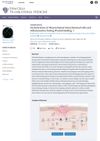
 Mesenchymal Stem/Stromal Cells (MSCs) help in wound healing and tissue regeneration, but can also contribute to tumor growth. They show promise in treating chronic wounds and certain burns, but their full healing mechanisms and potential challenges need further exploration.