14 citations
,
April 2017 in “Dermatology practical & conceptual” Yellow dots are common in severe alopecia areata.
5 citations
,
July 1999 in “Journal of Anatomy” Methylene blue staining effectively highlights detailed nerve structures in rat fur.
 44 citations
,
February 2015 in “Journal of the American Academy of Dermatology”
44 citations
,
February 2015 in “Journal of the American Academy of Dermatology” Combining diphenylcyclopropenone with anthralin is more effective for hair regrowth in alopecia areata than using diphenylcyclopropenone alone, but may cause more side effects.
 1 citations
,
July 2017 in “International Journal of Advanced Research”
1 citations
,
July 2017 in “International Journal of Advanced Research” Tridax procumbens L. has compounds that can fight fungi.
 November 2025 in “International Journal of Research in Medical Sciences”
 Unani medicine may help treat a rare, hard-to-treat hair loss pattern in children.
3 citations
,
April 2024 in “JAAD Case Reports” DPCP may be safe for treating alopecia during pregnancy, but more research is needed.
1 citations
,
November 2014 in “Actas dermo-sifiliográficas/Actas dermo-sifiliográficas” 19 citations
,
August 1996 in “British Journal of Dermatology” Alopecia areata affects hair follicle structure, even in non-balding areas.
 September 2025 in “Media Kedokteran Hewan”
 90% of African pygmy hedgehogs in the study had fungal infections.
3 citations
,
July 2023 in “International Journal of Trichology” DPCP can help regrow hair in some people with severe alopecia.
 6 citations
,
January 2000 in “Dermatology”
6 citations
,
January 2000 in “Dermatology” A girl's severely tangled hair couldn't be fixed and had to be cut due to a rare condition called plica neuropathica.
 January 2012 in “The Year book of dermatology”
 Many treatments for alopecia areata have inconsistent results; for under 10s, use minoxidil with a corticosteroid, and for over 10s, add ILC and consider diphenylcyclopropenone for widespread cases.

Finasteride harms Daphnia magna's reproduction and metabolism.
 March 2026 in “Journal of Hunan University Natural Sciences”
 Albizia saponaria stem bark shows promise as a natural antidandruff treatment.
August 2022 in “Actas Dermo-Sifiliográficas” Marine sponges from Tabuhan Island can inhibit enzymes linked to Alzheimer's and hair loss.
 2 citations
,
April 2023 in “Pharmaceuticals”
2 citations
,
April 2023 in “Pharmaceuticals” Scopolin and scopoletin from Merremia peltata leaves may help treat hair loss and showed promising results in rabbit tests.
14 citations
,
August 2014 in “Journal of the American Academy of Dermatology” Diphenylcyclopropenone (DPCP) is effective in treating alopecia areata, with most patients showing significant hair regrowth.
 4 citations
,
January 2017 in “Annals of Dermatology”
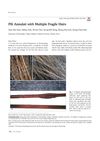
4 citations
,
January 2017 in “Annals of Dermatology” Frequent hairdryer use may worsen hair fragility in people with Pili Annulati.
2 citations
,
November 2009 in “DSpace (Federal University of Santa Catarina)” Brunfelsia uniflora has good antioxidant properties and moderate antibacterial activity.
January 2023 in “Rasayan journal of chemistry/Rasayan journal of Chemistry” Methyl pyropheophorbide A from Sansevieria trifasciata leaves may help treat hair loss.
87 citations
,
August 1974 in “Journal of Investigative Dermatology”  September 2025 in “Cureus”
 Plica neuropathica can occur with diffuse alopecia and should be considered in diagnosis.
 6 citations
,
March 2014 in “Annals of Pharmacotherapy”
6 citations
,
March 2014 in “Annals of Pharmacotherapy” A woman's hair loss was probably caused by the antifungal drug anidulafungin.
July 2025 in “Journal of Investigative Dermatology” Candida auris uses the immune response to colonize hair follicles.
 January 2025 in “Dermatology Practical & Conceptual”
 Perinevoid alopecia can be effectively treated with non-invasive corticosteroids.
 6 citations
,
December 2018 in “The American Journal of Dermatopathology”
6 citations
,
December 2018 in “The American Journal of Dermatopathology” Early shedding of the inner root sheath in noninflamed hair follicles is a relatively specific sign of Central Centrifugal Cicatricial Alopecia.
 4 citations
,
January 2018 in “JEADV. Journal of the European Academy of Dermatology and Venereology/Journal of the European Academy of Dermatology and Venereology”
4 citations
,
January 2018 in “JEADV. Journal of the European Academy of Dermatology and Venereology/Journal of the European Academy of Dermatology and Venereology” Panitumumab can cause excessive ear hair growth.
 January 2017 in “Cogent Medicine”
 Extracts improve hair growth in alopecia.
4 citations
,
November 2016 in “The Journal of Dermatology” Pili torti hair is fragile due to loose keratin filaments and weak disulfide bonds.