 May 2026 in “Frontiers in Cell and Developmental Biology”
 Hair follicle organoids can help study hair biology and disorders but need improvements for wider use.
 February 2026 in “Frontiers in Medical Technology”
 Keratinocyte stem cells are crucial for skin renewal and have potential in wound healing and tissue regeneration.
 December 2025 in “GeroScience”
 Genetics, epigenetics, and lifestyle all influence facial skin aging.
 June 2021 in “International Journal of Research in Medical Sciences & Technology”
 Hair loss has many causes and needs specific treatments.
 1 citations
,
January 2026
1 citations
,
January 2026 Use personalized cosmeceuticals for safe, effective hair and scalp treatment.
August 2025 in “Nanomaterials” Tea polyphenol–zinc helps protect the liver and intestines from oxidative stress.
 2 citations
,
August 2023 in “Marine drugs”
2 citations
,
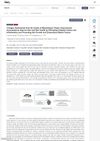
August 2023 in “Marine drugs” Collagen from tilapia scales may improve hair and skin health by reducing stress and inflammation and encouraging hair growth.
22 citations
,
July 2015 in “PloS one” Foxp1 helps control hair stem cell growth and response to stress during hair growth cycles.
2 citations
,
June 2025 in “Cosmetics” Rosehip oil reduces wrinkles and UV spots and may have antimicrobial benefits.
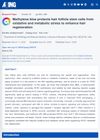
Methylene blue helps hair growth by protecting hair stem cells from stress.
November 2025 in “Advanced Healthcare Materials” Bioprinting is improving skin models for better testing of skin diseases without using animals.
Different types of skin cells and immune cells play a role in healing UV-damaged skin, with chronic UV exposure causing lasting damage to certain skin cells.
Different types of sun exposure can damage skin cells and affect healing, with chronic exposure being more harmful, and certain immune cells help in the repair process.
March 2021 in “Cell stem cell” Skin cell behavior is influenced by the tightness of nearby cells, affecting their growth and development.
 3 citations
,
January 2021
3 citations
,
January 2021 Non-surgical treatments like thread lifts, PRP therapy, HIFU, and radiofrequency effectively rejuvenate and tighten facial skin.
88 citations
,
August 2014 in “PLOS genetics” Syndecan-1 is essential for maintaining skin fat and preventing cold stress.
36 citations
,
May 2025 in “Antioxidants” Lipid peroxidation worsens skin diseases but may help treat cancer.
5 citations
,
October 2017 in “Cellular Reprogramming” Inhibiting HSP90 increases cell adaptability and survival under stress.
81 citations
,
February 2016 in “Veterinary pathology” Progeroid mouse models show signs of early aging similar to humans, helping us understand aging better.
80 citations
,
June 2002 in “Molecular Biology of the Cell” Type II keratins are uniquely phosphorylated during stress and mitosis, affecting their structure and function.
76 citations
,
February 2007 in “Cancer Research” Protein Kinase Cε increases skin sensitivity to UV damage and skin cancer risk.
48 citations
,
September 2020 in “Frontiers in Immunology” Loss of OGG1 increases skin inflammation and auto-antibodies in lupus.
41 citations
,
June 2024 in “Journal of Cellular and Molecular Medicine” Natural antioxidants may help prevent hair loss by reducing oxidative stress.
35 citations
,
January 2006 in “Cancer Research” Mice with extra PKCδ resist chemical-induced skin cancer but not UV-induced.
32 citations
,
August 2024 in “Journal of Investigative Dermatology” In vitro skin models are improving but still need more innovation to fully replicate human skin.
26 citations
,
October 2020 in “Biomedicines” Bioengineered skin models help reduce animal testing and advance research in cosmetics and skin disease.
24 citations
,
January 2022 in “Journal of Nanobiotechnology” Quaternary ammonium iminofullerenes help maize roots grow better under stress by reducing oxidative damage.
19 citations
,
April 2020 in “Oxidative Medicine and Cellular Longevity” Fernblock® helps protect skin cells from pollution and stress, reducing inflammation and damage.
9 citations
,
March 2019 in “Molecular & cellular proteomics” Reductive stress messes up collagen balance and alters cell signaling in human skin cells, which could help treat certain skin diseases.
8 citations
,
January 2019 in “Turkish journal of medical sciences” Ischemic modified albumin could be a new indicator of oxidative stress in people with alopecia areata.